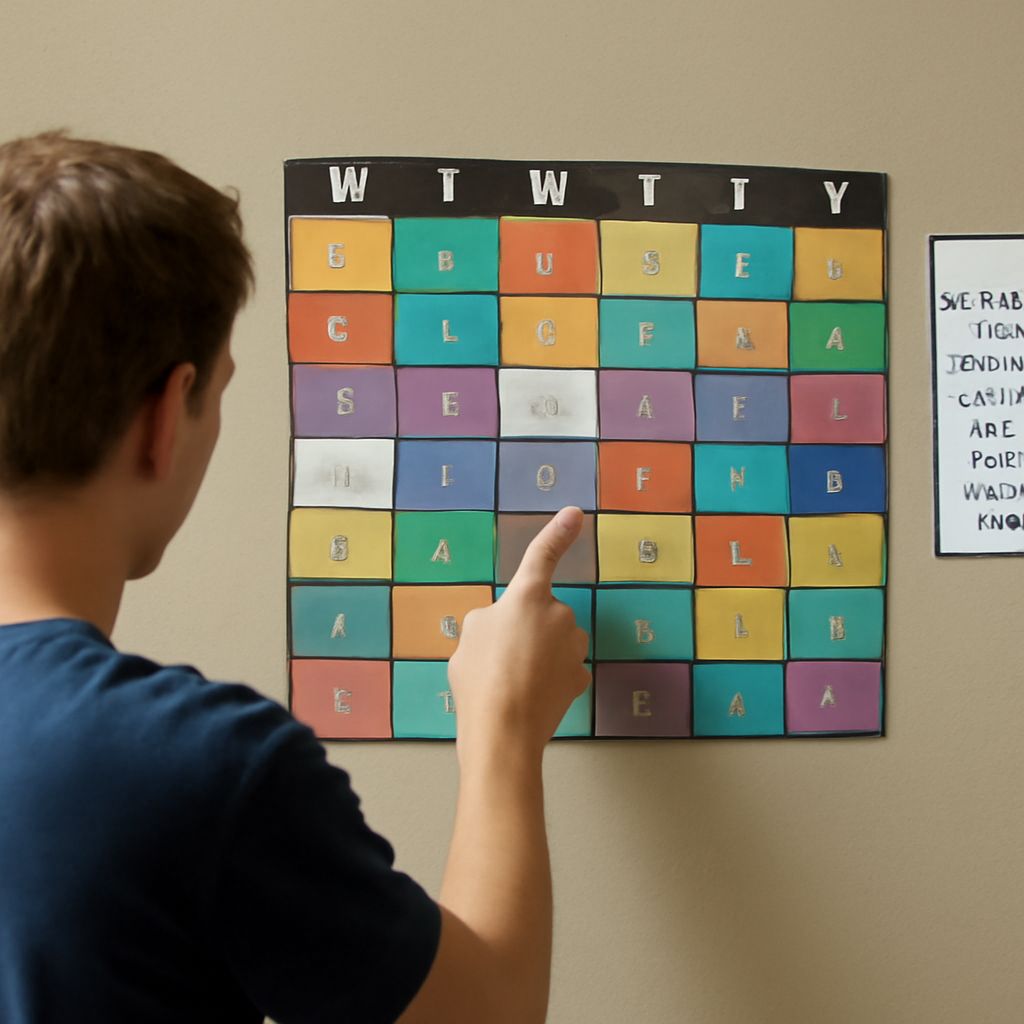
Block scheduling is increasingly adopted by modern educational institutions to redefine classroom time. This guide aims to elaborate on what is block scheduling and its transformative potential in high schools. The block schedule system offers a structured approach, enabling educators to optimize learning experiences for students. By understanding the block schedule thoroughly, educators can effectively integrate this method into their teaching practices, ultimately enhancing student engagement and academic achievement.
What is a block schedule?
A block schedule is an organizational method used in schools to structure the educational day into longer periods, typically ranging from 70 to 90 minutes, compared to traditional shorter class periods. This approach allows for fewer transitions throughout the day, enabling more in-depth exploration of topics within a single class session. By reducing the number of daily classes, the block schedule system facilitates a focused and immersive learning environment where students can engage deeply with the material.
In this scheduling format, students might attend four classes per day rather than the typical six to eight, which allows for extended time dedicated to each subject. Understanding what is block scheduling helps educators design lessons that can include varied teaching methods such as discussions, labs, and collaborative projects. This flexibility is a key aspect of the block schedule system that benefits both students and teachers.
The benefits of block scheduling
Block scheduling offers numerous advantages that significantly enhance the educational experience. One major benefit is the ability for students to delve deeper into subjects, fostering a better understanding and retention of information. Extended class periods provide ample time for interactive and hands-on learning activities, encouraging critical thinking and problem-solving skills.
Another advantage of the block schedule system is the reduction of daily stress associated with moving between multiple classes. Students have the opportunity to focus on fewer subjects each day, which can improve concentration and reduce the cognitive load. This format supports a more relaxed and engaged classroom environment, contributing to a positive educational atmosphere.
Furthermore, block scheduling allows teachers to employ diverse instructional strategies. Longer periods enable educators to integrate multimedia presentations, group work, and individualized learning opportunities, making a dynamic and inclusive classroom setting. Understanding what is block scheduling and its benefits allows schools to tailor teaching methods to meet the varied learning needs of students.
Block scheduling in high schools
High schools are increasingly adopting block scheduling to meet the evolving educational demands of their students. This approach aligns well with the developmental needs of adolescents, providing them with the time required to explore complex concepts and ideas thoroughly. By implementing the block schedule system, high schools can create a more engaging and supportive environment for both academic and personal growth.
The transition to block scheduling in high schools often involves strategic planning and collaboration among faculty and administrative staff. Teachers are encouraged to adapt their instructional methods to suit longer class periods, fostering a more interactive and student-centered learning experience. Understanding what is block scheduling and its application in high schools is crucial for educators aiming to optimize student success.
Challenges of block scheduling
Despite its advantages, block scheduling does present certain challenges that schools must address. One significant challenge is the need for teachers to restructure their lesson plans to fit extended class times. Developing engaging and varied activities for longer periods can be demanding and requires thoughtful preparation.
Another challenge is the potential difficulty in covering the entire curriculum within fewer class sessions. Educators must balance depth with breadth, ensuring that essential topics are adequately addressed. Additionally, some students may struggle with the longer concentration span required by the block schedule system, necessitating supportive strategies to keep them engaged.
Understanding what is block scheduling and the challenges it poses enables schools to plan effectively, offering professional development and resources for teachers to manage these aspects. Schools can also design programs to assist students in adapting to the new schedule format, ensuring a smooth transition for all parties involved.
Implementing block scheduling effectively
To implement block scheduling successfully, schools should focus on comprehensive planning and collaboration among stakeholders. It is essential to educate teachers about what is block scheduling and provide them with the necessary training to adapt their teaching methods. Sharing best practices and resources can help teachers maximize the effectiveness of longer class periods.
Schools should also consider the impact of the block schedule system on students’ overall experience. Regular feedback from students and teachers can provide valuable insights into the effectiveness of the schedule, allowing for adjustments where needed. Encouraging active participation and engagement from students ensures that block scheduling remains beneficial to their learning journey.
Moreover, continuous evaluation of the scheduling format can help identify areas for improvement, ensuring that the block schedule system evolves to meet changing educational needs. Understanding what is block scheduling and implementing it effectively requires a commitment to fostering a supportive and dynamic learning environment for all students.