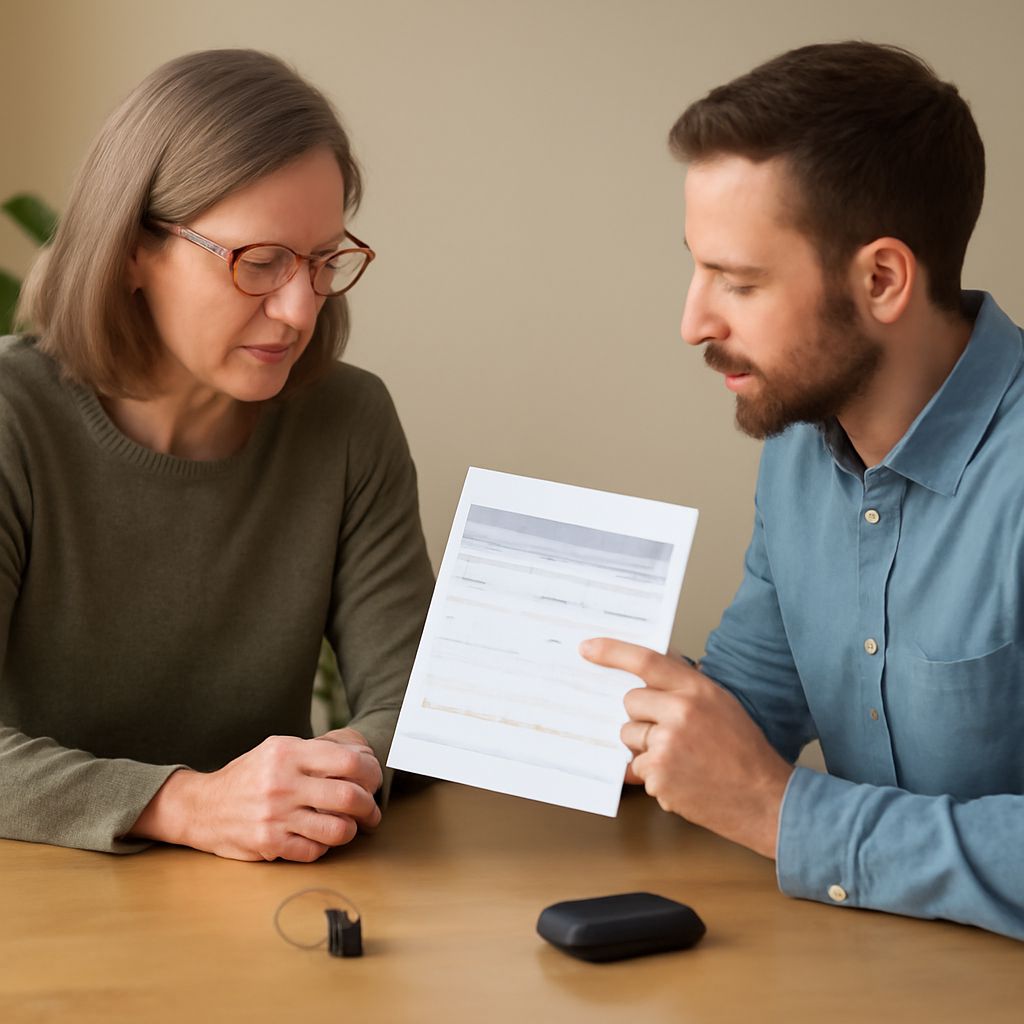
In today’s rapidly evolving audio landscape, assistive listening devices play a crucial role in providing essential hearing assistance for individuals with hearing challenges. These devices have become indispensable in delivering clear sound in various settings, such as theaters and conferences. By integrating seamlessly with common audio systems, they improve the audio experiences for users across the globe. This article explores the different types of assistive listening devices, how they function, and their applications in media settings, while also addressing crucial privacy considerations.
Understanding assistive listening devices
Definition and types
Assistive listening devices are specialized tools designed to improve auditory accessibility for individuals with hearing loss. These devices can include personal amplifiers, FM systems, infrared systems, and induction loop systems. Each type of device serves a unique purpose based on the listening environment and the specific needs of the user. From amplifying sound directly into personal earphones to transmitting audio signals to hearing aids, these devices cater to various requirements.
Key benefits of using assistive listening devices
The primary advantage of assistive listening devices is the enhancement of sound clarity, allowing users to better understand speech and audio in challenging listening environments. These devices reduce background noise and improve the signal-to-noise ratio, making it easier for individuals to participate in conversations and appreciate media content. Furthermore, assisted listening devices provide a customizable audio experience, tailored to the preferences and hearing abilities of each user.
How assisted listening devices work
Technological components
At the heart of assisted listening devices are several technological components that work together to enhance audio clarity. These include microphones, transmitters, and receivers, which capture, send, and deliver audio signals to the user. Some devices also incorporate advanced digital processing technologies to filter out unwanted noise and improve speech intelligibility. This sophisticated technology ensures that users receive the clearest sound possible.
Integration with hearing aids
Many assistive listening devices are designed to seamlessly integrate with hearing aids, enhancing their functionality. By connecting directly with hearing aids, these devices can provide a more direct and personalized audio experience. This integration often involves wireless technology, such as Bluetooth, to facilitate easy pairing and communication between the devices. As a result, users can enjoy a more cohesive and effective hearing assistance experience.
Choosing the right assistive listening device
Factors to consider
When selecting an assistive listening device, several factors should be considered to ensure the best match for the user’s needs. These factors include the device’s compatibility with existing hearing aids, the listening environments where it will be used, and the user’s specific hearing loss profile. Additionally, ease of use, battery life, and cost are important considerations that can influence the decision-making process.
Popular brands and models
Several reputable brands offer a wide range of assistive listening devices, each with its unique features and benefits. Popular models include those from brands such as Phonak, Sennheiser, and Williams Sound, all known for their innovation and reliability in hearing assistance technology. Users should research and compare different models to find the best fit for their individual needs and preferences.
Applications of hearing assistance devices in media settings
Using assistive listening devices in theaters
Theaters are one of the most common venues where hearing assistance devices are employed to enhance the audio experience. Assistive listening devices in theaters allow patrons with hearing difficulties to enjoy performances without missing critical dialogue or sound effects. These systems often include induction loops or FM transmitters, which transmit audio signals directly to personal receivers or hearing aids.
Enhancing audio experiences in conferences
Conferences often present challenging listening environments due to large spaces and multiple speakers. Hearing assistance devices play a crucial role in ensuring that attendees can fully engage with presentations and discussions. By providing clear and direct audio feeds, these devices enable users to participate actively in conference activities, fostering a more inclusive environment for all participants.
Privacy considerations with assisted hearing devices
Data security in assistive listening technology
As assistive listening devices become more technologically advanced, concerns about data security have emerged. Many of these devices now incorporate digital connectivity features that can potentially expose personal data to unauthorized access. Manufacturers must prioritize data security by implementing robust encryption protocols and secure data transmission methods to protect users’ sensitive information.
User privacy and consent
Privacy considerations extend to ensuring that users are fully informed about how their data is collected and used. Consent mechanisms should be transparent and provide users with control over their personal information. It is crucial for companies to adhere to privacy regulations and standards to maintain user trust and protect individual privacy rights while utilizing assistive listening technology.