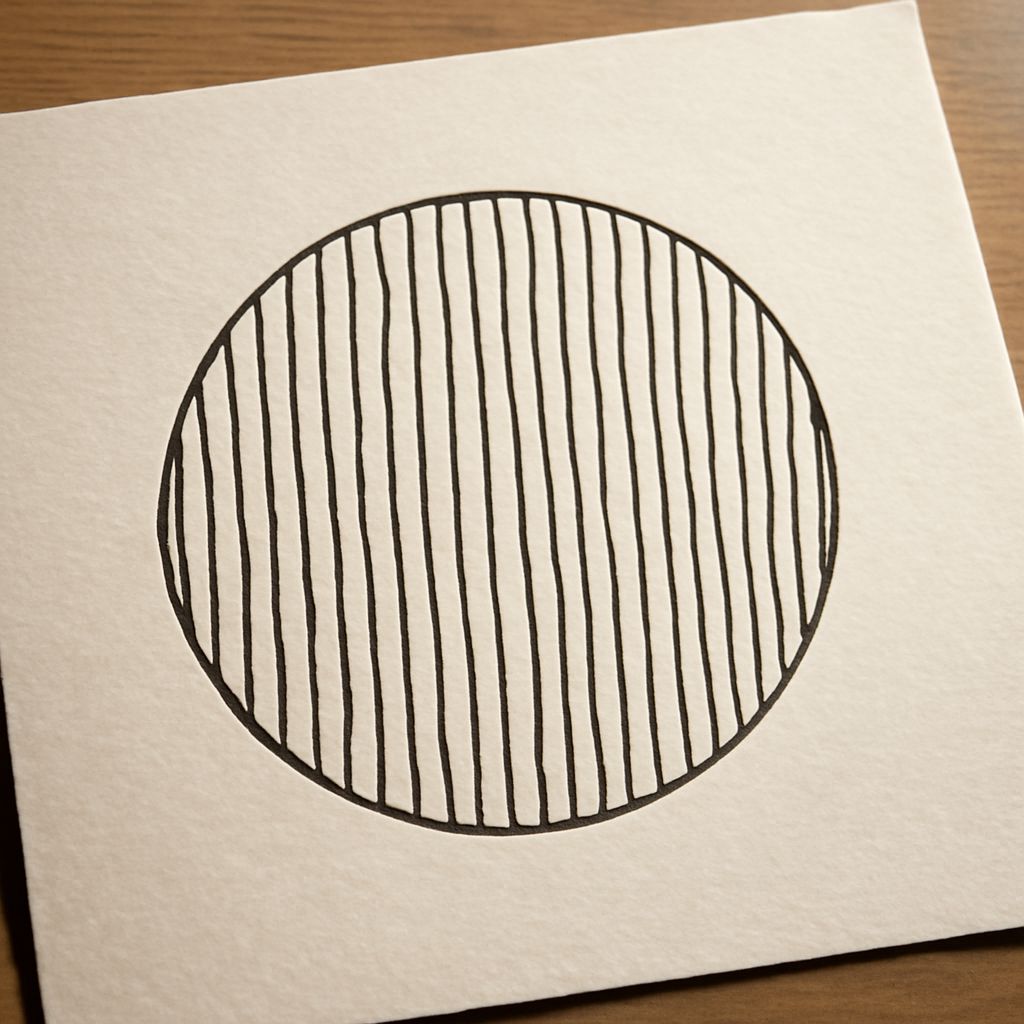
Hatching shading is a fundamental skill that enriches an artist’s ability to create depth, texture, and form. By exploring cross hatch drawing, artists can enhance their artistry with effective and versatile cross hatching techniques. This guide aims to deepen your understanding of hatching art and provide insights into mastering the technique, from basic shading methods to advanced cross hatch art applications.
Understanding hatching art
What is hatching?
Hatching is an artistic technique used to create tonal or shading effects by drawing closely spaced parallel lines. These lines can vary in length, thickness, and spacing, allowing artists to achieve different levels of darkness and texture. Hatching helps define shapes and add depth, making it a crucial component in detailed artworks.
History of hatching in art
The history of hatching in art is rich and varied, with roots tracing back to the Renaissance. Artists like Leonardo da Vinci and Albrecht Dürer employed hatching to give life to their sketches and engravings. Over centuries, the technique has evolved, with cross hatch art becoming a hallmark of intricate detail and precision in various art movements.
The basics of hatching shading
Types of hatching shading
Hatching shading encompasses several techniques, including single hatching, cross hatching, contour hatching, and stippling. Single hatching involves drawing parallel lines in one direction, whereas cross hatching adds a second layer of lines at an angle to the first, enhancing the shading effect. Contour hatching follows the form of the subject, creating a more natural appearance.
Tools for hatching
Artists use various tools for hatching shading, such as pencils, pens, and ink. Each tool offers a unique quality; pencils provide soft, subtle shading, while pens and ink deliver crisp, defined lines. The choice of paper also impacts the final outcome, as smoother surfaces facilitate finer detail, whereas rough textures can add character to the artwork.
Exploring cross hatch drawing
Defining cross hatch drawing
Cross hatch drawing is a sophisticated form of hatching that involves intersecting lines to build layers of shading and texture. This method allows for a nuanced control over shadows and highlights, enhancing the three-dimensionality of the subject. Cross hatching techniques can transform a simple sketch into a dynamic piece of cross hatch art.
Common mistakes to avoid
In cross hatch drawing, artists often encounter pitfalls such as inconsistent line spacing, overworking an area, or lack of directionality in strokes. These mistakes can detract from the overall cohesion of the piece. Artists should practice patience and control, gradually building layers and being mindful of light sources to maintain an effective representation of cross hatching techniques.
Techniques in cross hatch art
Layering techniques
Layering is key in cross hatch art. By gradually adding layers of intersecting lines, artists can build complex textures and subtle gradients. Starting with light strokes and increasing pressure as needed allows for greater control over the shading intensity. Experimenting with different angles and line thicknesses can enrich the artwork’s depth and detail.
Creating texture and depth
Creating texture and depth in cross hatching requires a balance of light and dark areas, achieved through varied line density and direction. Artists can mimic different surfaces and materials by adjusting their cross hatching patterns. Practicing with different subjects helps develop a versatile approach to texture representation in cross hatch art.
Advanced cross hatching techniques
Combining techniques for effect
Advanced cross hatching techniques often involve combining multiple hatching methods to achieve complex visual effects. Artists might integrate contour hatching with cross hatching to enhance the form and volume of a subject. This combination allows for a more dynamic interaction between light and shadow, elevating the artwork’s sophistication.
Practicing with complex subjects
Practicing with complex subjects is essential for mastering advanced cross hatching techniques. Portraits, intricate still lifes, and dynamic compositions challenge the artist’s ability to render detail and emotion. Through consistent practice and experimentation, artists can refine their skills and adapt cross hatching techniques to a variety of artistic contexts.
Practical tips for mastering hatching
Learning through practice
Learning through practice is fundamental to mastering hatching. Artists should allocate time for regular exercises focusing on different hatching patterns and techniques. Progressively tackling more challenging subjects builds confidence and proficiency, enhancing one’s ability to effectively use hatching shading in diverse artistic endeavors.
Incorporating hatching in your style
Incorporating hatching into one’s personal style involves experimenting with various approaches and techniques until a unique expression emerges. Artists should embrace their natural tendencies while remaining open to new methods, allowing hatching and cross hatch art to become integral parts of their creative voice.
Next steps: To continue developing proficiency in hatching and cross hatching, artists should regularly engage in observational drawing exercises, focus on refining their control over line weight and direction, and study artworks that effectively utilize these techniques. Through persistent practice and exploration, artists can enhance their mastery of hatching, enriching their overall artistic skill set.