Balance in art is a fundamental concept that artists have explored for centuries to create visual harmony and appeal. Balance art definition includes various techniques that artists use to distribute visual weight within their compositions. This exploration extends to different types of balance, such as symmetrical, asymmetrical, and radial balance, each contributing uniquely to the overall aesthetic. Through understanding and applying these techniques, artists can achieve a balanced composition that resonates with viewers and enhances the storytelling within their work.
What is balance in art?
Balance in art refers to the distribution of visual elements in a composition to create a sense of equilibrium. This is achieved when no single part of the artwork overpowers another, resulting in a harmonious arrangement. The balance art definition encompasses various approaches, including the use of color, texture, and form, to establish visual stability.
Artists often consider balance as a principle of design that guides the placement of elements within their work. By understanding and applying the balance art definition, creators can ensure that their artworks communicate the intended message effectively and engage the audience visually.
Types of balance in art
Symmetrical balance
Symmetrical balance, often referred to as formal balance, is achieved when elements on either side of a central axis mirror each other. This type of balance often conveys a sense of order and stability. Artists use symmetrical balance to create artworks that exhibit a formal and dignified appearance.
In symmetrical compositions, the visual weight is evenly distributed, making it pleasing to the eye. This method is commonly seen in classical architecture and traditional art forms, where precision and symmetry are paramount.
Asymmetrical balance
Asymmetrical balance offers a more dynamic and interesting approach by using elements of varying sizes, shapes, and colors to create balance. Unlike symmetrical balance, asymmetrical compositions do not mirror each other but achieve harmony through contrast and variety.
Artists engaging in this type of balance often rely on intuition and creativity to arrange elements in a way that feels balanced despite their differences. This approach allows for more movement and can evoke emotions, making it popular in modern artistic practices.
Radial balance
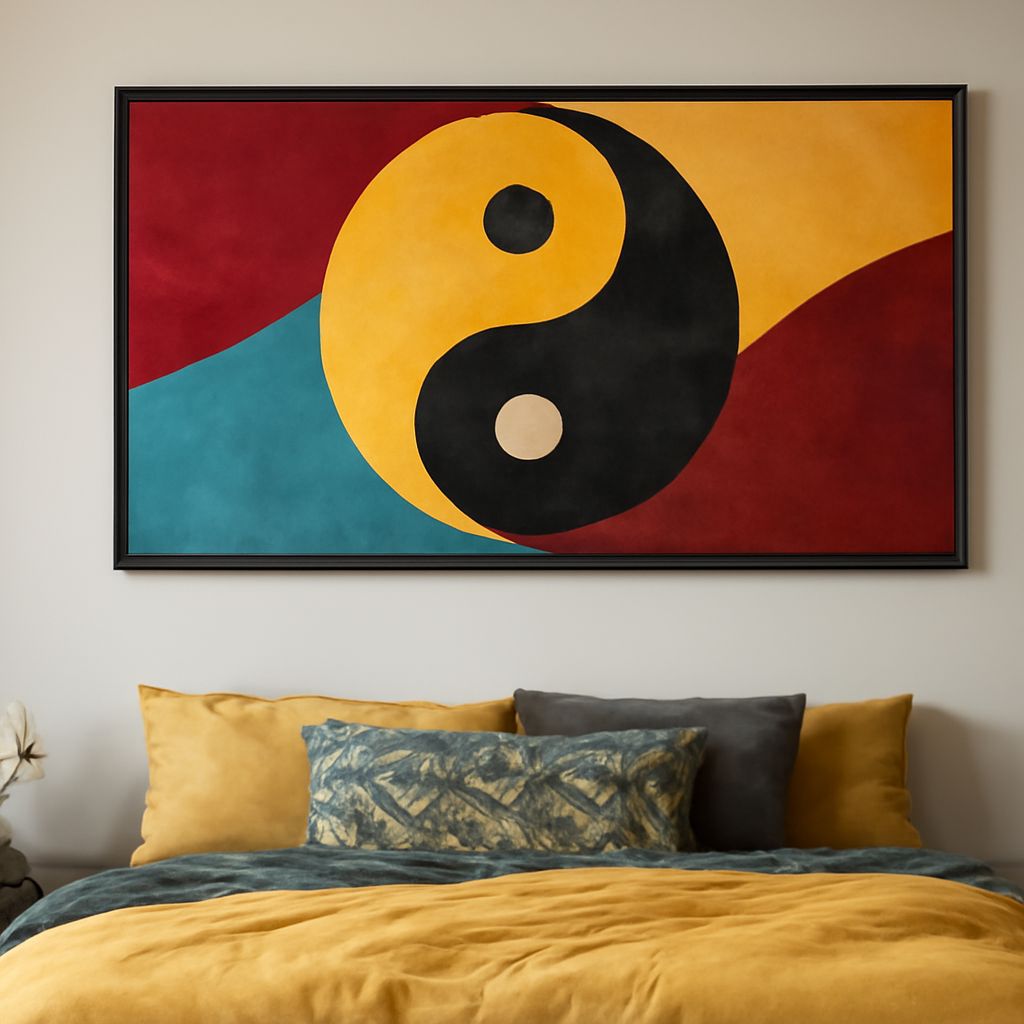
Radial balance occurs when elements radiate from a central point in a circular fashion. This technique results in a sense of expansiveness and motion within the artwork. Radial balance is often used in designs that require a focal point, drawing the viewer’s attention towards the center.
Common examples of radial balance can be seen in mandalas and other circular designs, where symmetry radiates outward to create a harmonious effect.
Crystallographic balance
Crystallographic balance, also known as allover balance, is achieved when elements are distributed evenly across the surface without a specific focal point. This type of balance results in a pattern or texture that appears uniform throughout the composition.
Artists using crystallographic balance often focus on repetition and rhythm, creating works that are visually engaging due to their consistent patterns. This approach can be seen in textile designs and abstract art where pattern plays a significant role.
Examples of balance in art
Classical examples of balance in art
Classical examples of balance in art can be observed in works by artists such as Leonardo da Vinci and Michelangelo, where symmetrical balance is prevalent. These masters employed balance to create compositions that were not only visually appealing but also structurally sound.
The use of symmetry is evident in da Vinci’s “Vitruvian Man,” demonstrating a perfect balance between proportions and structure, embodying the epitome of symmetrical balance.
Modern examples of balance in art
Modern examples of balance in art showcase a diverse range of styles, from the dynamic compositions of Wassily Kandinsky to the innovative patterns found in the works of Piet Mondrian. These artists embraced asymmetrical and crystallographic balance, pushing the boundaries of traditional art forms.
Kandinsky’s abstract paintings often demonstrate asymmetrical balance, where elements are arranged to create movement and emotion. Mondrian’s grid-based compositions exemplify crystallographic balance through repeated patterns that engage the viewer’s eye.
The significance of balance in art
The significance of balance in art lies in its ability to create harmony and unity within a composition. Balance ensures that all elements coexist without overpowering each other, leading to a cohesive and engaging artwork.
By utilizing different types of balance, artists can guide the viewer’s attention, evoke emotions, and communicate their intended message more effectively. Balance in art is not just about aesthetic appeal; it is a powerful tool in storytelling and expression.
How to achieve balance in your artwork
Achieving balance in your artwork involves understanding the different types of balance and applying them thoughtfully. Start by considering the visual weight of each element in your composition, whether it be color, shape, or texture.
Experiment with symmetrical and asymmetrical arrangements to see how they impact the overall harmony of your piece. Use radial and crystallographic balance to explore patterns and movement within your work.
By balancing elements effectively, you can create artwork that captivates and communicates with clarity and emotion.