Printmaking art is a fascinating and versatile form of artistic expression that has captured the imagination of artists for centuries. Understanding what is printmaking helps in appreciating the unique techniques and history behind this art form. The printmaking process in art involves various methods that allow artists to produce multiple artworks from a single design. From its historical roots to its modern-day applications, printmaking continues to evolve, offering endless creative possibilities for both beginners and enthusiasts.
Understanding what is printmaking
Definition and history of printmaking Printmaking is the process of creating artworks by printing, typically on paper. Unlike painting or drawing directly on a surface, printmaking involves transferring an image from a matrix such as a metal plate, woodblock, or stone onto another surface. This technique allows for the reproduction of multiple copies of the same artwork, each known as a ‘print’. Throughout history, printmaking has played a pivotal role in the dissemination of art and information, from ancient times to the invention of the printing press.
The history of printmaking can be traced back to ancient China, where woodblock printing was first developed. This technique later spread to Japan and Europe, influencing various art movements and leading to the development of new methods. Printmaking art has been used throughout history not only for artistic purposes but also for commercial and educational ones.
Different types of printmaking techniques
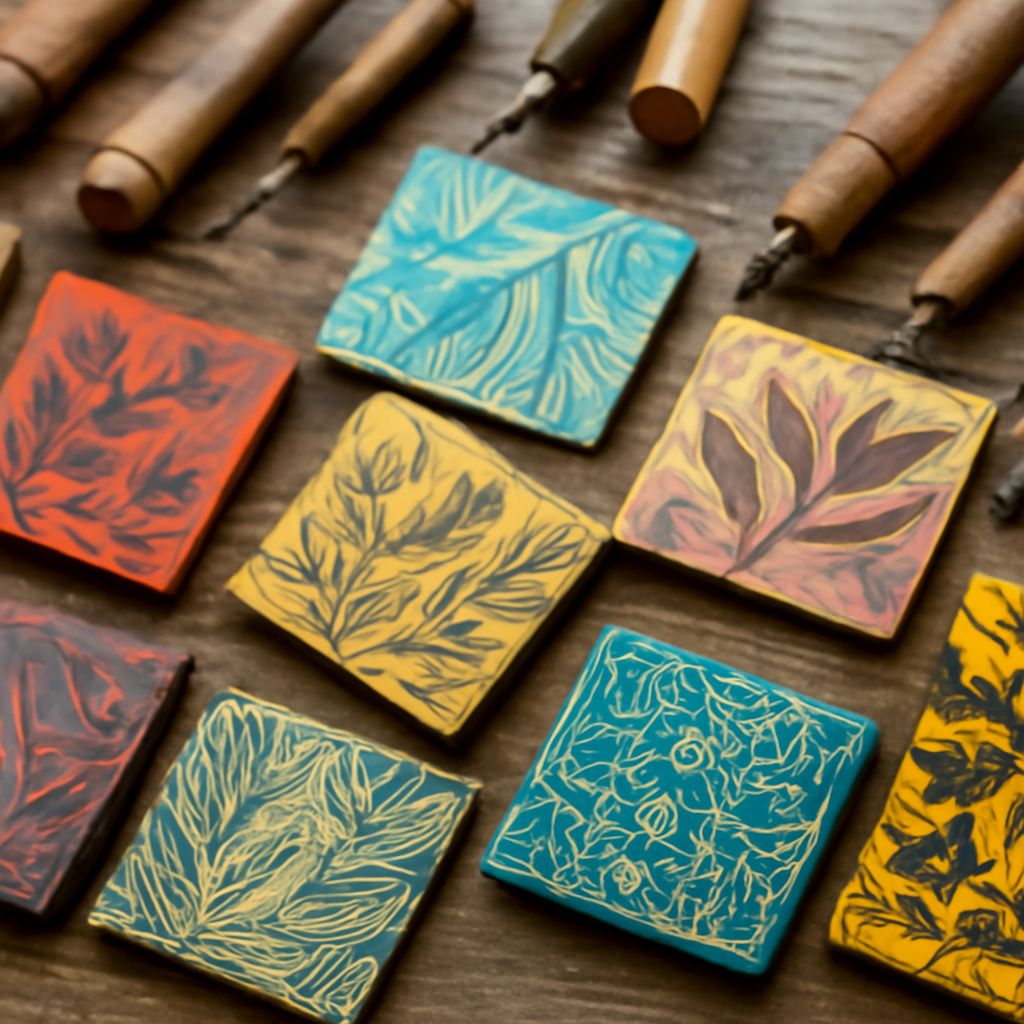
There are several types of printmaking techniques, each with its own unique characteristics and methods. Among them, relief printing, intaglio, lithography, and screen printing are the most prominent. Relief printing, such as woodcut and linocut, involves carving an image into a block, with the raised areas holding the ink. Intaglio techniques, including etching and engraving, require incising an image onto a metal plate.
Lithography, developed in the late 18th century, uses a flat stone or metal plate and relies on the immiscibility of oil and water to transfer an image. Screen printing, also known as serigraphy, involves passing ink through a mesh screen to create an image. Each technique in the printmaking process in art offers distinct visual effects and challenges, providing artists with a wide range of creative possibilities.
The printmaking process explained
Step-by-step guide to printmaking The printmaking process typically begins with the creation of a design on a suitable matrix. This can be a woodblock, metal plate, or mesh screen, depending on the chosen technique. The artist then prepares the matrix by carving, etching, or applying a stencil to create the image. Once the matrix is ready, ink is applied to the surface.
Next, the inked matrix is carefully pressed onto the chosen medium, usually paper, using a printing press or by hand. The pressure transfers the inked image from the matrix to the paper, creating a print. The final step involves allowing the print to dry and then evaluating the result. Often, artists create multiple prints, known as an ‘edition’, which are numbered and signed.
Essential tools and materials needed
Printmaking requires specific tools and materials to achieve desired results. Essential items include a matrix (such as a woodblock or metal plate), carving tools or etching needles, and printing ink. A printing press is often necessary, especially for techniques such as intaglio or lithography, to apply even pressure when printing.
Specialized papers, known for their ability to absorb ink and withstand the printing process, are crucial. Additionally, screen printing involves the use of a mesh screen and squeegee to force ink through the stencil. Understanding and selecting the right tools and materials is vital to mastering the printmaking process in art.
Printmaking art in the modern world
Famous printmaking artists and their works Throughout history, many renowned artists have embraced printmaking as a significant part of their practice. Rembrandt van Rijn, an influential figure in the art world, is celebrated for his mastery of etching. Similarly, Albrecht Dürer, known for his intricate woodcuts and engravings, contributed to printmaking art’s development during the Renaissance.
In the modern era, artists like Pablo Picasso and Andy Warhol continued to push the boundaries of printmaking. Picasso’s innovative use of linocut in the 20th century and Warhol’s screen prints, such as his iconic Marilyn Monroe series, have left a lasting impact on the art world. These artists demonstrate how printmaking can be both a traditional and avant-garde medium.
How printmaking is used in contemporary art
In contemporary art, printmaking remains a dynamic and versatile medium. Artists use it not only to produce multiple copies of their work but also to explore new artistic techniques and concepts. The unique qualities of printmaking, such as its ability to produce texture and layering, make it a valuable tool for contemporary artists.
Printmaking is also employed in art education and workshops to introduce beginners to artistic practices. It serves as an accessible entry point for those interested in art creation, offering a hands-on experience with tangible results. As technology advances, digital printmaking techniques continue to emerge, further expanding the possibilities within this art form.
Safety recap: When engaging in printmaking, it is essential to handle all tools and materials, such as carving tools and printing inks, with care. Proper ventilation and the use of protective gear like gloves are recommended to ensure a safe and enjoyable printmaking experience.