The ir imperfect tense is a fundamental component for those looking to master the Spanish language. Understanding how to use ir in the imperfect tense allows for more nuanced and accurate communication. This tense is often employed to describe past actions that were ongoing or habitual. Learning the imperfect form of ir, along with its practical applications, can significantly enhance one’s ability to convey thoughts in Spanish.
Introduction to the ir imperfect tense
What is the ir imperfect tense?
The ir imperfect tense is used to express actions or conditions in the past that were not completed or had no definite ending. It conveys a sense of continuity or habitual nature associated with the action. This tense is integral to fully grasping the subtleties of past events in Spanish.
Why learn the imperfect form of ir?
Learning the imperfect form of ir is crucial for anyone serious about gaining proficiency in Spanish. It helps in expressing past routines and ongoing actions with increased clarity. The imperfect tense allows speakers to paint a picture of the past that is vivid and detailed, providing context that the simple past cannot offer. Understanding this helps in making your communication more effective and engaging.
How to conjugate ir in the imperfect tense
Step-by-step conjugation guide
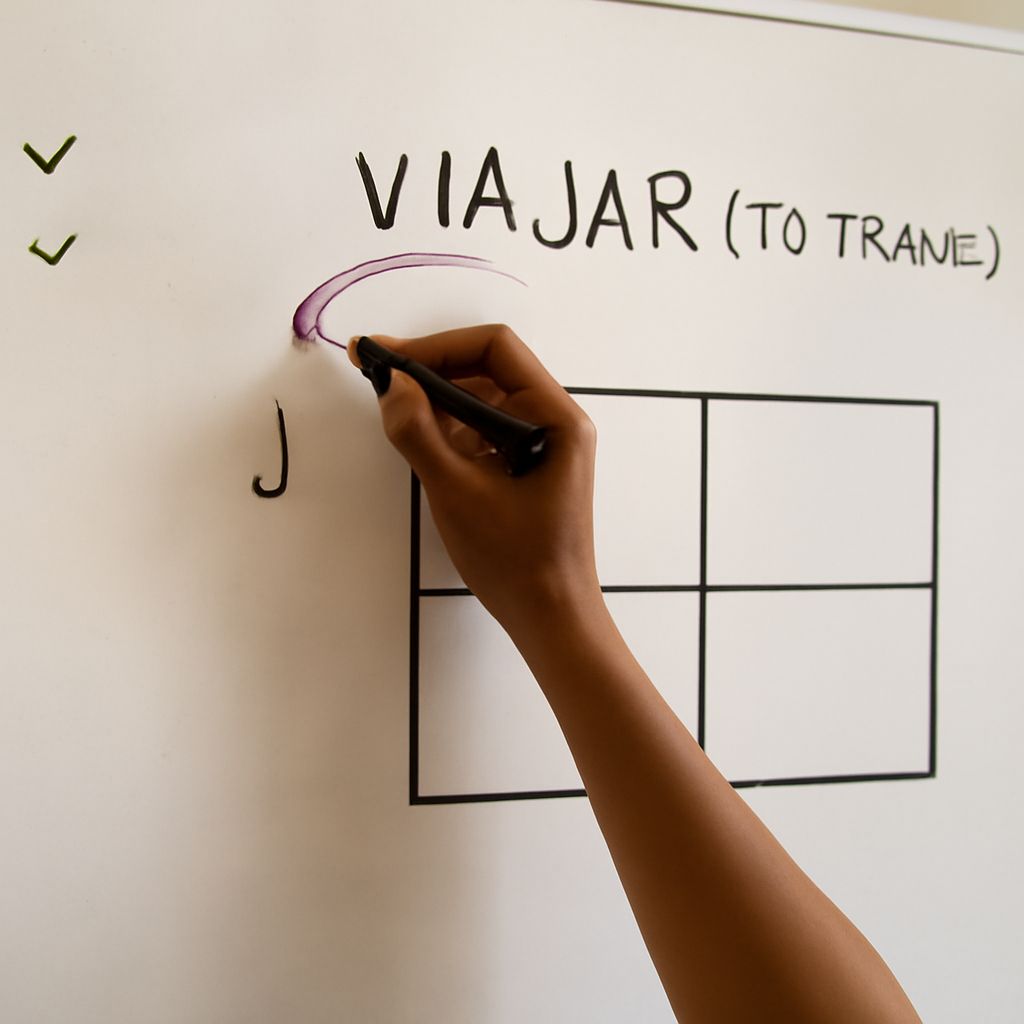
Conjugating ir in the imperfect tense is straightforward yet essential for Spanish learners. The verb “ir” changes to “iba” for the first-person singular. For the second-person singular, it becomes “ibas”. In the third-person singular, “ir” is conjugated as “iba”. The first-person plural form is “íbamos”, the second-person plural is “ibais”, and the third-person plural becomes “iban”. These forms must be memorized and practiced to ensure accuracy in usage.
Common mistakes to avoid
Common mistakes when using the ir imperfect tense include confusing it with the preterite tense or failing to apply the correct endings consistently. Another frequent error is overlooking accent marks, which can change the meaning or pronunciation of words. Careful attention to these details will help learners avoid misunderstandings and improve their command of Spanish.
Practical applications of the ir imperfect tense
Using ir imperfect in sentences
Using ir in the imperfect tense allows for rich storytelling and detailed descriptions. For instance, “Yo iba al parque todos los domingos” translates to “I used to go to the park every Sunday”, conveying a sense of routine. These sentences are helpful for sharing memories, describing past habits, or discussing historical events with a focus on their ongoing nature.
Real-life examples of imperfect tense ir
Real-life examples of imperfect tense ir include narrating childhood experiences or describing past professional routines. For example, “Ellos iban al mercado cada semana”, meaning “They used to go to the market every week”, paints a clear picture of habitual actions. Such examples help listeners and readers better understand the context of past actions, making communication more effective.
Tips for mastering the imperfect form of ir
Practice exercises for ir imperfect
Regular practice exercises are vital for mastering the imperfect form of ir. Engaging in sentence construction, verb drills, and translation exercises can solidify understanding and improve recall. Consistent practice ensures that learners can use ir in the imperfect tense fluently and confidently in conversations.
Additional resources for learning
To deepen your understanding of the ir imperfect tense, utilize additional resources such as language workbooks, online courses, and interactive apps. These tools provide structured learning environments and opportunities for feedback. Additionally, engaging with native speakers or participating in Spanish language forums can offer real-world practice and insights into the nuances of using ir in the imperfect tense.