The grand staff is a fundamental concept in music education, serving as the framework upon which musicians read and interpret music. Learning how to read the grand staff is essential for anyone aspiring to play a musical instrument, from piano to orchestral instruments. The placement of notes on the grand staff is crucial for interpreting music scores accurately. In this guide, we will delve into the structure and significance of the grand staff, exploring its historical roots, practical applications, and offering exercises to help musicians master this vital skill.
Introduction to the grand staff
What is the grand staff?
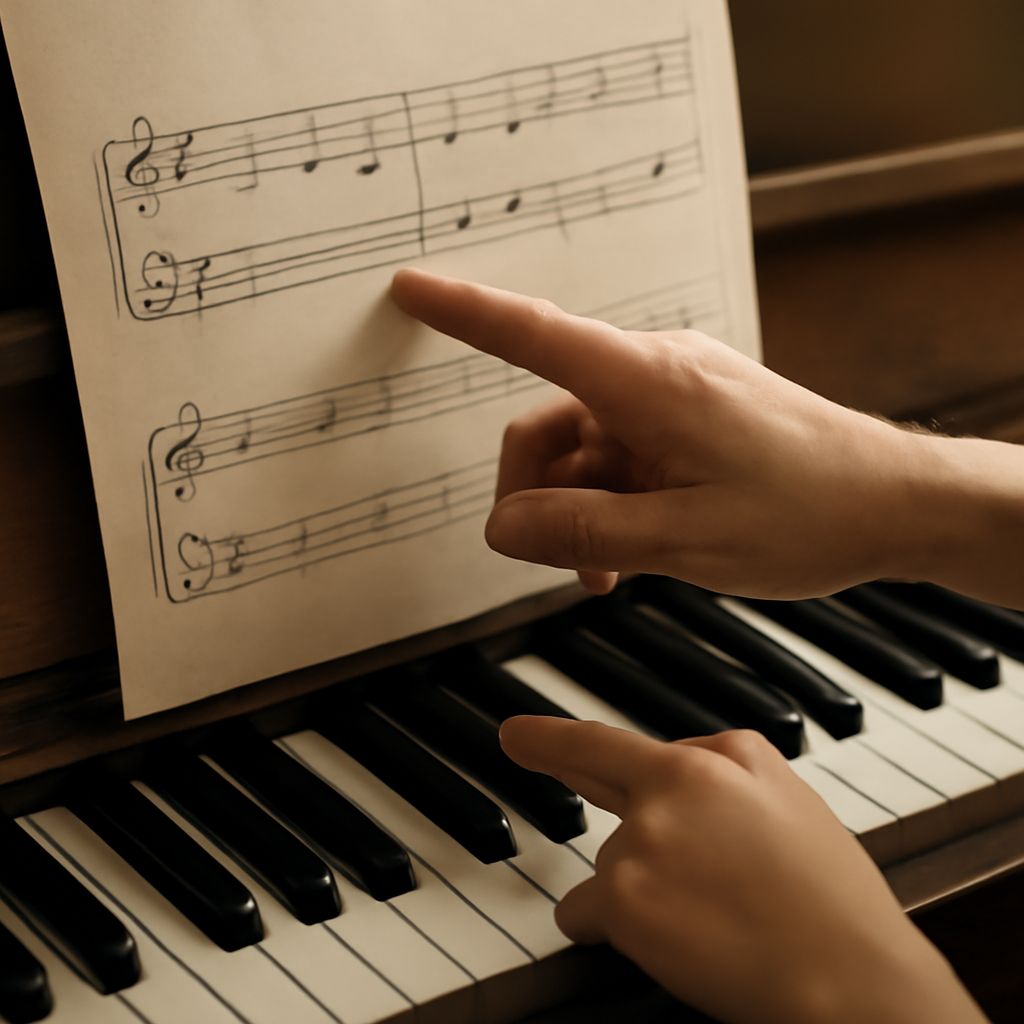
The grand staff is a musical notation system comprising two staves, usually connected by a brace. It is predominantly used for keyboard instruments such as the piano, where one staff represents the treble clef and the other the bass clef. This system allows for a comprehensive range of notes to be displayed, facilitating the portrayal of complex compositions. Understanding the grand staff music is crucial for musicians to effectively interpret and perform pieces accurately.
History of the grand staff in music
The origins of the grand staff trace back to the development of Western musical notation. Historically, separate staves were used to indicate different vocal parts or instrumental lines. As music evolved, the necessity for a more cohesive system became evident, leading to the creation of the grand staff. This evolution allowed composers to notate more intricate pieces, thereby enriching the musical landscape. The historical significance of the grand staff underscores its enduring importance in both classical and modern music.
Reading the grand staff with notes
Identifying notes on the grand staff
To read the grand staff effectively, one must recognize the notes on both the treble and bass clefs. The treble clef, also known as the G clef, typically represents higher-pitched notes, while the bass clef, or F clef, represents lower-pitched notes. Each line and space on the grand staff corresponds to a specific note, and learning these note placements is essential for musicians to read music fluently. Familiarity with the notes on the grand staff is a foundational skill for any aspiring musician.
Tips for memorizing music notes
Memorizing the notes on the grand staff can be facilitated through various techniques. Mnemonic devices, such as “Every Good Boy Deserves Fudge” for the lines of the treble clef, are helpful aids. Similarly, associating visual patterns with specific melodies can reinforce memory. Consistent practice in sight-reading and regularly playing pieces also bolsters note recognition, enhancing musical proficiency. These strategies are valuable for musicians aiming to improve their ability to interpret grand staff music effectively.
The role of the grand staff in music
How the grand staff connects to other music notations
The grand staff serves as a bridge connecting various forms of musical notation. In orchestral settings, for example, the grand staff is utilized alongside other notational systems to provide a comprehensive representation of the music. It works in tandem with other clefs, such as the alto and tenor clefs, to convey compositions spanning a wide range of pitches. The integration of the grand staff into larger musical contexts illustrates its versatility and integral role in music.
Importance of the grand staff for musicians
For musicians, mastering the grand staff is indispensable. It provides a structured framework for interpreting and performing music across genres. The ability to read the grand staff enables musicians to access a vast repertoire of compositions, from classical symphonies to contemporary pieces. A solid understanding of the grand staff contributes to a musician’s overall literacy and competence, underscoring its importance in music education and practice.
Practical exercises for mastering the grand staff
Simple exercises for beginners
Beginners can enhance their understanding of the grand staff through various exercises. One effective practice is to play scales using both hands, ensuring that notes are played accurately on both staves. Another exercise involves sight-reading simple pieces, gradually increasing complexity as proficiency improves. These exercises build fundamental skills, reinforcing the knowledge of note placement and rhythm on the grand staff.
Advanced techniques for skilled musicians
Skilled musicians can further develop their grand staff proficiency with advanced exercises. Engaging in transposition exercises, where pieces are played in different keys, challenges the musician to apply their knowledge of the grand staff dynamically. Additionally, practicing complex compositions that incorporate intricate rhythms and harmonies enhances a musician’s interpretive abilities. Such advanced techniques are crucial for musicians seeking to refine their mastery of the grand staff and broaden their musical expertise.
Conclusion: Embracing the grand staff in your musical journey
The grand staff is a pivotal element in the realm of music education, serving as a cornerstone for musicians worldwide. Mastering the grand staff empowers musicians to explore diverse musical landscapes and enrich their artistic expression. By dedicating time to understanding and practicing the grand staff, musicians can unlock their full potential and embark on a fulfilling musical journey.