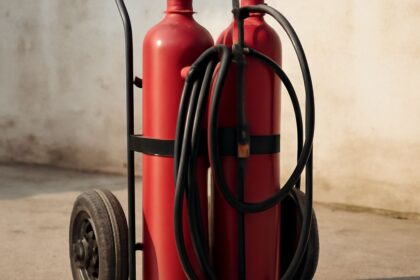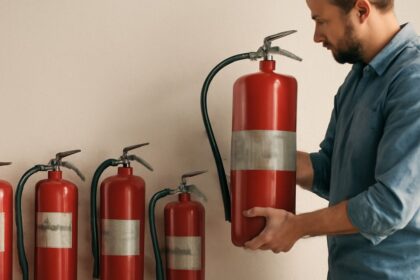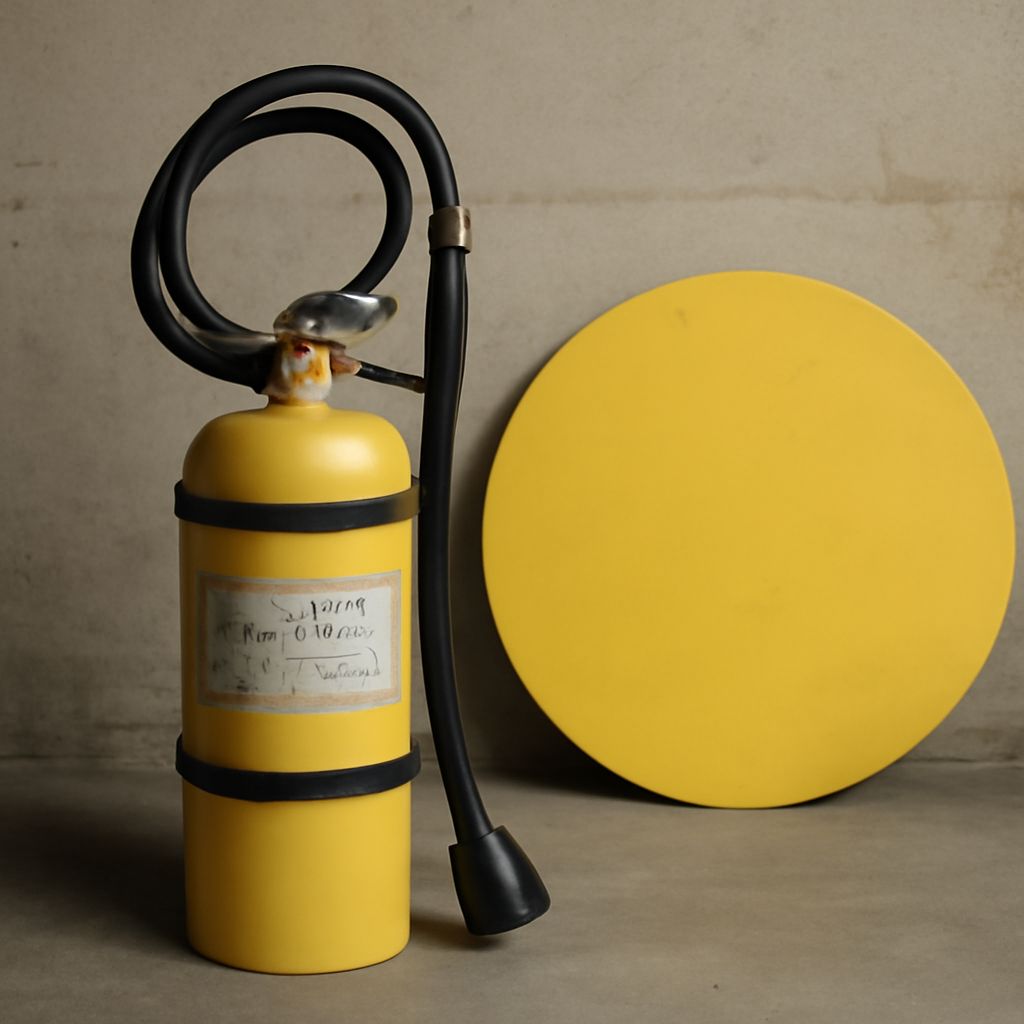
Class D fire extinguishers are essential tools designed to safely combat metal fires, which pose unique challenges that differ from other types of fires. A metal fire extinguisher is specifically formulated to tackle blazes involving combustible metals, offering a critical line of defense in environments where these materials are present. By understanding the uses and importance of a type D fire extinguisher, individuals and organizations can ensure safety and preparedness in situations involving metal fires.
What is a class d fire extinguisher?
Definition and characteristics
The class D fire extinguisher is designed specifically for fires involving combustible metals such as magnesium, titanium, and sodium. These extinguishers contain agents that can effectively suppress and extinguish metal fires by isolating oxygen from the fuel source and dissipating heat. The unique composition of the extinguisher agents is what distinguishes them from other types of extinguishers.
Types of fires it extinguishes
Type D fire extinguishers are used for fires that involve materials like lithium, potassium, and aluminum. These fires can reach extremely high temperatures and require an agent that can effectively control and neutralize the fire without exacerbating it. The class D fire extinguisher is designed to handle these unique and hazardous scenarios, ensuring safety in industrial and laboratory settings.
Importance of using a class d extinguisher
Why metal fires require special attention
Metal fires pose significant hazards due to their high temperatures and potential for explosive reactions when they come into contact with water or other conventional extinguishing agents. A metal fire extinguisher is specifically tailored to handle these conditions, minimizing the risk of injury and property damage.
Risks of using the wrong extinguisher
Using the wrong type of extinguisher on a metal fire can be extremely dangerous. Water-based extinguishers, for example, can cause violent reactions and worsen the situation. It is crucial to use a class D fire extinguisher as it contains agents that are specifically formulated to safely combat metal fires.
How to use a type d fire extinguisher
Step-by-step guide
To effectively use a type D fire extinguisher, follow these steps: pull the safety pin, aim the nozzle at the base of the fire, squeeze the handle to release the extinguishing agent, and sweep the nozzle from side to side until the fire is completely out. Always maintain a safe distance and ensure you have an escape route.
Safety precautions
Before using a metal fire extinguisher, ensure you are trained in its use. Wear appropriate protective gear, and never use water or inappropriate extinguishers on metal fires. Familiarize yourself with emergency protocols and ensure that the extinguisher is easily accessible and fully operational.
Types and composition of metal fire extinguishers
Common agents used in d fire extinguishers
Class D fire extinguishers typically use dry powder agents such as sodium chloride or copper-based powders. These agents work by covering the burning metal and isolating it from oxygen, effectively smothering the fire and stopping its spread.
Differences between K3 and other extinguishers
The K3 extinguishers, which are used for kitchen fires, differ significantly from class D extinguishers as they use wet chemical agents suitable for grease and oil fires, not metal fires. Understanding these differences is crucial for selecting the right type of extinguisher for specific fire hazards.
Maintenance and inspection of d fire extinguishers
Regular checks and servicing
Regular maintenance of class D fire extinguishers is essential for ensuring their effectiveness. This includes monthly visual inspections to check for signs of damage, verifying the pressure gauge, and annual servicing by a certified professional. Proper maintenance ensures readiness during emergencies.
Signs of wear and when to replace
Signs of wear in a metal fire extinguisher include damage to the nozzle or hose, corrosion, or a depressurized gauge. If any of these issues are noted, the extinguisher should be serviced or replaced immediately to maintain safety standards.
Where to purchase a d fire extinguisher
Recommended suppliers
To purchase a reliable class D fire extinguisher, consider reputable suppliers who specialize in fire safety equipment. These suppliers provide certified products and can offer guidance on the best options for specific needs and environments.
Factors to consider when buying
When purchasing a metal fire extinguisher, consider factors such as the type of metals present in the environment, the extinguisher’s capacity, and ease of use. Ensure that the extinguisher meets regulatory standards and is suitable for the specific fire hazards encountered in the workspace.