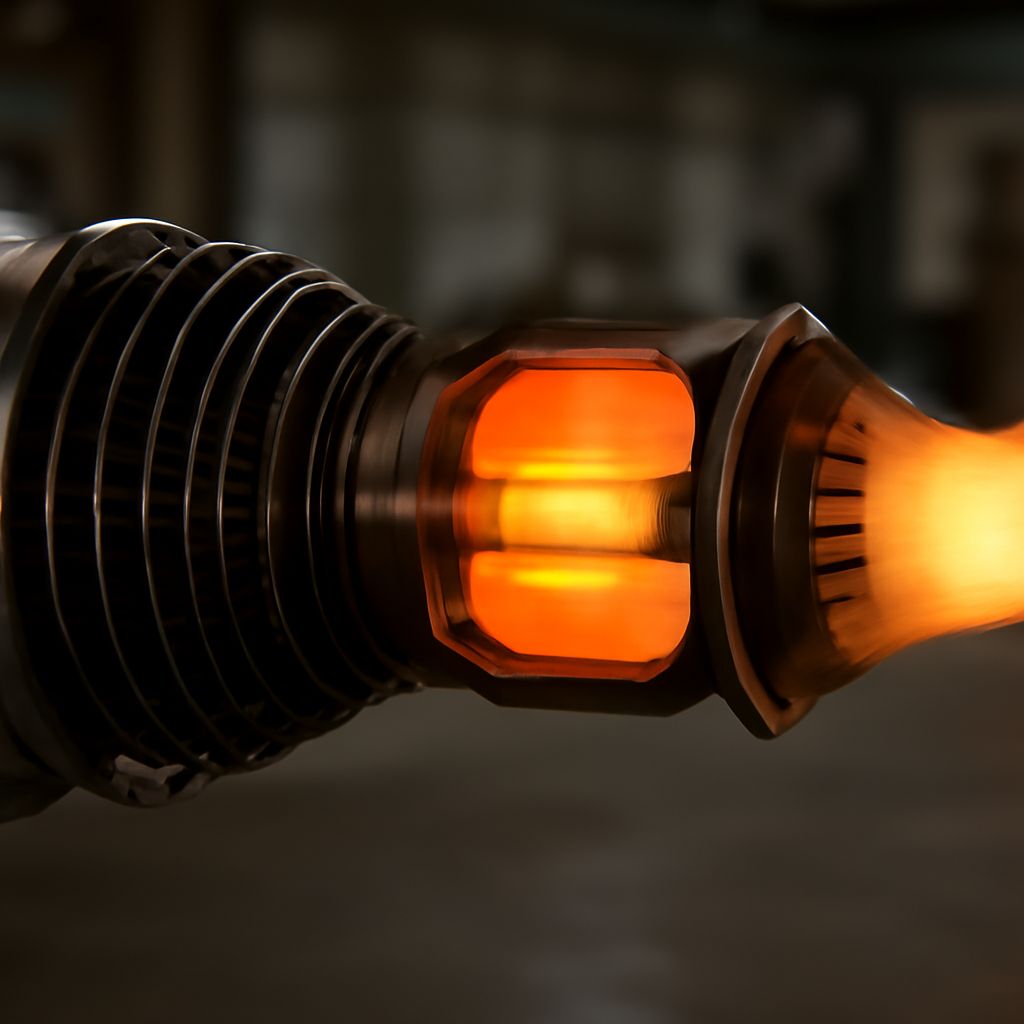
Turbine engines are the heart of modern aviation, driving the world of flight forward with their robust capabilities. From their historical roots to the cutting-edge innovations of today, these engines have evolved significantly. Understanding how a turbine engine works is crucial for comprehending the vast landscape of aviation technology. Jet turbine engines, a subset of turbine engines, have become indispensable in powering aircraft across the globe. As we delve deeper into the intricacies of turbine technology, the role of the plane turbine in modern aviation becomes increasingly clear. This article explores these facets to provide a comprehensive view of turbine engines in aviation.
Introduction to turbine engines
History and evolution of turbine engines
The history of turbine engines dates back to the early 20th century, with Frank Whittle and Hans von Ohain credited for pioneering the first successful jet engines. Initially developed for military use during World War II, these engines revolutionized aviation by enabling higher speeds and greater efficiency. Over the decades, turbine engines have undergone significant advancements, incorporating new materials and technologies to enhance performance and reliability.
Key components of a turbine engine
The key components of a turbine engine include the compressor, combustor, and turbine. The compressor increases the pressure of incoming air before it enters the combustor, where fuel is added and ignited. The resulting high-pressure exhaust gases pass over the turbine, causing it to spin and generate thrust. These components work in harmony to ensure the efficient functioning of the engine, which is critical for airplane engines in commercial and military applications.
How does a turbine engine work?
The basic working principle of a turbine engine
A turbine engine operates on the principle of converting chemical energy from fuel into mechanical energy. The engine draws air in through the intake, compresses it, mixes it with fuel, and ignites the mixture. The high-energy exhaust gases produced drive the turbine blades, which in turn spin the engine’s shaft to produce thrust. This process is fundamental to understanding how a turbine engine works and its role in powering aircraft.
Stages of operation in a plane turbine
The operation of a plane turbine can be divided into several stages: intake, compression, combustion, and exhaust. During the intake phase, air is drawn into the engine. In the compression stage, the air is compressed to a high pressure. The combustion stage involves mixing the compressed air with fuel and igniting it. Finally, the exhaust stage expels the gases, producing thrust that propels the aircraft forward. Each stage is crucial for the efficient performance of the plane turbine, impacting overall engine efficiency and effectiveness.
Types of turbine engines
Jet turbine engines
Jet turbine engines are among the most common types of engines used in commercial aviation. They include turbojets and turbofans, which are designed for high-speed and long-distance travel. Turbojets are optimized for speed, while turbofans offer a balance of speed and efficiency, making them ideal for passenger aircraft. Jet turbine engines have transformed the aviation industry by providing the means for rapid and efficient air travel.
Turboprop and turboshaft engines
Turboprop engines are used in aircraft that require short takeoff distances and lower speeds, such as regional airliners and cargo planes. They combine the principles of a jet turbine engine with a propeller to provide thrust. Turboshaft engines, on the other hand, are commonly used in helicopters, providing power to the rotor system. These engines offer versatility and efficiency, catering to specific aviation needs that differ from those of traditional jet engines.
Applications of turbine engines in aviation
Commercial aviation
In commercial aviation, turbine engines are the cornerstone of air travel, powering the majority of passenger aircraft. Their ability to deliver high thrust and fuel efficiency makes them ideal for long-haul and regional flights. The reliability and performance of plane turbine engines have enabled airlines to expand their reach and offer faster travel times, revolutionizing global connectivity.
Military and defense aircraft
Military applications of turbine engines include fighter jets, transport aircraft, and unmanned aerial vehicles. These engines provide the necessary power and agility for high-performance military operations. Jet turbine engines, in particular, are critical for achieving the speed and maneuverability required in combat scenarios. The technological advancements in turbine engines continue to enhance the capabilities of military aircraft, playing a vital role in defense strategies.
The future of turbine engines
Innovations in turbine technology
Future developments in turbine engines focus on improving efficiency, reducing emissions, and enhancing performance. Innovations such as advanced materials, 3D printing, and hybrid-electric propulsion systems are being explored to meet these goals. These technologies promise to revolutionize the way turbine engines are designed and manufactured, leading to more sustainable aviation solutions.
Challenges and opportunities ahead
Despite the advancements, the turbine engine industry faces challenges, including regulatory pressures to reduce environmental impact and the need for continuous technological evolution. However, these challenges present opportunities for innovation and growth. As the aviation industry moves towards greener solutions, turbine engines will play a pivotal role in achieving sustainable flight, balancing performance with environmental responsibility.
Bottom line: Turbine engines are integral to the functionality and progress of modern aviation. By continuously evolving and adapting to new technological advancements, they remain at the forefront of powering efficient and effective air travel. Their significance is further highlighted by the ongoing pursuit of sustainable and innovative aviation solutions.