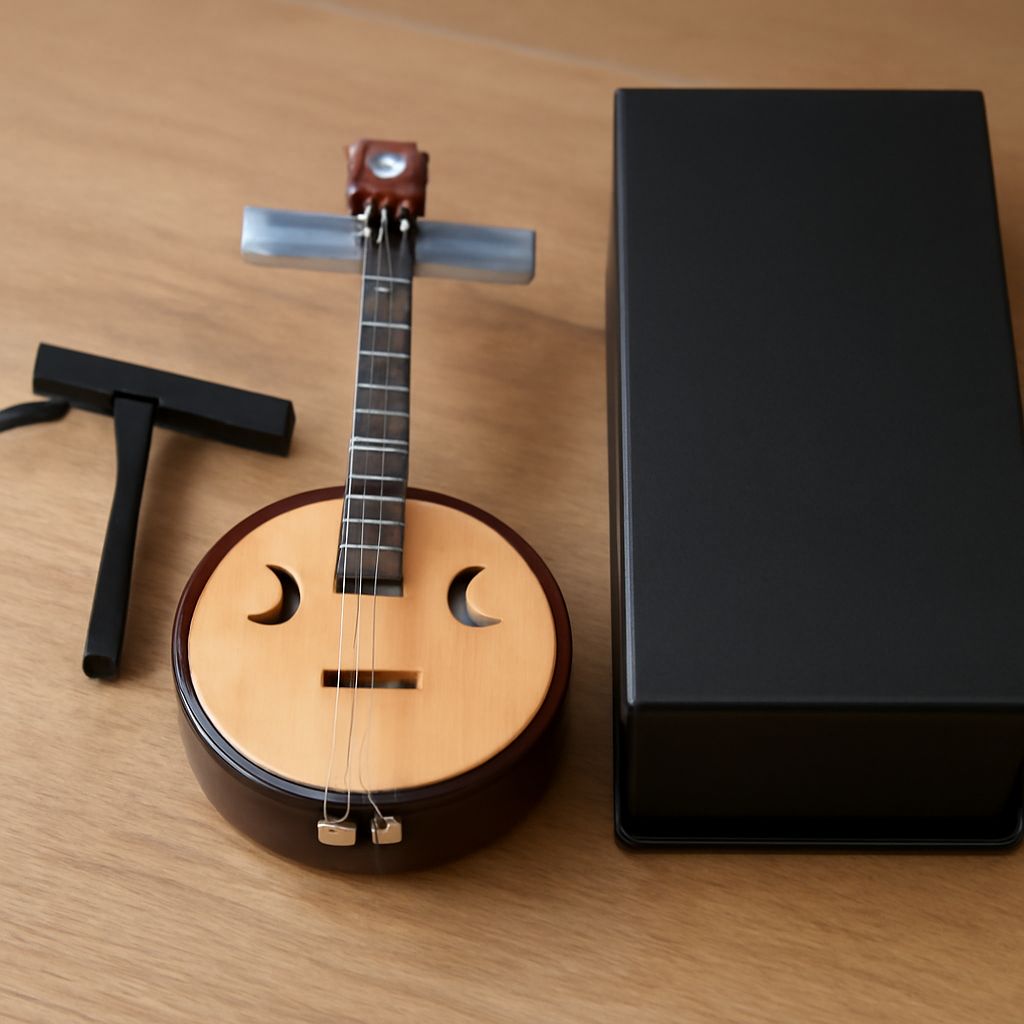
Chinese musical instruments have captivated audiences for centuries, offering a unique glimpse into China’s rich cultural heritage. Among these, the Chinese string instrument holds a special place, renowned for its distinctive sounds and craftsmanship. This guide explores the various types of Chinese string instruments, their ancient origins, and how they continue to influence music globally. Whether it’s the haunting melodies of the erhu or the intricate designs of the guqin, Chinese musical instruments continue to fascinate and inspire musicians and audiences alike.
Introduction to Chinese music instruments
Overview of Chinese musical instruments
The diverse range of Chinese musical instruments reflects the vast cultural history of China. These instruments, including both ancient and modern varieties, are categorized into several types, such as string, woodwind, percussion, and brass. Among them, Chinese string instruments like the erhu and the pipa are particularly noteworthy for their unique sounds and playing techniques.
Significance in Chinese culture
Chinese music instruments play a pivotal role in traditional Chinese culture, symbolizing harmony and the connection between nature and humanity. These instruments are integral to various cultural ceremonies, festivals, and theatrical performances, enriching the cultural tapestry of China and showcasing the artistry of Chinese musical traditions.
Types of Chinese string instruments
Popular Chinese string instruments
The erhu, also known as the Chinese violin, and the guzheng, a type of zither, are among the most popular Chinese string instruments. The erhu is known for its expressive melodies, while the guzheng produces a wide range of sounds through its plucked strings. These instruments are celebrated for their ability to convey profound emotions and stories.
Unique features and sounds
Each Chinese string instrument boasts unique features that contribute to its distinctive sound. The pipa, for example, has a pear-shaped body and is played with a rapid finger-plucking technique, producing bright, lively music. The guqin, on the other hand, is revered for its subtle, meditative tones, which are achieved through finger slides and vibratos.
Ancient Chinese musical instruments
Historical development
Ancient Chinese musical instruments have evolved over millennia, with historical records indicating their use in ceremonial and court performances as far back as the Zhou dynasty. Instruments like the bianzhong, a set of bronze bells, and the guqin have been discovered in archaeological sites, highlighting their long-standing cultural significance.
Preservation of ancient instruments
Efforts to preserve ancient Chinese musical instruments are crucial for maintaining their historical and cultural legacy. Museums and cultural institutions actively work to restore these instruments, allowing new generations to appreciate their craftsmanship and significance in Chinese history.
Learning to play Chinese string instruments
Resources for learning
Learning to play a Chinese string instrument offers an enriching cultural and musical experience. Numerous resources are available for aspiring musicians, including online tutorials, music schools, and community workshops, which provide valuable insights into traditional techniques and repertoire.
Tips for beginners
Beginners interested in Chinese string instruments are encouraged to start with basic techniques and gradually progress to more complex pieces. Consistent practice, patience, and a deep appreciation for the instrument’s cultural roots are essential for mastering these ancient art forms.
Modern influence of Chinese music instruments
Fusion with Western music
Chinese music instruments have increasingly found a place in modern compositions, blending with Western music to create innovative sounds. This fusion has led to unique collaborations across genres, demonstrating the versatility and enduring appeal of Chinese musical traditions.
Global appreciation
Globally, Chinese string instruments have garnered significant appreciation, with musicians and music enthusiasts worldwide exploring their rich sounds and diverse applications. Concerts and cultural festivals celebrating these instruments further increase their popularity and influence in the global music scene.
Safety recap: While Chinese string instruments bring cultural enrichment, it is essential to handle them with care to preserve their delicate craftsmanship and ensure longevity.