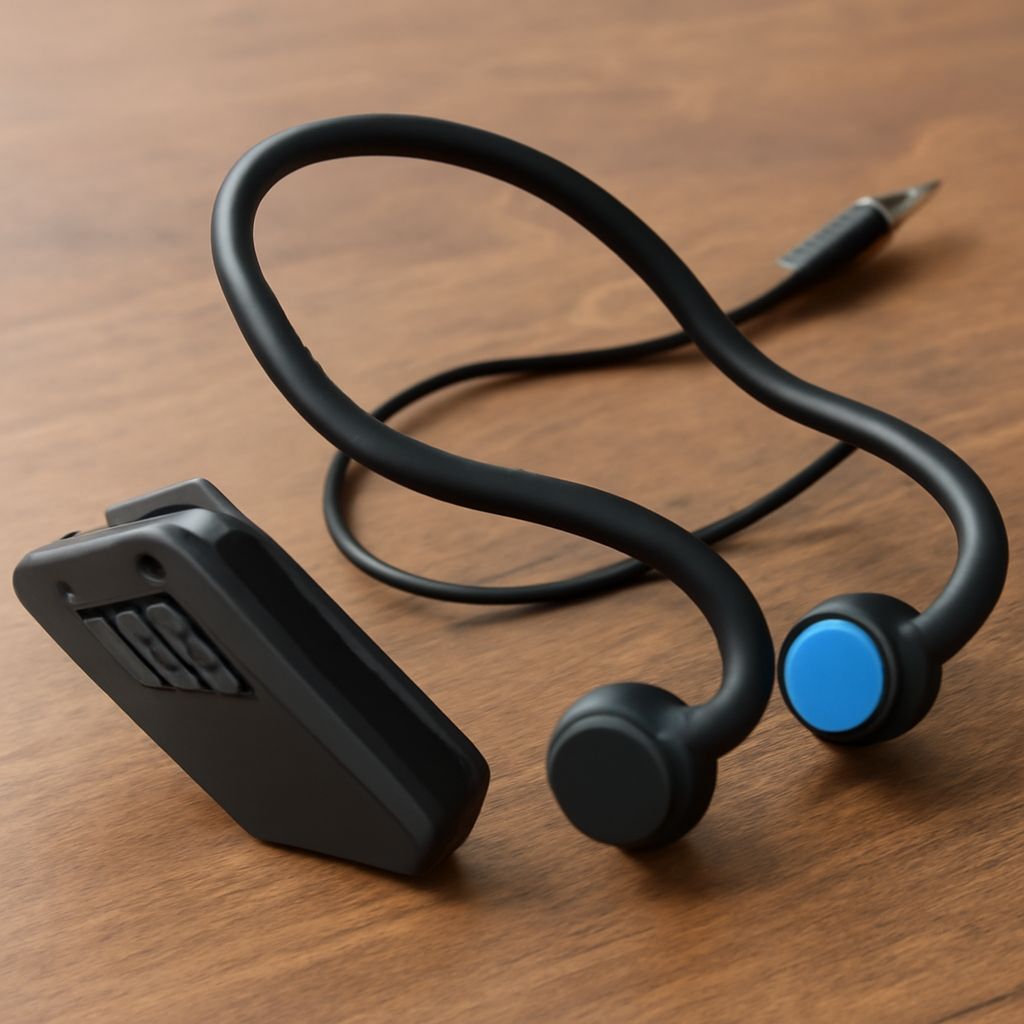
Hearing amplification devices have become increasingly popular for those seeking to enhance their auditory experience. These devices, often referred to as hearing amplifiers or ear amplifiers, offer a practical solution for individuals with mild to moderate hearing loss. Unlike traditional hearing aids, hearing amplifiers focus on amplifying sound clarity and volume, making them an attractive option for many. As hearing aid amplifier technology continues to evolve, understanding the distinct features and privacy considerations of these devices becomes essential.
Introduction to hearing amplification devices
What are hearing amplifiers?
Hearing amplifiers are personal sound amplification products designed to improve the ability to hear environmental sounds. These devices capture sound through a microphone, amplify it, and then deliver the enhanced sound to the user’s ear. They are often used in situations where the listener requires assistance hearing but does not need the full range of features offered by hearing aids.
The difference between hearing amplifiers and hearing aids
While both hearing amplifiers and hearing aids serve to improve hearing, their purposes and functionalities differ. Hearing aids are medical devices prescribed by audiologists to address specific hearing impairments. In contrast, hearing amplifiers are available over-the-counter and are not tailored to individual hearing loss profiles. Hearing aids typically offer more advanced technology, including noise reduction and feedback cancellation, whereas hearing amplifiers primarily focus on boosting sound for general hearing enhancement.
Key features of modern hearing amplifiers
Advanced technology and innovations
Modern hearing amplifiers have significantly benefited from advancements in technology. Many devices now incorporate features such as digital signal processing, which enhances sound clarity by reducing background noise and focusing on speech. Some models offer connectivity options to smartphones and other digital devices, allowing users to stream audio directly to their amplifiers. The integration of rechargeable batteries and customizable settings further enhances the user experience, making hearing amplifiers a convenient option for many individuals.
Choosing the right hearing amplifier for your needs
Selecting an appropriate hearing amplifier involves considering various factors such as the degree of hearing loss, lifestyle, and personal preferences. It is important to assess the amplifier’s sound quality, battery life, and comfort. Additionally, some users may prioritize features like water resistance or compatibility with mobile apps. By evaluating these aspects, individuals can choose a hearing amplifier that best suits their specific needs and enhances their auditory experience.
Benefits of using an ear amplifier
Enhancing sound clarity
One of the primary benefits of using an ear amplifier is the enhancement of sound clarity. These devices amplify ambient sounds, making it easier for users to hear conversations, music, and other environmental noises. This improved sound clarity can be particularly beneficial in social settings where background noise may otherwise impede communication.
Improving communication and quality of life
By improving sound clarity and amplification, hearing amplifiers can significantly enhance communication abilities, leading to an improved quality of life. Users often report a heightened ability to participate in conversations and social interactions, reducing feelings of isolation and frustration. The accessibility and affordability of hearing amplifiers also make them an appealing option for individuals seeking to improve their hearing without the investment required for traditional hearing aids.
Privacy concerns with hearing aid amplifiers
Data privacy and digital security
As hearing aid amplifiers increasingly incorporate digital technology, concerns regarding data privacy and security have emerged. Devices that connect to smartphones or other digital platforms may collect and store personal data, raising questions about the protection of sensitive information. Manufacturers must ensure robust security measures are in place to protect user data from unauthorized access or breaches.
Best practices for maintaining privacy
To maintain privacy while using hearing amplifiers, users should adopt best practices, such as regularly updating device software to protect against vulnerabilities. It is also advisable to review and understand the privacy policies of connected apps and devices, ensuring that personal data is handled responsibly. Users should be cautious when sharing personal information and consider disabling features that require unnecessary data access.
Conclusion: Embracing hearing amplifiers
Future trends in hearing amplification devices
The future of hearing amplification devices is promising, with ongoing innovations expected to enhance functionality and user experience. Trends such as artificial intelligence integration and improved connectivity are likely to further blur the lines between hearing amplifiers and hearing aids, offering users even greater benefits and flexibility.
Final thoughts on hearing amplifiers
Hearing amplifiers represent a valuable tool for individuals seeking to improve their hearing without the need for medical-grade interventions. By understanding the features, benefits, and privacy considerations of these devices, users can make informed decisions that enhance their auditory experiences. As technology continues to advance, hearing amplifiers will likely play an increasingly important role in auditory health and wellbeing.
Safety recap: When using hearing amplifiers, it is crucial to consider privacy and ensure devices are used safely to protect personal data.