In the realm of construction and civil engineering, understanding soil behavior is crucial. The proctor test is an essential tool that aids in assessing soil compaction, a vital factor in ensuring the stability and longevity of structures. This article will delve into the intricacies of the proctor test, the modified proctor test, and their significance in modern construction practices.
Introduction to the proctor test
The proctor test is a fundamental procedure used to determine the optimal moisture content at which a soil type will achieve its maximum dry density. This test, first developed by Ralph R. Proctor in the 1930s, evaluates how various moisture levels affect soil compaction. By preparing soil samples and applying mechanical force, engineers can ascertain the conditions needed for achieving ideal compaction.
Purpose and significance of the proctor test
The primary purpose of the proctor test is to establish the compaction characteristics of different soils. This is critical in constructing roads, embankments, and foundations. The proctor test helps predict how soil will behave under load and compaction, ensuring the soil’s structural integrity is maintained over time. By determining the maximum dry density and optimal moisture content, engineers can make informed decisions to enhance construction stability.
Step-by-step process of the proctor test
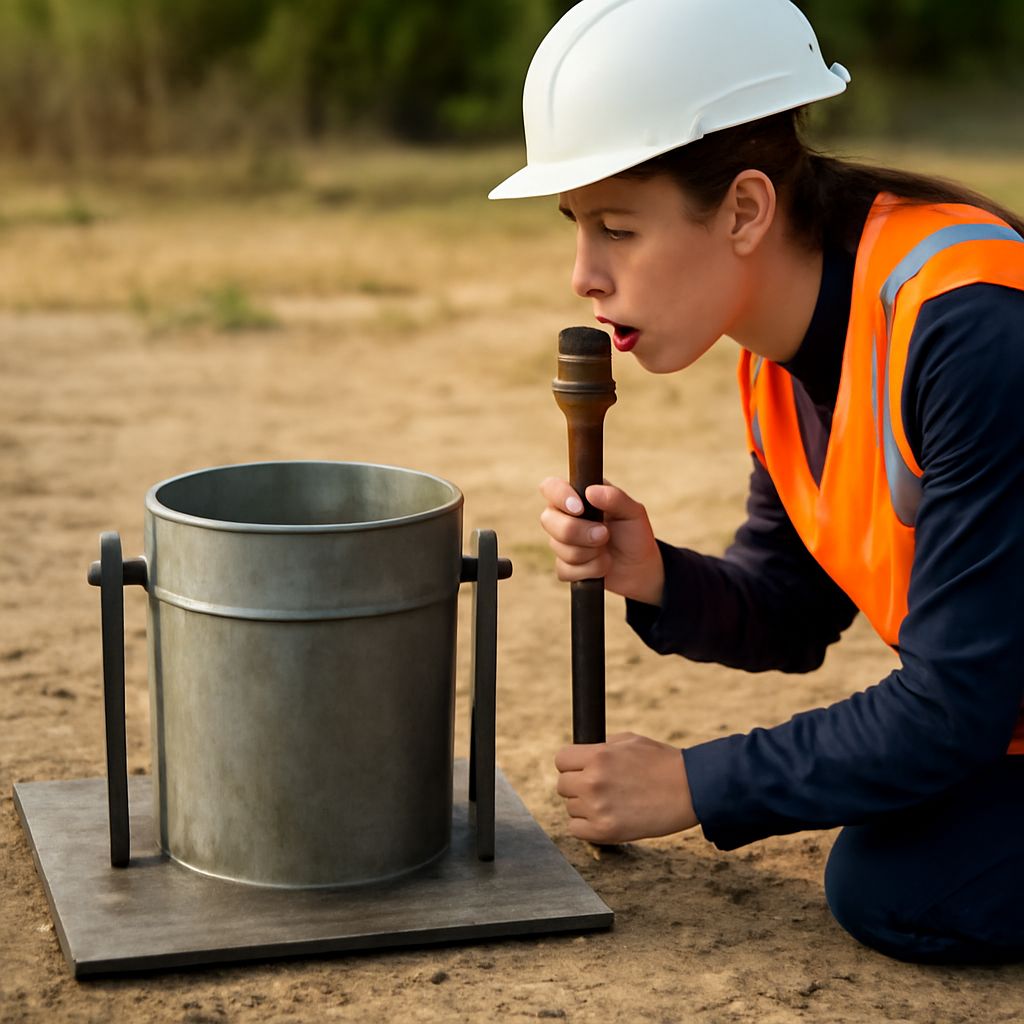
The proctor test involves a systematic procedure, beginning with the preparation of a soil sample. The sample is compacted in a mold in layers, with each layer compacted using a standardized number of hammer blows. This process is repeated with varying moisture contents to determine the relationship between moisture and density. The goal is to find the moisture level that yields the highest dry density. Accurate measurement and documentation are crucial throughout the procedure to ensure reliable results.
Introduction to the modified proctor test
The modified proctor test is an adaptation of the original proctor test, designed to simulate the higher compaction energies used in modern construction. This version involves using heavier compaction equipment and more energy to achieve maximum soil density. The modified proctor test is particularly useful for construction projects requiring higher load-bearing capacities, making it a valuable tool in today’s engineering practices.
Differences between proctor test and modified proctor test
While both tests aim to determine the optimal moisture content and maximum dry density of soil, key differences exist between the two. The modified proctor test uses heavier hammers and more layers during compaction, providing results that reflect the conditions found in large-scale construction. In contrast, the standard proctor test is suitable for lighter structures where lower compaction energy suffices. Understanding these differences is essential for selecting the appropriate test for specific project requirements.
Applications and importance in construction
The significance of both the proctor and modified proctor tests in construction cannot be overstated. They ensure that soil compaction meets the necessary standards for supporting various structures, from residential buildings to highways. By determining the soil’s load-bearing capabilities, these tests prevent future issues such as settling and erosion. Ultimately, they contribute to the longevity and safety of constructed facilities, underscoring their pivotal role in engineering and construction fields.