Learning to recognize and use abc letters is a cornerstone of early literacy. For many children, associating familiar objects or images with each letter transforms abstract symbols into meaningful concepts. Pictures of the alphabet provide a visual context, helping young learners connect sounds and shapes more efficiently.
Parents and educators increasingly adopt picture-based resources to reinforce the fundamentals of the alphabet. By integrating abc letters with appealing illustrations, children can develop reading skills in an engaging and memorable way. This article explores how to effectively use images of the alphabet to support literacy development and maximize learning outcomes.
Understanding the basics of abc letters
Early childhood education places significant emphasis on learning abc letters. These foundational symbols form the building blocks for reading, writing, and communication. Mastery of the alphabet enables children to decode written language and understand the mechanics of word construction. Recognizing each character, both visually and phonetically, is essential for future academic success.
Children often encounter abc letters through books, educational toys, and classroom materials. Repetition and exposure are critical, as repeated practice helps solidify the connection between shapes and corresponding sounds. Over time, this familiarity allows learners to identify letters in various contexts, from print to digital media.
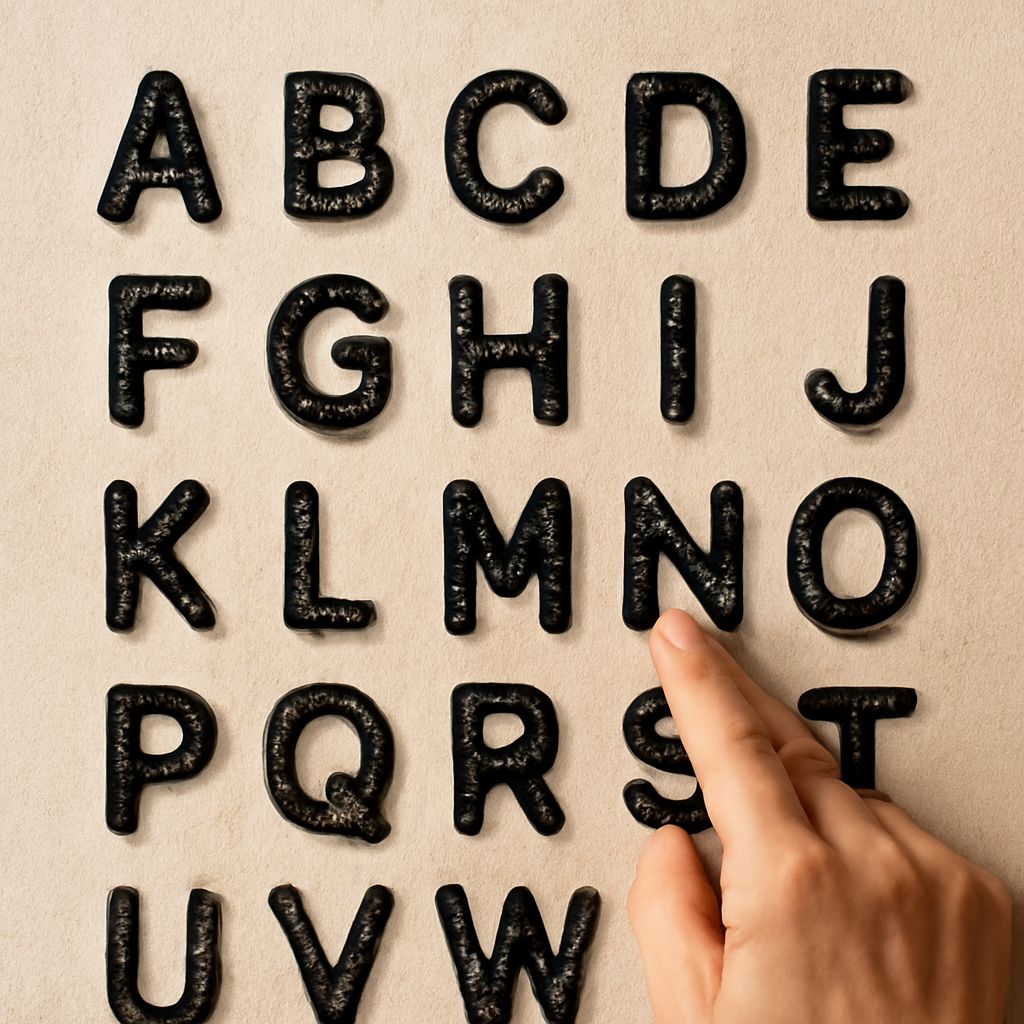
The process of learning the alphabet can be challenging due to the abstract nature of symbols. Young children benefit from multisensory approaches, such as singing the alphabet song, tracing letters, or handling textured cards. These methods reinforce memory and improve letter recognition.
Incorporating visual elements, like images associated with each letter, further enhances retention. These strategies transform abc letters from arbitrary marks into meaningful representations, bridging the gap between spoken and written language.
Why pictures of the alphabet make learning easier
Integrating pictures of the alphabet with letter instruction significantly supports cognitive development. Visual aids help learners make connections between symbols and familiar objects, making the learning process more concrete. Associating an image, such as an apple for A or a ball for B, enables children to anchor abstract letters to real-world items.
This association increases engagement and fosters active participation. When young learners see both abc letters and corresponding images, they are more likely to remember each symbol’s shape and sound. Research in early literacy highlights the effectiveness of combining visual and auditory inputs to reinforce memory pathways.
Pictures of the alphabet also support diverse learning preferences, including visual, auditory, and kinesthetic learners. For example, a child who struggles with rote memorization may find it easier to recall letters by connecting them to colorful illustrations. Additionally, picture-based resources often make lessons more enjoyable, reducing frustration and encouraging repeated practice.
The use of images in teaching abc letters further aids children with language delays or learning differences. By providing visual cues, educators can accommodate a broader range of learning needs, ensuring that all students can participate in the process of mastering the alphabet.
Creative methods to teach abc letters using images
There are numerous innovative strategies for introducing abc letters alongside pictures of the alphabet. One popular technique involves using flashcards that pair each letter with a vivid illustration, such as a cat for C or a dog for D. These materials can be used in matching games, sorting activities, or memory challenges to reinforce learning.
Storybooks that incorporate abc letters and corresponding images provide another engaging approach. By reading aloud and pointing to both the letter and its picture, adults help children internalize letter-sound relationships. Interactive digital tools, such as alphabet apps or online games, also allow students to explore letters through touch, sound, and animation.
Art-based activities offer additional opportunities for creativity. Children might draw their own pictures for each letter, decorate letter cut-outs, or create collages using magazine images. These hands-on experiences combine fine motor skills with letter recognition and strengthen the connection between symbols and meanings.
Group activities, such as alphabet scavenger hunts, encourage children to find objects around the classroom or home that match specific abc letters. This approach not only reinforces identification but also builds vocabulary and observational skills as learners connect alphabet symbols to their everyday environment.
Incorporating abc letters and pictures of the alphabet at home and school
Families and educators can seamlessly incorporate abc letters and pictures of the alphabet into daily routines. Displaying alphabet charts in classrooms or playrooms ensures frequent exposure, while labels on common items like doors, desks, or bins can reinforce letter-object associations throughout the day.
During circle time or morning meetings, teachers might introduce a “letter of the day” activity, showcasing both the letter and a corresponding picture. This routine provides consistent practice and allows children to focus on one symbol at a time, deepening understanding before moving to the next.
At home, parents can create simple crafts that combine abc letters with related images, such as making an “alphabet book” where each page features a letter and a drawing or photo of an associated object. These personalized projects encourage children to take ownership of their learning and revisit the material frequently.
Integrating pictures of the alphabet into games and songs keeps young learners motivated. Activities like alphabet bingo, matching puzzles, or sing-along videos add variety and fun to the learning process, helping children retain information more effectively.
Tips for choosing the best pictures of the alphabet
Selecting appropriate images is crucial for effective instruction with abc letters. Pictures should clearly represent the object and be easily recognizable by children. Simple, bold illustrations are often more effective than detailed or abstract art, as they minimize confusion and emphasize the letter-object connection.
When choosing resources, opt for images that reflect a child’s everyday experiences and cultural background. Familiarity with objects enhances relevance and makes it easier for learners to remember the associated letter. For example, using a common fruit for a letter rather than a rare animal ensures broader comprehension.
High-quality educational materials combine abc letters and pictures of the alphabet in a visually appealing, organized format. Consider using professionally designed flashcards, wall charts, or educational apps vetted for age-appropriateness and clarity. Avoid overcrowding visuals with too many elements, which can distract from the primary learning objective.
Finally, periodically update resources as children’s interests and knowledge grow. Introducing new images or rotating materials maintains enthusiasm and provides fresh opportunities to revisit and reinforce the alphabet in meaningful ways.