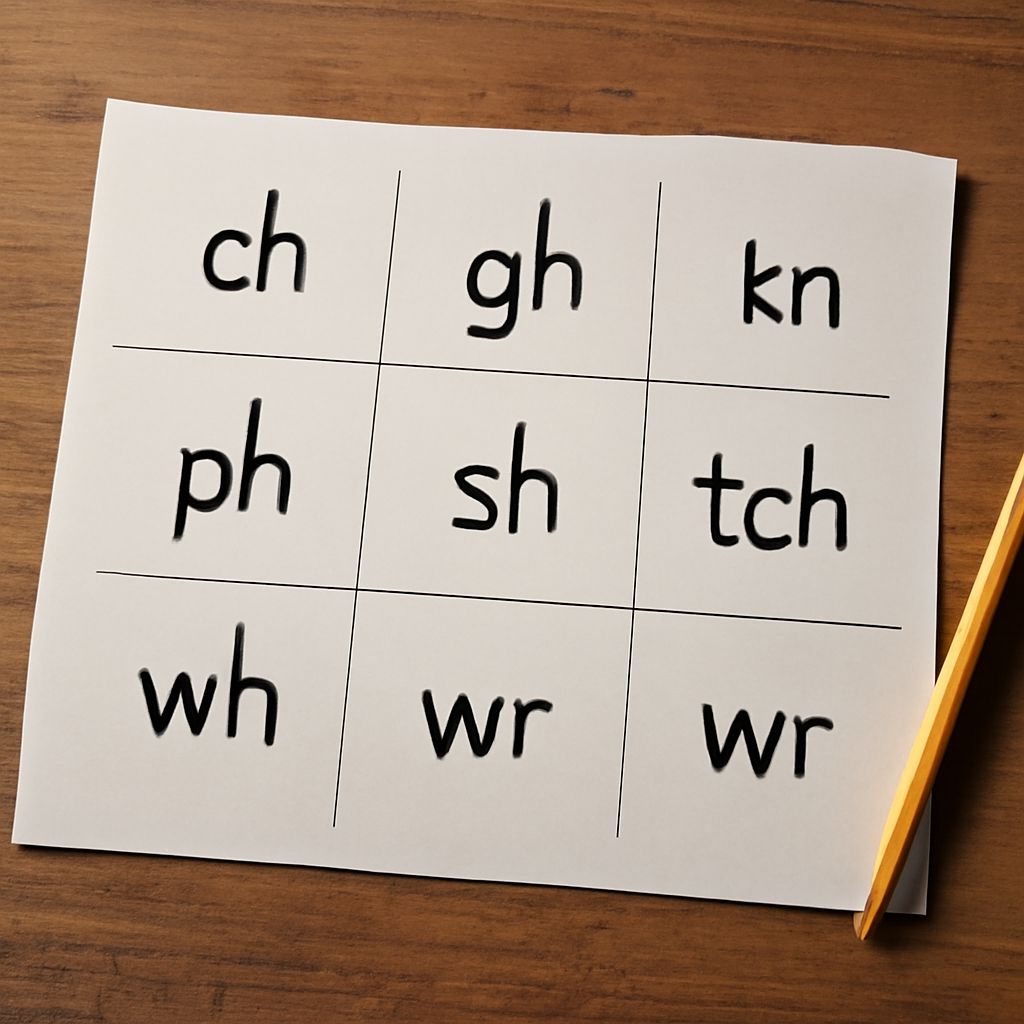
Understanding digraph words is fundamental for developing strong reading and writing foundations. Educators, parents, and learners often consult a comprehensive digraphs list to identify pivotal letter combinations that shape English pronunciation. Knowing what is a consonant digraph and being familiar with practical digraph examples empower students to decode and spell with increased accuracy. Mastering these elements is crucial for anyone seeking to boost reading and literacy skills.
Digraph words appear frequently in both simple and complex texts, making them a key focus in early education. By investigating the most common digraphs and their usage, learners can improve their phonics knowledge and reading fluency. This article provides a clear overview of consonant digraphs, offers a practical digraphs list, showcases real-world digraph examples, and suggests effective strategies for teaching these important letter combinations.
What is a consonant digraph and why does it matter?
A consonant digraph consists of two consonant letters that come together to form a single unique sound, distinct from the sound each letter would make alone. Examples include “sh” as in ship, “ch” in chair, and “th” as in this. Recognizing what is a consonant digraph is crucial for learners because these letter pairs often appear in high-frequency vocabulary and can significantly affect word pronunciation.
Effective reading instruction frequently emphasizes the importance of digraph words. When students encounter unfamiliar terms containing new digraphs, their ability to identify and pronounce these letter combinations directly influences reading comprehension and word recognition. This knowledge helps learners decode more efficiently, contributing positively to their overall phonological awareness.
Besides their prevalence, consonant digraphs can present challenges to English language learners due to their sometimes unpredictable spelling-sound relationships. Differentiating digraphs from blends—where each consonant sound is pronounced—also highlights the value of explicit instruction. Thus, understanding and applying digraph examples in context builds strong phonics and spelling skills.
By mastering the concept of what is a consonant digraph, students are able to approach more complex texts with confidence. This foundation supports not only reading fluency, but also the accurate spelling and writing of new vocabulary, further cementing the role of digraphs in educational development.
Exploring the digraphs list: Common pairs in English
The English language features a rich inventory of digraphs, with some pairs appearing far more frequently than others. A digraphs list typically highlights pairs such as “sh,” “ch,” “th,” “wh,” and “ph” as foundational in early reading curricula. Each of these combinations produces a sound that cannot be derived simply by blending the individual letter sounds, which makes them essential to decode efficiently.
Reviewing a digraphs list exposes students to both common and less familiar pairs, such as “ck,” “gn,” “kn,” and “wr.” For example, “kn” in knock and “wr” in wrist illustrate how certain digraphs can be silent or alter expected pronunciations. Teachers often introduce these pairs systematically, beginning with the most commonly encountered ones before progressing to more advanced forms.
In addition to consonant digraphs, it is useful to recognize that vowel digraphs—like “ea” in bread and “ai” in rain—also play a significant role in reading development. However, consonant digraphs form the primary focus for building basic decoding skills, since they frequently appear in controlled vocabulary lists designed for early readers.
Utilizing a well-structured digraphs list helps both students and educators track progress and target instruction. By practicing with words containing these letter pairs, learners strengthen their ability to recognize and use digraphs in both reading and writing tasks.
Digraph examples in everyday words
Illustrating digraph words through real examples provides meaningful context for learners. Common digraph examples include “sh” in sheep, “ch” in cheese, and “th” in think. These words are prevalent in daily communication, making repeated exposure and practice highly beneficial for early readers.
When exploring what is a consonant digraph, teachers often select familiar vocabulary from children’s books or classroom materials. For instance, “ph” in phone, “wh” in wheel, and “ck” in duck demonstrate the range of sounds and positions digraphs can occupy within words. Such variety helps students generalize their phonics skills beyond isolated word lists.
Advanced digraph words, such as “gnome” (with the “gn” digraph) and “wrist” (containing “wr”), introduce students to irregular spelling patterns. These examples reinforce the importance of memorizing certain digraphs and recognizing their impact on pronunciation. Regular practice with a wide selection of digraph examples supports both decoding and spelling accuracy.
Teachers and parents can enhance instruction by incorporating activities that require students to sort, categorize, or construct new words using digraphs. This approach deepens understanding and helps solidify the connection between digraphs and their corresponding sounds in everyday contexts.
How digraph words support reading development
Integrating digraph words into reading instruction has a direct influence on literacy growth. Mastery of common digraphs equips students with essential tools for decoding unfamiliar vocabulary, an important step toward fluent reading. When learners can quickly recognize letter combinations from a digraphs list, they invest less cognitive effort in sounding out words and more in understanding meaning.
Research demonstrates that systematic instruction in digraph examples helps improve phonemic awareness and supports the transition from decoding to fluent, automatic reading. By encountering digraphs in context, students gain the confidence to tackle increasingly complex texts with less hesitation.
Understanding what is a consonant digraph, and applying this knowledge across different reading materials, aids in spelling proficiency as well. Digraph words often present unique spelling challenges, so frequent exposure and guided practice are necessary for mastery. Teachers who prioritize explicit instruction and repeated review of key digraphs accelerate students’ reading progress.
Furthermore, working with digraphs supports learners with diverse needs, including those with dyslexia or English as an additional language. Structured approaches to digraph instruction provide scaffolding that benefits all students, ensuring equitable access to foundational literacy skills.
Tips for teaching and learning digraphs effectively
Effective teaching of digraphs relies on a combination of direct instruction, multi-sensory activities, and consistent practice. Introducing a digraphs list early in phonics instruction allows students to recognize and remember common letter pairs. Hands-on exercises, such as sorting cards with digraph examples or building words with magnetic letters, cater to different learning styles.
Teachers should model how to identify and pronounce what is a consonant digraph within words, providing clear examples and corrective feedback. Encouraging students to search for digraph words in texts, games, or classroom labels promotes active engagement. Repetition across multiple contexts helps reinforce these patterns.
For independent practice, educators can assign reading passages rich in digraphs, asking students to highlight each occurrence. Spelling tests that focus on words from the digraphs list further reinforce retention. Incorporating writing activities, such as composing sentences that include target digraph examples, helps bridge the gap between recognition and application.
Families can support learning at home by creating word walls or playing simple games that emphasize digraphs. Consistent exposure to varied digraph words, both in and out of the classroom, builds a solid foundation for continued reading and spelling success.