Proper fire extinguisher inspection is a critical aspect of consumer safety in both residential and commercial settings. A well-maintained device can be the first line of defense in an emergency, but without consistent fire extinguisher service, these essential tools may fail when needed most. By understanding fire extinguisher maintenance and knowing where to get fire extinguishers inspected, individuals can ensure their property and occupants remain protected from fire hazards.
Consumers often overlook the necessity of routine fire extinguisher inspection, assuming that a unit will function reliably if it appears undamaged. However, thorough servicing and adherence to safety guidelines are key for effective performance in an emergency. This guide explains the core principles of fire extinguisher maintenance, outlines proper service practices, and provides resources for local inspection options.
The importance of regular fire extinguisher inspection
Routine fire extinguisher inspection is vital for ensuring that these safety devices operate effectively during emergencies. Over time, extinguishers can develop issues such as pressure loss, nozzle blockages, or corrosion that are not always visible. Neglecting fire extinguisher service increases the risk of malfunction, potentially leaving people and property vulnerable during a fire event.
Regulatory bodies, including the National Fire Protection Association (NFPA), emphasize the value of regular checks. Visual assessments, tamper seal verification, and gauge readings are key aspects of fire extinguisher maintenance that should be conducted monthly. Professional inspections, which involve more comprehensive testing, are required at least annually, ensuring compliance with local fire codes and insurance requirements.
By incorporating routine fire extinguisher inspection into a safety plan, individuals can identify expired units, replace missing safety pins, and confirm that placement meets accessibility standards. When fire extinguishers are regularly checked and professionally serviced, the likelihood of successful fire suppression increases significantly. These preventive measures protect lives and minimize property damage.
Fire extinguisher service requirements and best practices
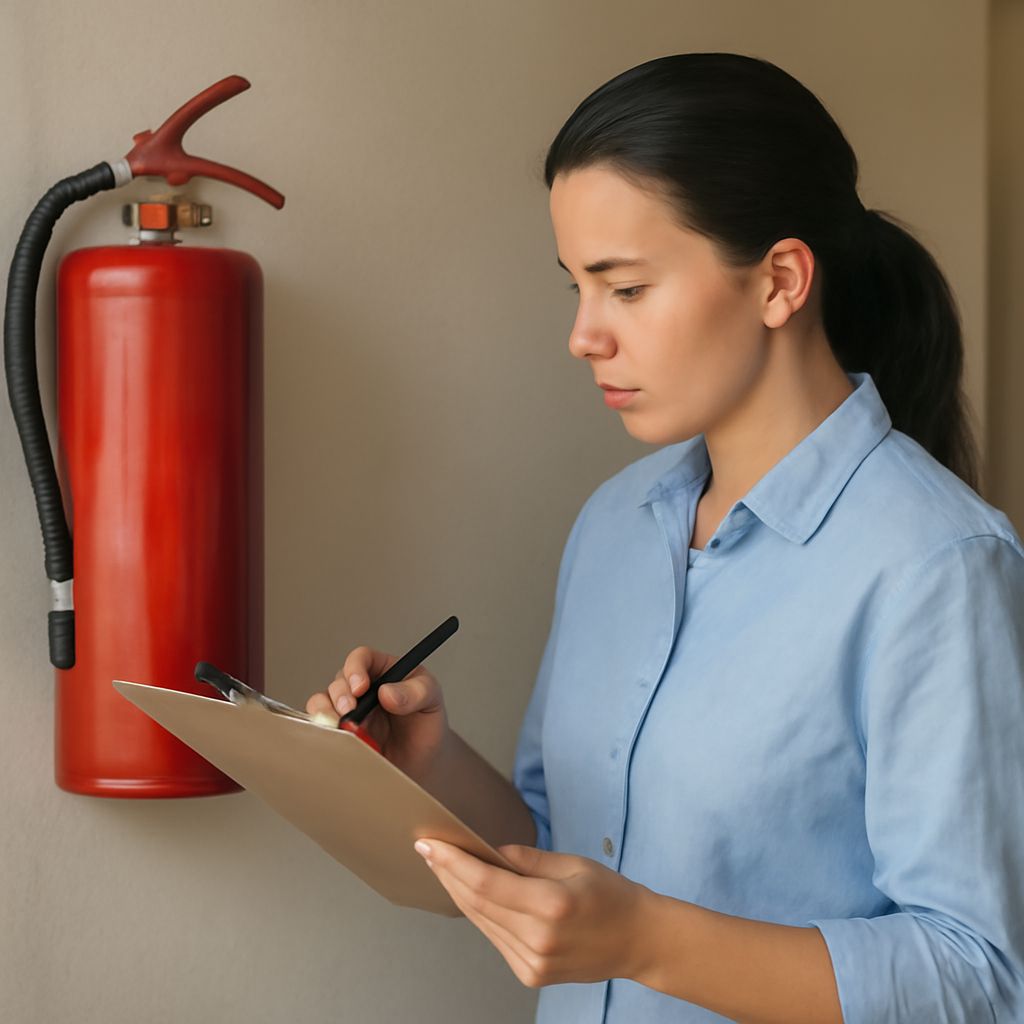
Effective fire extinguisher service involves a combination of user-level checks and professional interventions. Monthly user inspections should include verifying that units are fully charged, free from visible damage, and have unobstructed access. The pressure gauge must remain within the recommended range, and the maintenance tag should display a recent inspection date. Routine fire extinguisher maintenance also means ensuring that the operating instructions are legible and facing outward.
Professional service providers perform annual fire extinguisher inspection using specialized equipment. These experts assess the internal condition, test discharge functionality, and often conduct hydrostatic testing at mandated intervals. Technicians will also check for compliance with codes and update service records, contributing to a thorough maintenance history.
Storing extinguishers in locations susceptible to high humidity, vibration, or temperature extremes increases the need for ongoing checks. In such environments, increased fire extinguisher maintenance may be warranted to detect issues early. Always select certified providers for service and repair, as they follow manufacturer guidelines and applicable regulations. Proper disposal or recycling of obsolete or discharged units is also a best practice to maintain safety and environmental standards.
Understanding fire extinguisher maintenance schedules
Adhering to a consistent fire extinguisher maintenance schedule is essential to maintain both functionality and legal compliance. Standard protocols call for visual inspections by users every month. These checks should confirm that the extinguisher is in its intended location, shows no signs of misuse, and that the safety seal is intact. Such attention to detail ensures that subtle issues do not go unnoticed until an emergency arises.
Annual fire extinguisher inspection by licensed professionals goes beyond surface-level assessments. These evaluations include weight verification, internal examination, and mechanical tests to confirm readiness. Every six years, some types of extinguishers require internal examination or recharging, according to NFPA standards and manufacturer recommendations. Hydrostatic testing, which assesses the cylinder’s structural integrity, is performed every five or twelve years depending on extinguisher type.
Documenting each step of fire extinguisher service is crucial for both homeowners and businesses. Accurate records demonstrate compliance with fire safety regulations and support insurance claims in the event of a fire. Following the prescribed fire extinguisher maintenance schedule helps reduce liability and ensures that extinguishers will perform correctly when activated.
Where to get fire extinguishers inspected in your area
Finding reliable options for fire extinguisher inspection is important for residents and business owners seeking peace of mind. Local fire protection companies and specialized service providers offer on-site and off-site inspection services. These professionals are equipped to handle the full spectrum of fire extinguisher service, from routine checks to complex repairs. Many offer mobile services or scheduled visits, making fire extinguisher maintenance accessible and convenient.
To locate certified service providers, consult municipal fire departments, building management offices, or online directories specializing in fire safety. When evaluating a provider, verify their licensing, reputation, and familiarity with local fire codes. Providers should be able to offer proof of training and utilize approved fire extinguisher maintenance procedures. Some major retailers and hardware stores partner with certified technicians for in-store drop-off or inspection events.
Community resources, such as safety fairs or fire prevention weeks, may feature free or discounted fire extinguisher inspection opportunities. Regardless of where the service is obtained, maintaining a consistent fire extinguisher service schedule with a qualified provider is critical to overall safety and compliance.
Common questions about fire extinguisher inspection and service
Consumers often have questions about the frequency, cost, and process of fire extinguisher inspection. Typical queries include: “How often should my extinguisher be serviced?” and “Where can I find reputable service providers?” The answer depends on local fire codes, manufacturer guidelines, and environmental exposure. Most extinguishers require user checks monthly and professional servicing annually. Seeking out certified fire extinguisher service technicians ensures quality work and adherence to safety standards.
Another concern involves identifying when replacement or more advanced fire extinguisher maintenance is needed. Physical signs such as rust, leakage, or a damaged hose indicate immediate attention is necessary. If an extinguisher shows a discharged or low-pressure gauge, prompt service or replacement is recommended. For those unsure about their device’s status, a comprehensive fire extinguisher inspection by a trained professional can clarify its condition and serviceability.
Properly maintained fire extinguishers are a cornerstone of consumer safety, whether in a home, apartment, or workplace. Understanding maintenance schedules, seeking timely fire extinguisher service, and knowing where to get fire extinguishers inspected are fundamental steps. Staying informed and proactive reduces risk and supports a safer environment for everyone.