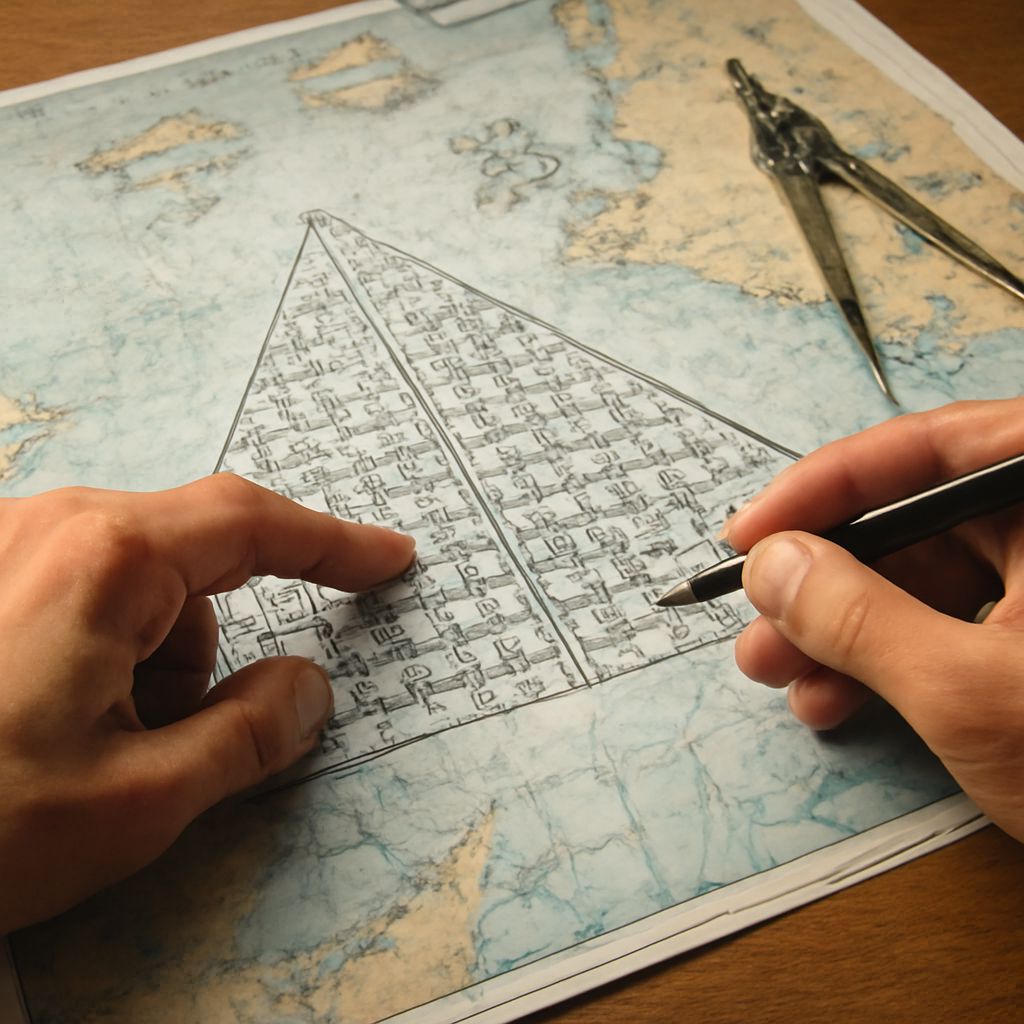
The nautical mile has long been a cornerstone in marine navigation, setting itself apart from the more commonly known land mile. This distinction is crucial for navigation and transportation across the globe, as the nautical mile vs mile debate sheds light on their unique roles. Understanding these differences is vital for anyone involved in navigation, logistics, or travel, and knowing when and how each measurement is used can simplify complex calculations and enhance precision in global positioning. As we delve deeper into the specifics of the nautical mile, its historical context, and practical applications, one will begin to appreciate the nautical mile’s essential place in contemporary navigation and beyond.
Introduction to nautical miles
Definition of a nautical mile
A nautical mile is a unit of measurement used predominantly in maritime and air navigation. It is defined as exactly 1,852 meters or about 6,076.1 feet. Unlike the land mile, which is 5,280 feet, the nautical mile is based on the circumference of the Earth. This measurement is determined by one minute of arc on the Earth’s surface, making it highly suitable for use in navigation across the world’s oceans.
Historical significance of the nautical mile
The nautical mile’s history is deeply intertwined with the development of navigation and exploration. Historically, sailors and explorers needed a consistent measurement that could be used over vast stretches of ocean. The nautical mile emerged as a solution, providing a standardized unit that could be easily correlated with navigational charts and maps. This historical context highlights the nautical mile’s importance as a tool for precision in the expansive and often unpredictable marine environment.
Nautical mile vs mile: A detailed comparison
Length differences
The most apparent difference in the nautical mile vs mile comparison is their length. While a land mile is 5,280 feet, the nautical mile is 6,076.1 feet. This discrepancy arises from their distinct purposes: the land mile is suited for terrestrial distances, whereas the nautical mile is ideal for maritime and aerial navigation due to its basis in the Earth’s geometry.
Usage in various fields
The application of the nautical mile extends beyond navigation. In aviation, it is the standard unit for measuring altitude and distance. Additionally, in the world of shipping and marine sciences, the nautical mile plays a critical role in charting courses and measuring distances. Conversely, the land mile remains prevalent in road transport and other terrestrial applications, illustrating a clear distinction in the mile vs nautical mile usage.
Why the nautical mile is important in navigation
Navigational charts and maps
Navigational charts are often scaled in nautical miles, as they represent the Earth’s surface in a way that aligns with the curvature and meridian distances. This linkage allows navigators to plot courses accurately, ensuring safe and efficient passage across oceans. The integration of nautical miles into these charts is a testament to their significance in maritime navigation.
Role in global positioning systems
In modern navigation, global positioning systems (GPS) utilize nautical miles for precise location tracking. The consistent measurement of distance provided by the nautical mile allows for accurate plotting of courses and waypoints. This functionality is crucial for both maritime vessels and aircraft, ensuring they stay on course and reach their destinations safely.
Difference between miles and nautical miles in everyday use
Implications for travelers
For travelers, the distinction between land miles and nautical miles can affect journey planning. Flights and sea voyages often reference nautical miles, requiring travelers to understand this measurement when interpreting travel details. This understanding can streamline travel planning and improve comprehension of distances involved in long-haul journeys.
Impact on transportation and logistics
In logistics, the choice between nautical miles and land miles can influence route planning and cost calculations. Shipping companies rely on nautical miles to estimate travel distances and times, which directly impacts fuel consumption and scheduling. Meanwhile, overland transport adheres to land miles, which are more applicable to road networks and urban planning.
Conclusion: Understanding the mile vs nautical mile debate
Summary of key differences
The nautical mile vs mile comparison highlights crucial differences in their lengths and applications. While the nautical mile is integral to marine and aerial navigation, the land mile remains dominant in terrestrial transport. These differences underscore the importance of selecting the right measurement for the right context.
Practical applications
Understanding when to use a nautical mile or a land mile can simplify complex calculations and improve precision in navigation and logistics. For those involved in these fields, mastering these measurements not only enhances operational efficiency but also ensures compliance with international standards.
Pro tips recap: The nautical mile is essential for maritime and aviation applications. Its use in global positioning and navigational charts underscores its importance. In contrast, the land mile is suited for terrestrial contexts. Recognizing these distinctions ensures accurate and efficient navigation and logistics operations.