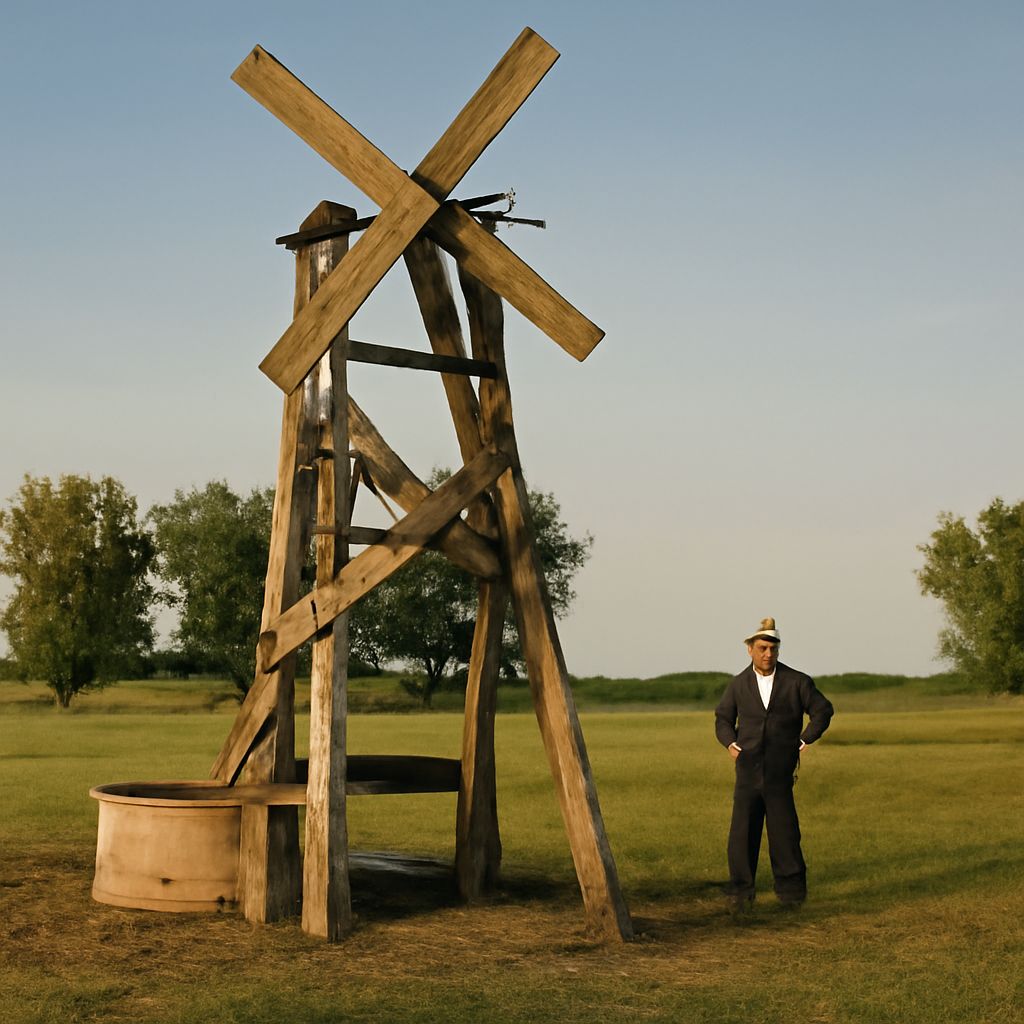
What are windmills for in the modern world? This question often sparks interest as windmills have been pivotal in harnessing the natural power of wind for centuries. From the time when windmills were invented to today’s advanced applications, windmills have played an essential role in agricultural, industrial, and renewable energy sectors. This article delves into the fascinating history of windmills and examines their evolving uses over time.
Introduction to windmills
Windmills are devices that convert wind energy into rotational energy through the use of blades or sails. These structures have been a significant part of human innovation, impacting numerous aspects of daily life. The origin and development of windmills reflect humanity’s quest to utilize natural resources efficiently. Understanding what windmills are used for sheds light on their lasting significance in both past and present contexts.
The invention of windmills
When were windmills invented?
The question of when windmills were invented can be traced back to the 7th century. Historical records indicate that the first windmills originated in Persia, where they were primarily used for grinding grain and pumping water. These early versions set the foundation for what would become a crucial technology in various cultures.
The first windmill and its significance
The first windmill marked a turning point in human ingenuity. It showcased the ability to harness natural forces to reduce manual labor. Its significance cannot be overstated, as it paved the way for later innovations in wind power technology. The evolution of the windmill is an example of how ancient inventions can lead to modern advancements.
Historical uses of windmills
What were windmills used for in the past?
In historical contexts, windmills had diverse applications. They were predominantly used for milling grain, which was essential for food production. Additionally, windmills were employed in water management, particularly in areas prone to flooding. These uses highlight the adaptability of windmill technology to different needs throughout history.
Agricultural and industrial applications
Agricultural and industrial applications of windmills were widespread. In agriculture, they facilitated the irrigation of fields and grinding of various crops. In industrial settings, windmills powered machinery for tasks such as sawing wood and processing raw materials. This innovation significantly boosted productivity and efficiency in these sectors.
Modern uses of windmills
What are windmills used for today?
Today, windmills have evolved into sophisticated machines known as wind turbines. These are primarily used for generating electricity, contributing significantly to renewable energy efforts. Modern wind turbines harness wind power to produce clean energy, reducing reliance on fossil fuels and decreasing environmental impact.
Renewable energy and environmental impact
The shift towards renewable energy sources has enhanced the importance of windmills in contemporary society. Wind power is a sustainable and eco-friendly solution to meet rising energy demands. The environmental impact of utilizing wind energy is minimal, making it a crucial component in combating climate change and promoting environmental sustainability.
Conclusion
From their inception to their current role in renewable energy, windmills have consistently demonstrated their value across various domains. The transition from traditional windmills to modern wind turbines represents a significant technological advancement. Understanding what windmills are for and their historical significance provides insight into how they continue to shape our world. As we move towards a more sustainable future, the role of windmills in energy production and environmental conservation remains vital.