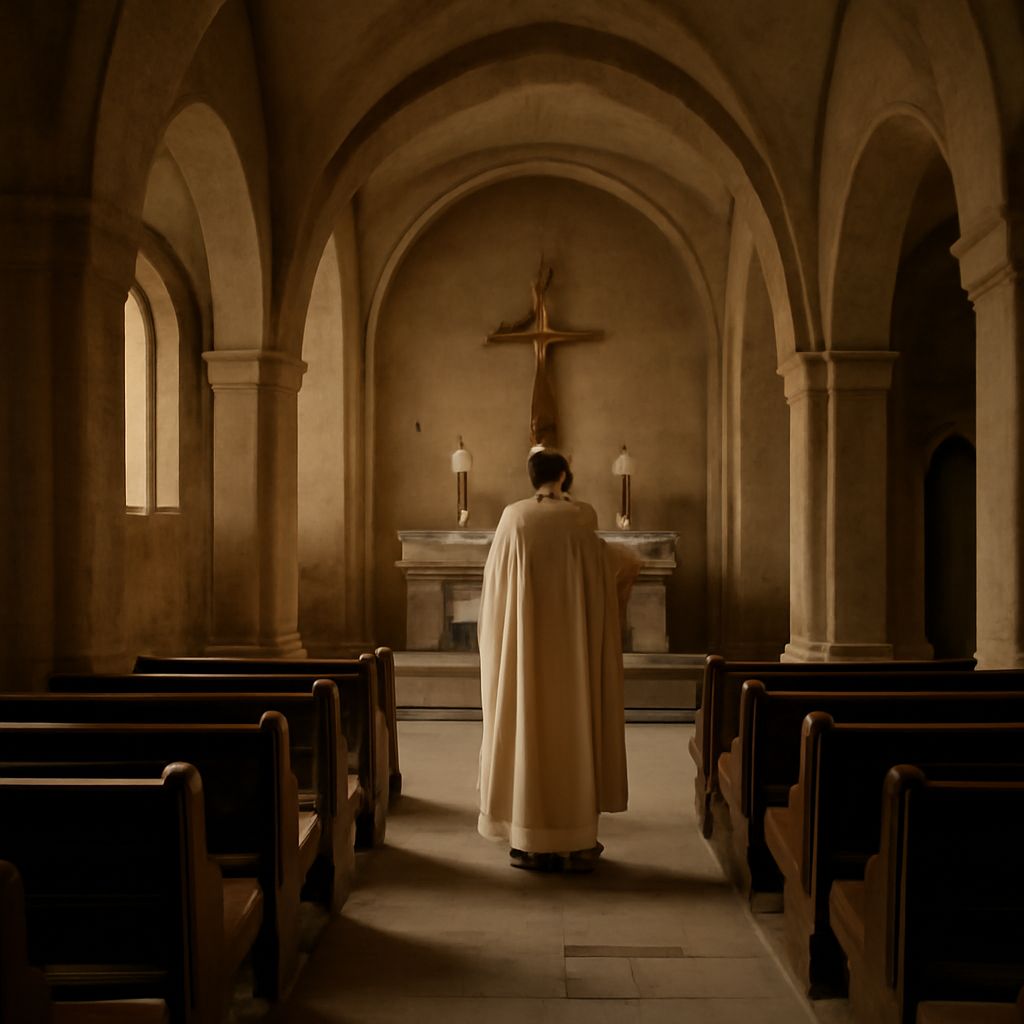
Churches have long been considered architectural marvels, with each part of a church offering unique insights into religious and cultural history. From the grandeur of cathedrals to the intimacy of chapels, these buildings serve not only as places of worship but also as repositories of art and tradition. By exploring the parts of a church interior, individuals can appreciate the intricate design and spiritual symbolism embedded within these sacred spaces. This guide delves into the fundamental components and more, ensuring a comprehensive understanding of their significance.
Understanding the basic parts of a church
Nave: The central space
The nave is often the largest and most prominent part of a church. It is the area where the congregation gathers, typically flanked by aisles. This central space not only accommodates worshippers but also serves as the main pathway leading to the altar. The architecture of the nave often emphasizes verticality, drawing the eyes upward, symbolizing the soul’s ascent to the divine. This part of a church interior is crucial for understanding the spatial dynamics of religious gatherings.
Apse and altar: The sacred focal point
Located at the eastern end of the church, the apse houses the altar, forming the sacred focal point of the building. The altar is where the Eucharist is celebrated, making it essential in Christian liturgy. Often semicircular, the apse may feature stunning mosaics or frescoes that highlight the spiritual significance of this space. This part of a church is designed to convey a sense of sacredness and reverence, underscoring its importance in worship practices.
Detailed insights into church parts
Transepts: The cross section
Transepts are the arms of the cross-shaped floor plan, intersecting the nave at a right angle. This section contributes to the cruciform layout of many traditional churches. Each transept may contain additional chapels or altars dedicated to specific saints or religious events. The design of transepts not only enhances the church’s structural beauty but also allows for increased space, facilitating larger congregational gatherings and processions.
Chancel: The clergy’s domain
The chancel is the area around the altar, often reserved for the clergy and choir. This section is typically elevated and separated from the nave by a screen or railing, emphasizing its distinct role within the church. Within the chancel, one might find the choir stalls and the bishop’s throne, central to the liturgical functions conducted there. The chancel’s design is crucial to maintaining the hierarchical structure inherent in church services.
Exploring the parts of a church interior
Pulpit and lectern: Where sermons are delivered
The pulpit is a raised platform from which sermons are delivered, symbolizing the importance of preaching in Christian worship. Often ornately decorated, the pulpit stands as a testament to the church’s commitment to spreading religious teachings. Nearby, the lectern is used for reading scripture during services. These elements are integral to the communicative function within parts of a church, facilitating the transmission of religious texts and doctrines to the congregation.
Stained glass windows: Artistry and storytelling
Stained glass windows are a hallmark of church architecture, combining artistry with storytelling. These windows depict biblical scenes or saints, casting colorful light into the interior. Beyond their aesthetic appeal, they serve an educational purpose, illustrating religious narratives for the congregation. In exploring the parts of a church interior, stained glass windows stand out as both visual and spiritual highlights, captivating visitors with their beauty and symbolic depth.
Parts of a chapel: A closer look
Small chapels in large churches
Within large churches, small chapels often serve specific purposes or honor particular saints. These chapels provide intimate spaces for prayer and reflection, distinct from the main congregation areas. Each chapel may feature its own altar and religious artwork, contributing to the overall spiritual diversity within the church. Understanding the role of these chapels offers insight into the personalized and communal aspects of worship.
Unique features of standalone chapels
Standalone chapels, often found in secluded or scenic locations, present unique architectural and spiritual characteristics. Unlike large churches, these chapels might focus more on simplicity and introspection. They often cater to specific communities or functions, such as weddings or memorials. The design and usage of standalone chapels emphasize their role as serene retreats, offering a distinct contrast to the grandeur of larger ecclesiastical structures.