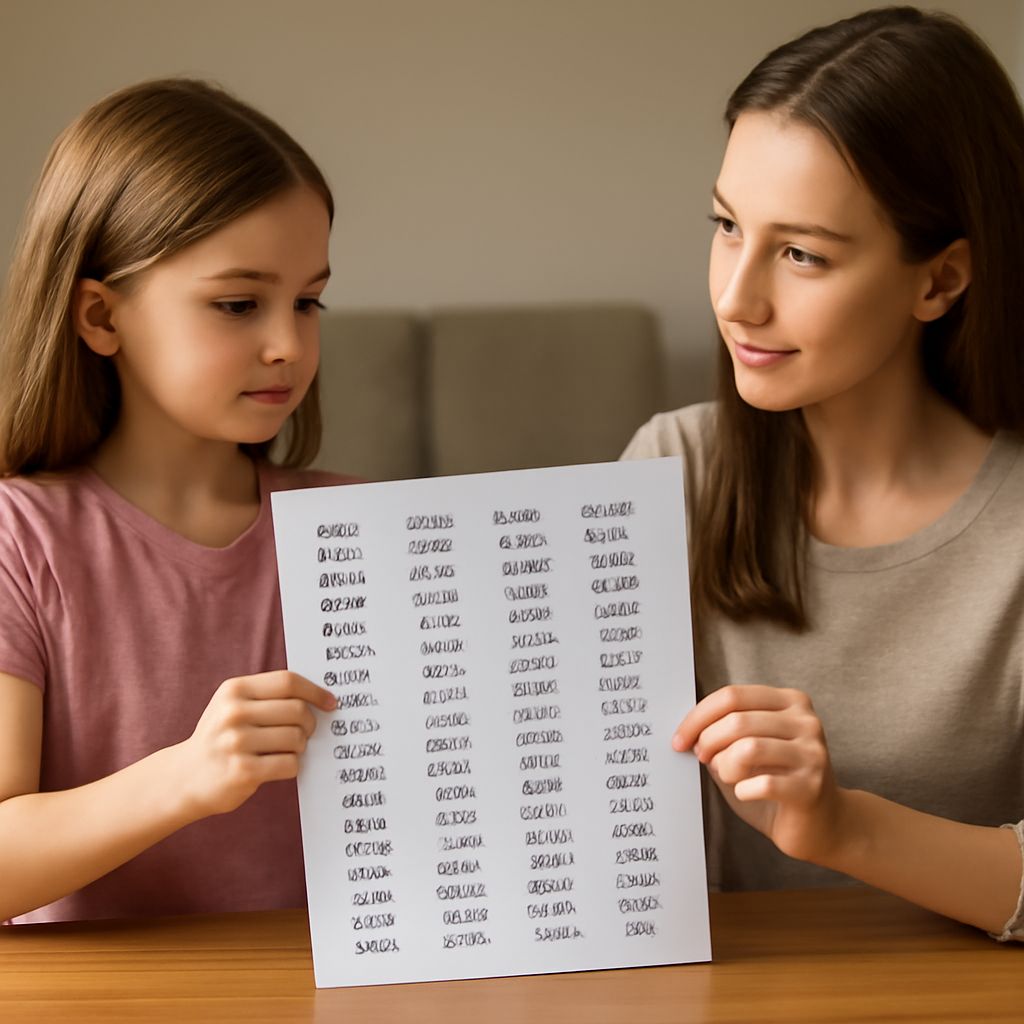
Teaching children to read effectively involves introducing them to a sight words list, an essential component in early literacy development. Sight words are often referred to as high frequency words due to their prevalence in text, allowing children to recognize these words easily and boost reading fluency. Exploring an indispensable high frequency word list provides effective learning strategies that enhance children’s ability to read smoothly and comprehend texts better.
Understanding sight words and high frequency words
Definition of sight words
Sight words are words that children are encouraged to recognize on sight, rather than decode using phonics. These are typically words that appear frequently in written material, thus requiring swift recognition to aid in fluent reading. Sight words are integral to early reading programs, helping children to develop automaticity and confidence in their reading abilities.
Definition of high frequency words
High frequency words are those that appear most often in English texts. They are a subset of sight words but are characterized by their repetitive occurrence in everyday language. Learning high frequency words helps children to quickly understand sentences, as these words often serve as grammatical connectors or common nouns and verbs.
Importance in learning
The significance of sight words and high frequency words in learning is profound, as they form the foundation for reading fluency. Early readers who master these words can transition more smoothly into complex reading tasks. This fluency supports better comprehension, allowing children to focus on understanding content rather than struggling with basic word recognition.
Building a sight words list
Creating an effective list
To create an effective sight words list, educators should compile words based on their frequency in texts relevant to the child’s age and reading level. A balanced list includes a mix of common connectors, essential verbs, and frequently used nouns. These lists should be tailored to address the specific needs and contexts of young readers.
Adapting the list for different ages
Adapting a sight words list to suit different ages is crucial for effective teaching. Younger children may start with basic words like “the,” “and,” or “is,” while older students can progress to more complex words. Customizing lists based on age ensures that learning remains engaging and appropriately challenging, aiding in the development of literacy skills at a suitable pace.
Strategies for teaching high frequency words
Interactive learning techniques
Interactive learning techniques play a vital role in teaching high frequency words. Activities such as word games, flashcards, and group reading exercises encourage children to engage actively with the words. These techniques make learning sight words fun and memorable, fostering a positive attitude towards reading.
Incorporating technology
Incorporating technology into teaching high frequency words can enhance learning experiences. Digital tools and apps offer interactive ways to practice and reinforce sight words, providing instant feedback and creative exercises. Technology can also cater to individualized learning paths, allowing children to progress at their own pace.
Benefits of using a list of sight words
Improving reading fluency
Using a list of sight words is crucial for improving reading fluency. Children who can quickly recognize these words are able to read sentences more smoothly and with greater expression. This fluency contributes to a more enjoyable and efficient reading experience, promoting a lifelong love of reading.
Enhancing comprehension skills
Enhancing comprehension skills is another benefit of using a sight words list. As children become adept at recognizing high frequency words, they can focus more on understanding the meaning of texts. This improved comprehension is essential for academic success and helps children to extract deeper meanings from what they read.
Challenges and solutions in teaching high frequency words
Common obstacles
Teaching high frequency words can present certain challenges, such as student frustration with memorization or difficulty retaining the words. Additionally, some children might find it hard to connect sight word learning with overall reading progress, leading to a lack of motivation.
Practical solutions
Practical solutions to these challenges include incorporating varied teaching methods and encouraging consistent practice. Using visual aids, creating word-rich environments, and providing regular reinforcement can help children overcome hurdles in learning sight words. Tailoring teaching approaches to individual student needs also boosts engagement and retention.
Resources for expanding your list of high frequency words
Online tools
Numerous online tools are available to aid in expanding a list of high frequency words. Websites offer downloadable lists, interactive games, and lesson plans that support teaching strategies. These resources help educators and parents build comprehensive sight word lists and explore innovative ways to teach them effectively.
Books and materials
Books and materials dedicated to sight words and high frequency words are valuable resources for educators and parents. They provide structured lists, teaching tips, and engaging activities designed to enhance word recognition skills. Utilizing these materials can enrich children’s learning experiences and contribute significantly to their reading development.