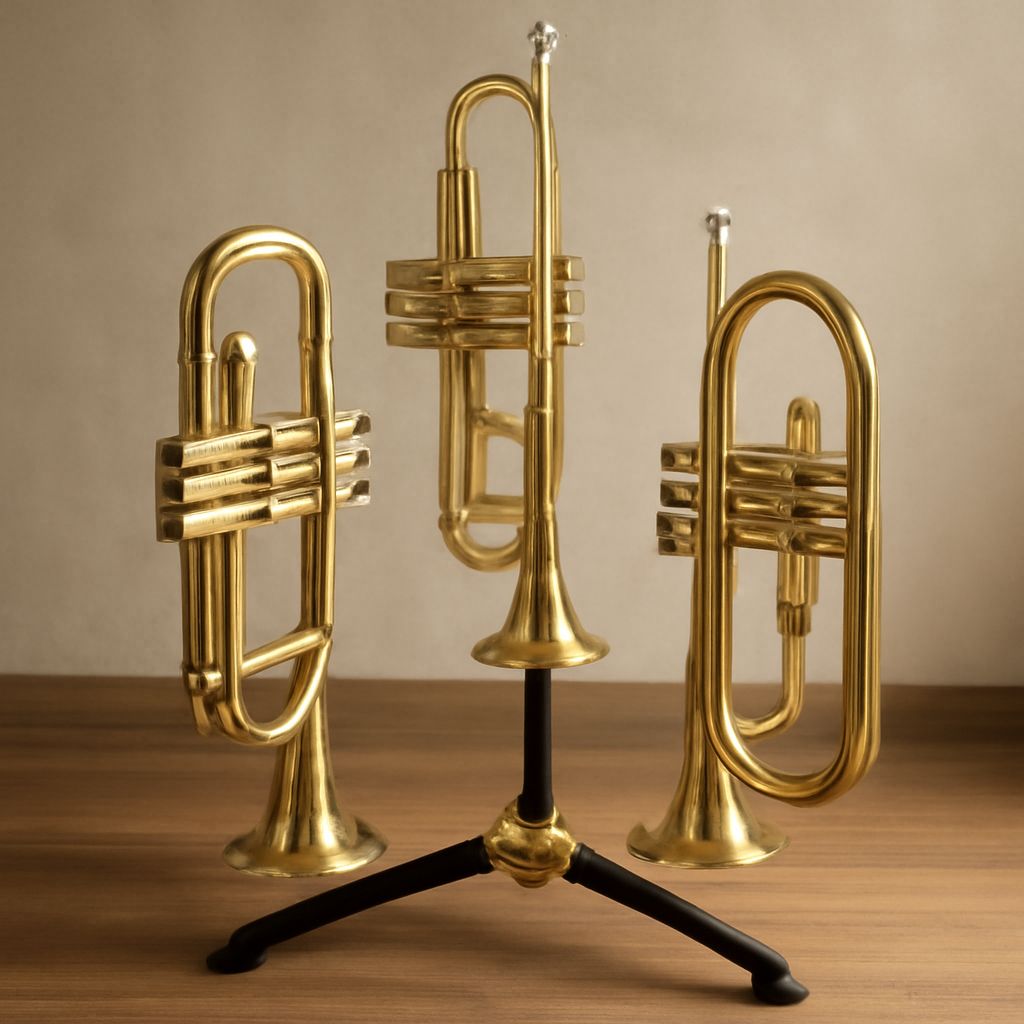
Trumpets hold a prominent place in the world of music, offering various kinds and types that cater to a diverse range of musical styles and genres. Different types of trumpets, such as the Bb trumpet and C trumpet, have evolved over time, each serving unique purposes and presenting distinct characteristics. This exploration of different trumpets aims to guide enthusiasts in choosing the best fit for their musical journey, whether it’s for classical performances, jazz improvisation, or other musical endeavors.
Introduction to types of trumpets
Why are trumpets popular?
Trumpets are celebrated for their bright, powerful sound and versatility, making them a staple in orchestras, jazz bands, and even marching ensembles. Their ability to produce a wide range of tones and dynamics allows musicians to express varied emotions and concepts, contributing to their popularity across different music genres.
Brief history of trumpets
The trumpet’s history spans centuries, originating in ancient civilizations as signaling instruments. Over time, trumpets have transformed through technological advancements, resulting in the modern varieties we know today. The inclusion of valves in the 19th century marked a significant evolution, enabling trumpeters to perform complex music with greater ease.
The standard Bb trumpet
Characteristics of the Bb trumpet
The Bb trumpet is the most common type, renowned for its versatility and ease of play. It is pitched in B-flat, meaning its fundamental note is B-flat. Its bright and clear tone makes it ideal for various music genres, from symphonic pieces to jazz solos.
Popular uses for the Bb trumpet
The Bb trumpet is a preferred choice for many due to its adaptability. It is widely used in orchestras, concert bands, and jazz ensembles. Musicians appreciate its ability to blend seamlessly with other instruments while also providing solo capabilities that are both dynamic and harmonious.
Exploring different types of trumpets
The C trumpet
The C trumpet, set in the key of C, is favored by classical musicians for its precise intonation and clarity. Unlike the Bb trumpet, it does not require transposition, making it suitable for orchestral performances where exact pitch is crucial.
The piccolo trumpet
The piccolo trumpet is the smallest in the trumpet family, often pitched in B-flat or A. Its higher pitch and unique timbre are perfect for baroque and classical music, allowing musicians to reach notes that other trumpets cannot.
The flugelhorn
The flugelhorn stands out with its rich, mellow sound, making it a preferred choice for jazz and brass bands. It resembles the Bb trumpet but with a wider, conical bore that produces a softer tone, ideal for lyrical passages.
Specialty and unique trumpets
The bass trumpet
The bass trumpet is pitched one octave lower than the standard Bb trumpet, providing a deeper, more resonant sound. It is employed in orchestral settings and film scores where a robust bass line is required.
The pocket trumpet
The pocket trumpet offers the full range of a Bb trumpet but in a compact size, making it convenient for travel and practice. Despite its small stature, it produces a sound comparable to its larger counterpart, making it a favorite among musicians on the go.
Choosing the right trumpet for you
Consider your musical style
Selecting the appropriate trumpet involves understanding one’s musical style and preferences. Players focused on classical music may prefer the C trumpet for its accuracy, while jazz enthusiasts might gravitate towards the Bb trumpet or flugelhorn for their tonal qualities.
Budget and quality considerations
When choosing a trumpet, budget and quality are critical factors. Beginners might opt for affordable, starter models, while professionals may invest in high-quality, handcrafted trumpets that offer superior sound and durability.
Conclusion: Embracing the diversity of trumpets
Summary of types
The world of trumpets is rich with diversity, from the versatile Bb trumpet to specialty instruments like the bass and piccolo trumpets. Each type serves a distinct purpose, offering unique sounds that can enhance various musical styles.
Final thoughts
Embracing the different kinds of trumpets opens up a myriad of opportunities for musical expression. Musicians are encouraged to explore these varieties to find the type of trumpet that best aligns with their artistic goals and preferences.
Pro tips recap: Understanding the characteristics and uses of different types of trumpets, considering one’s musical style, and evaluating budget and quality are key steps in selecting the right instrument. This approach ensures a fulfilling and tailored trumpet-playing experience.