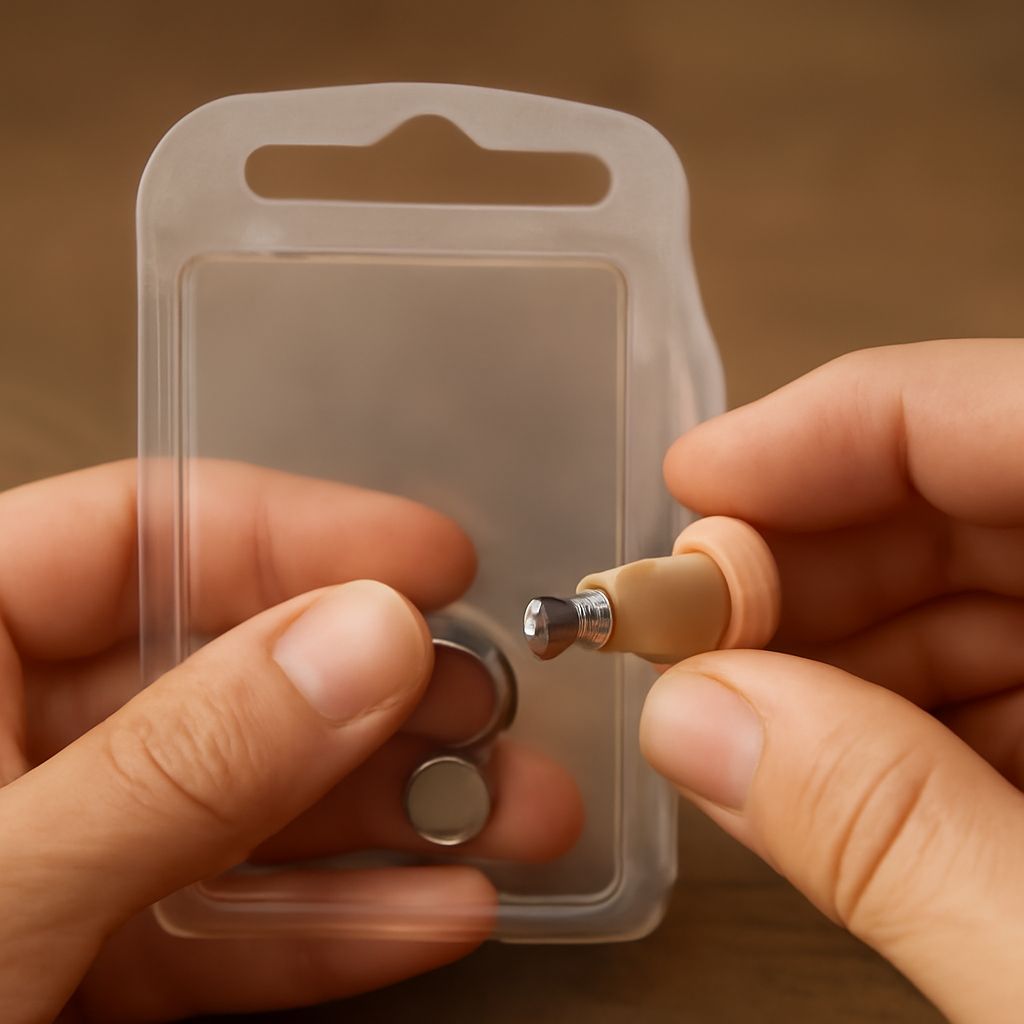
Hearing aid batteries play a crucial role in the performance and reliability of hearing aids. For those relying on these devices, choosing the right batteries for hearing aids is essential to ensure consistent auditory support. Among the various options available, the 312 hearing aid battery stands out for its popularity. This article will explore different types of hearing aid batteries, guide you in choosing the right one, and offer tips on how to maximize their lifespan. Additionally, we will address common issues associated with hearing aid batteries and provide solutions to keep your devices running smoothly.
Understanding different types of hearing aid batteries
Zinc-air batteries
Zinc-air batteries are a common choice for hearing aids due to their long shelf life and energy efficiency. These batteries are activated by air, which begins when the tab is removed, allowing oxygen to enter and initiate the chemical reaction. The popularity of the 312 hearing aid battery can be attributed to its zinc-air composition, which provides a stable power supply.
Other sizes, such as size 10 and size 13, also utilize zinc-air technology. Each size offers different power capacities and lifespans, catering to various hearing aid models and user needs. It is important to understand the specific requirements of your hearing aid to choose the right battery size.
Rechargeable options
Rechargeable batteries are becoming increasingly popular as an eco-friendly and convenient alternative to disposable zinc-air batteries. These batteries are typically lithium-ion or silver-zinc and can be charged overnight for daily use. Choosing rechargeable batteries can reduce waste and often result in lower long-term costs.
While rechargeable options may not yet match the availability of traditional zinc-air batteries, advancements in technology are expanding their compatibility with a wider range of hearing aids. Users should consider whether their device supports rechargeable options when evaluating battery choices.
How to choose the right hearing aid battery
Consider your hearing aid model
Identifying the type of hearing aid you use is the first step in selecting the appropriate battery. Different models require different power specifications, which dictate the compatible battery size. For example, many smaller hearing aids use the 312 hearing aid battery due to its compact size and reliable performance.
Consulting the user manual or contacting the device manufacturer can provide clarity on the best battery type for your hearing aid. Ensuring compatibility is crucial to avoid performance issues and potential damage to the device.
Lifestyle and environmental factors
Lifestyle and environmental factors can influence battery selection. Active individuals or those who spend a lot of time outdoors may benefit from batteries with longer lifespans and durable performance. Similarly, users in humid climates might opt for batteries designed to withstand moisture and temperature variations.
Considering these factors can help users choose batteries that align with their daily activities and environmental conditions, ensuring consistent and reliable device operation.
Maximizing the lifespan of your hearing aid batteries
Proper storage
Storing hearing aid batteries correctly can significantly extend their lifespan. Batteries should be kept in a cool, dry place, away from metal objects that could cause a short circuit. For zinc-air batteries, keeping the tab on until ready to use is essential to prevent premature activation.
When storing rechargeable batteries, follow the manufacturer’s guidelines for optimal storage conditions and charge cycles to maintain battery health.
Handling and usage tips
Avoid touching batteries with wet or greasy hands, as this can transfer moisture or oils that may lead to corrosion. Always handle batteries with clean, dry hands and use them in their designated slots.
Regularly cleaning the battery compartment of your hearing aid can prevent buildup that might hinder performance. Additionally, removing batteries when not in use can reduce drain and extend overall battery life.
Common issues with hearing aide batteries and solutions
Battery life inconsistencies
Inconsistent battery life can be frustrating. Variations in usage patterns, volume levels, and environmental noise can all impact how long a battery lasts. Keeping track of usage habits and adjusting settings appropriately can help mitigate these issues.
Using a reliable brand and ensuring proper storage and handling can also contribute to more consistent battery performance.
Corrosion and leakage
Corrosion and leakage are common problems that can damage hearing aids. To prevent these issues, regularly inspect batteries and compartments for any signs of moisture or residue. Cleaning the compartment and replacing batteries showing signs of wear can prevent further damage.
If corrosion occurs, carefully clean the affected area with a cotton swab and a small amount of vinegar before inserting new batteries.
Exploring the 312 hearing aid battery
Why it’s popular
The 312 hearing aid battery is popular due to its compact size and reliable energy output, making it suitable for many small hearing aid models. Its zinc-air composition provides a steady power supply essential for consistent device performance.
Additionally, the widespread availability and competitive pricing of the 312 battery make it a preferred choice among users and manufacturers alike.
Comparisons with other sizes
Compared to other sizes like size 10, 13, or 675, the 312 hearing aid battery offers a balanced compromise between power capacity and size, fitting a broad range of models.
Users must weigh factors such as device size and power requirements when choosing between different battery sizes to ensure optimal performance.
FAQs about batteries for hearing aids
How often should you change them?
The frequency of changing hearing aid batteries depends on factors such as battery size, usage, and hearing aid type. On average, a 312 hearing aid battery might last 3 to 10 days, while larger sizes may offer longer life.
Maintaining a consistent schedule for battery replacements can help avoid sudden power losses and ensure seamless operation.
What to do with used batteries?
Proper disposal of used batteries is essential to avoid environmental harm. Many communities offer battery recycling programs, allowing for responsible disposal.
Check local regulations and recycling options to dispose of batteries correctly and support environmental sustainability.
Next steps
To maintain the optimal performance of your hearing aids, regular monitoring and timely battery replacements are key. Consider keeping a log of battery changes and any issues encountered to better understand your device’s needs. Stay informed about the latest advancements in battery technology to ensure you are using the most effective and eco-friendly options available.