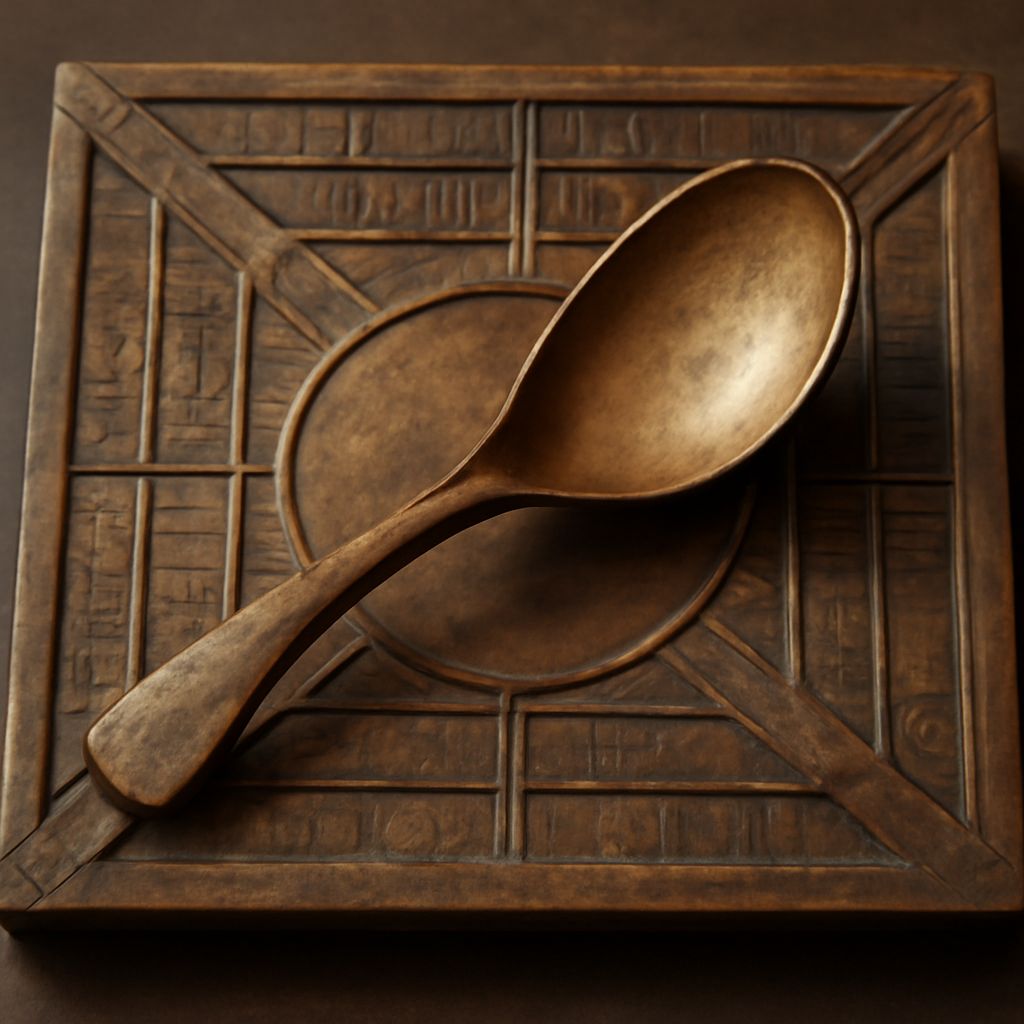
The compass, a crucial navigational tool, has an extensive history that has shaped human exploration and scientific progress. Understanding when the compass was invented involves delving into the ancient origins of the compass, exploring its development over centuries, and identifying key figures who contributed to its invention. This exploration addresses questions like who invented the compass and the significance of this invention in different eras. From the first compass to its modern adaptations, examining the compass’s journey reveals its profound impact on technology and navigation throughout history.
The ancient origins of the compass
Early uses of the compass Long before the magnetic compass became a staple in navigation, early forms of direction-finding tools were used by ancient civilizations. The first compass was most likely a simple lodestone used in China during the Han Dynasty around the 2nd century BCE. These early navigational aids were rudimentary but laid the groundwork for the compass’s development into a reliable tool.
Other ancient cultures also explored methods of orientation using the stars and the positioning of celestial bodies. The first compass as we recognize it today was not yet in existence, but these early tools paved the way for future advancements in directional technology.
Cultural significance in ancient civilizations
The cultural significance of early navigational devices, like the lodestone compass, can be seen in their use in various forms of Chinese geomancy and divination. These tools were not only practical for navigation but also held spiritual value, influencing societal practices and beliefs. Ancient Mediterranean cultures also experimented with similar technologies, refining them over the centuries.
Understanding who invented the compass and its cultural implications involves recognizing its multifaceted role in ancient societies. It was not merely a tool for travel but a symbol of exploration and knowledge.
When was the first compass invented?
Chronological timeline
The timeline of the compass’s invention begins in ancient China, evolving significantly during the Song Dynasty (960-1279 CE) when the first compass with a needle was documented. This period saw the transition from lodestone-based devices to the magnetic needle compass, marking a pivotal moment in navigational history.
By the 12th century, the technology spread to Europe and the Arab world, where further refinements were made. The first compass as a magnetic needle device became prevalent among mariners, facilitating safer and more accurate voyages across unfamiliar seas.
Technological advancements in compass design
The invention of the compass underwent numerous technological advancements over the centuries. Initial designs were improved upon with the addition of protective compass cases and more precise needle balancing. These enhancements allowed for increased accuracy and reliability, which were crucial for long-distance maritime exploration.
As time progressed, the magnetic compass was integrated into more complex navigation systems, including the development of dry compasses and later, liquid-filled compasses that minimized needle fluctuations. These technological strides made the compass indispensable for maritime and terrestrial navigation.
Who invented the compass?
Key figures in the invention of the compass
While the exact identity of who invented the compass remains unclear, historical records suggest significant contributions from Chinese inventors and scholars. The Song Dynasty is often credited with refining the compass needle, making it a pivotal tool for navigation.
In Europe, figures such as Flavio Gioja of Amalfi have been mistakenly credited with the invention. Still, these claims often reflect cultural exchanges rather than individual genius. The evolution of the compass is a testament to collective and cross-cultural innovation rather than a single inventor’s work.
Debates and myths surrounding the inventors
Myths and debates persist about the precise inventors of the compass. Some legends suggest it was first conceptualized by ancient Greeks, while others attribute it to earlier Arab scientists. These narratives highlight the complexity and shared knowledge inherent in the compass’s history.
Despite these debates, the significance of the compass as a shared invention across different cultures cannot be overstated. Its development exemplifies how scientific and technological progress often results from collaborative efforts rather than isolated discovery.
The invention of the compass and its impact
Transformations in navigation and exploration
The invention of the compass revolutionized navigation, transforming how humans explored the world. It enabled mariners to traverse vast oceans with greater confidence, reducing reliance on coastal landmarks and stars. This transformation not only expanded trade routes but also facilitated cross-cultural exchanges.
Explorers such as Christopher Columbus and Vasco da Gama heavily relied on the compass, underscoring its role in the Age of Discovery. The compass’s impact on navigation was monumental, fostering unprecedented global connections and interactions.
Influence on scientific and technological progress
Beyond navigation, the compass influenced various scientific fields, contributing to the development of physics and magnetism. Understanding magnetic fields and the Earth’s magnetic properties were direct results of compass-related studies, leading to advances in other areas of science.
The compass’s invention also stimulated technological innovation, inspiring the creation of related devices and instruments that furthered human understanding of the natural world. Its impact resonates through scientific and technological history, illustrating its enduring legacy.
The compass in the digital age
Modern adaptations and digital references
In the digital era, the compass has been adapted into electronic and digital forms, integrated into GPS systems and smartphones. These modern adaptations ensure the compass remains relevant, providing users with precise orientation data at their fingertips.
The digital transformation of the compass highlights its adaptability, showing how ancient tools can be reimagined to meet contemporary needs. These advancements continue to enhance navigation technologies, making them more accessible and efficient.
The role of the compass in contemporary technology
Today, the compass plays a crucial role in contemporary technology, supporting applications in geographic information systems (GIS) and augmented reality. Its integration into digital platforms exemplifies its enduring utility and significance.
As technology evolves, the compass remains a fundamental component, bridging ancient innovations with modern scientific and technological ecosystems. Its journey from lodestone to digital device underscores its timeless importance in guiding human exploration and understanding.