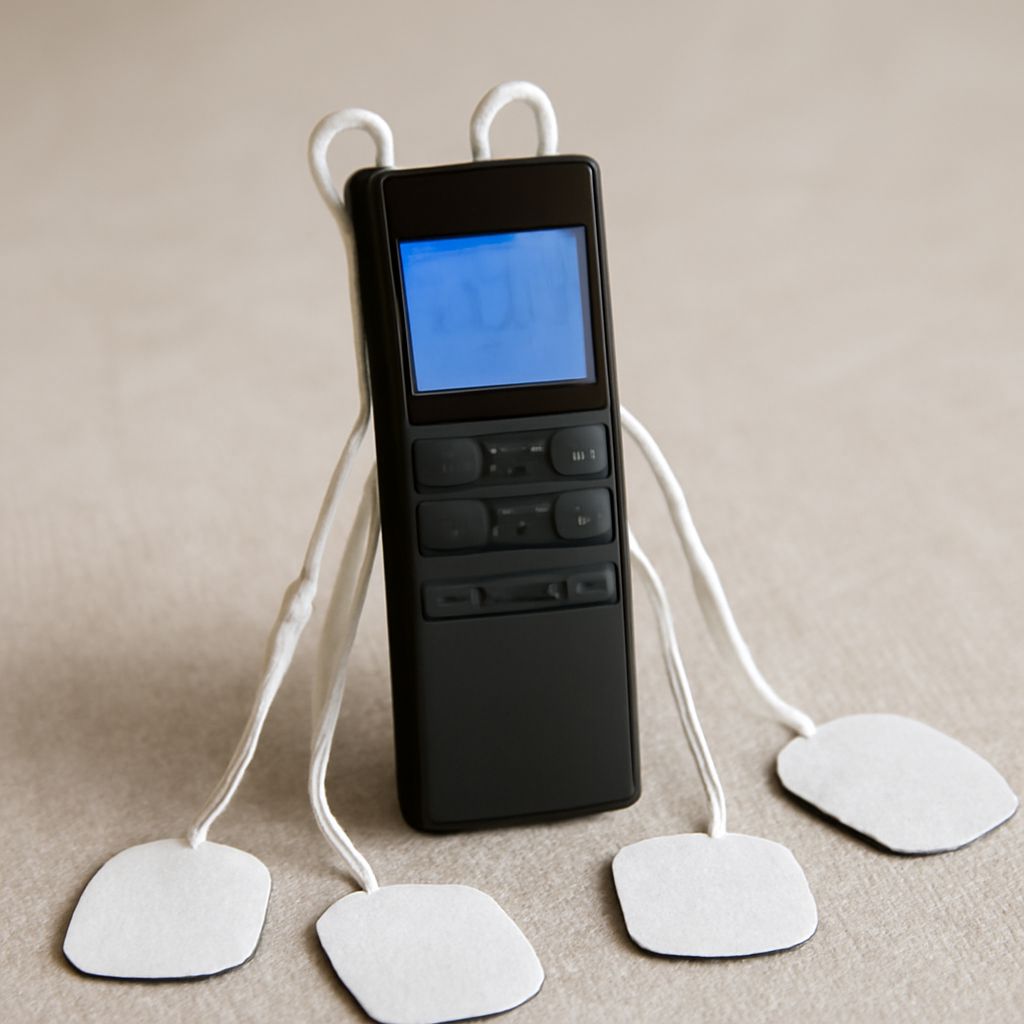
Electrical muscle stimulation machines, also known as e-stim machines or stim units, are transforming the way athletes and individuals approach muscle recovery and strengthening. These devices offer innovative solutions by engaging muscles through electrical impulses, encouraging faster recovery and enhanced performance. With varying types and features available, selecting the right stim machine requires understanding its mechanics and benefits. This article delves into the core aspects of these powerful tools, examining their scientific foundation and practical application.
Understanding the stim machine
What is a stim machine?
A stim machine is a device that uses electrical impulses to stimulate muscle contractions. It functions by sending electrical signals through electrodes placed on the skin, directly engaging muscles without the need for physical exertion. This technology is widely used in physical therapy, sports rehabilitation, and fitness training.
How does a stim machine work?
The primary mechanism of a stim machine involves the transmission of electrical current to targeted muscle groups. This process mimics the natural signals sent by the nervous system, causing muscles to contract and relax in a controlled manner. By altering the frequency and intensity of these impulses, different effects such as muscle strengthening, pain relief, and recovery acceleration can be achieved.
Key benefits of using a stim machine
One of the main advantages of using an electrical muscle stimulation machine is its ability to enhance muscle recovery. Athletes often experience reduced muscle soreness and faster healing times, which can be attributed to increased blood circulation and nutrient delivery to the affected areas. Additionally, e-stim units are known to improve muscle strength and endurance by activating muscle fibers that are usually underutilized during conventional exercises. These devices also offer pain management benefits, making them a versatile tool for both athletic and therapeutic purposes.
Comparing electrical muscle stimulation machines
Different types of e-stim machines
There are various types of stim units available, each designed for specific purposes. Transcutaneous Electrical Nerve Stimulation (TENS) units, for instance, are primarily used for pain relief, whereas Neuromuscular Electrical Stimulation (NMES) devices focus on muscle strengthening and rehabilitation. Additionally, some e-stim machines combine both TENS and NMES functionalities, offering a comprehensive approach to muscle stimulation.
Features to consider when choosing a stim unit
When selecting a stim machine, it is crucial to consider factors such as the device’s intensity levels, program variety, and ease of use. Adjustable intensity settings are essential for tailoring the treatment to individual needs, while diverse programs can cater to different muscle groups and objectives. Furthermore, user-friendly interfaces and portable designs enhance the overall usability and convenience of e-stim units.
The science behind e-stim machines
How e-stim units engage muscles
Electrical muscle stimulation machines engage muscle fibers by sending low-level electrical currents to targeted areas. This external stimulation bypasses the brain’s usual pathways, directly activating motor neurons and causing muscle contractions. The result is a workout for the muscles that can be controlled and customized to suit different training goals.
Research supporting e stim units
Numerous studies have highlighted the efficacy of e-stim machines in enhancing muscle recovery and strength. Research indicates that these devices can significantly reduce recovery time by promoting better circulation and reducing inflammation. Additionally, findings suggest that regular use of stim machines can lead to marked improvements in muscle functionality and performance, particularly when integrated with traditional training methods.
Using a stim unit safely
Guidelines for beginners
For those new to e-stim machines, it is essential to start with low intensity settings and gradually increase as the body adapts. Ensuring proper electrode placement is also crucial for achieving optimal results and avoiding potential discomfort. Beginners should consult with healthcare professionals or certified trainers to gain insights into the correct usage and settings appropriate for their specific needs.
Common mistakes to avoid
Common errors include using stim units on broken skin, near the head or heart, or for prolonged periods without breaks. Misplacing electrodes can lead to ineffective or uncomfortable sessions. Users must adhere to the manufacturer’s guidelines and avoid over-reliance on electrical muscle stimulation machines alone for muscle development, as these devices work best when complemented with regular physical activity.
Incorporating stim machines into your routine
Best practices for effective use
For effective integration of stim machines into a fitness routine, users should establish clear objectives, such as increasing strength or expediting recovery post-exercise. Consistent scheduling and varied program usage can maximize benefits, while routine assessments ensure progress tracking and adjustment of settings as needed.
Combining stim units with other training methods
Stim units can be effectively combined with other forms of exercise to enhance overall performance. For instance, integrating e-stim sessions with strength training or aerobic exercises can lead to synergistic effects, promoting better muscle conditioning and endurance. Collaborating with fitness professionals can provide personalized strategies for leveraging these devices alongside conventional workouts.