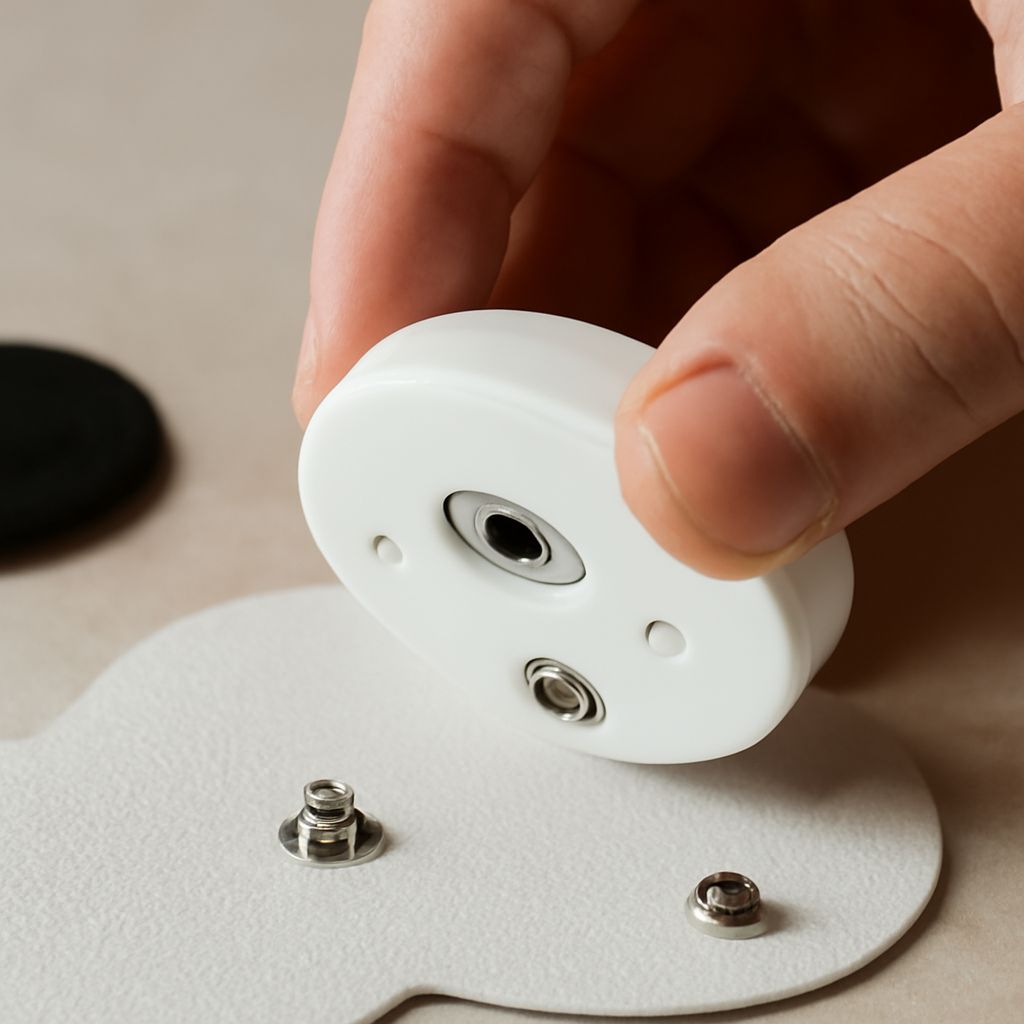
Living with sciatica can be a challenging experience, as the pain often interferes with daily activities. A tens machine for sciatica offers an effective solution for alleviating this discomfort. Understanding how to use a tens unit for sciatica can significantly enhance its benefits. This guide delves into the intricacies of tens sciatica therapy, providing insights into how it can be used for optimal relief. By exploring the causes and symptoms of sciatica and comparing various tens units, individuals can find the most suitable option for their needs.
Understanding sciatica and its symptoms
What causes sciatica?
Sciatica is primarily caused by irritation or compression of the sciatic nerve, often due to a herniated disc or spinal stenosis. Other potential causes include injury, pregnancy, and muscle spasms. These conditions can put pressure on the nerve roots, resulting in pain that radiates from the lower back down through the legs.
Common symptoms of sciatica
The symptoms of sciatica typically include sharp pain in the lower back, buttock, and leg. Patients may also experience numbness, tingling sensations, and muscle weakness. These symptoms can vary in intensity, often worsening with prolonged sitting or sudden movements.
How a tens unit helps alleviate sciatica pain
Mechanism of a tens unit
A tens unit works by delivering low-voltage electrical currents to the skin, which stimulates nerves and reduces pain signals to the brain. This process is known as transcutaneous electrical nerve stimulation. It can be particularly effective for sciatica pain, as it targets the affected nerve pathways directly.
Benefits of using a tens unit for sciatica
The primary benefit of using a tens unit for sciatica is pain relief. It is a non-invasive method that can be used alongside other treatments. Additionally, it may help improve mobility and reduce the reliance on pain medications, which can have undesirable side effects.
How to use a tens unit for sciatica
Setting up the tens unit
Before using a tens unit, it is important to read the manual and familiarize oneself with the device. Ensure the unit is fully charged or has fresh batteries. Select the appropriate settings as per the recommendation of a healthcare provider.
Correct placement of electrodes
Proper placement of electrodes is crucial for effective tens sciatica therapy. Place the electrodes on the lower back where the pain begins, and along the path of the sciatic nerve down the leg. This strategic positioning helps maximize pain relief.
Recommended usage duration
It is generally advisable to use the tens unit for 20 to 30 minutes per session, up to three times a day. However, the exact duration may vary based on individual needs and should be discussed with a healthcare provider.
Safety tips for using a tens machine for sciatica
Who should avoid using a tens unit?
Individuals with pacemakers, epilepsy, or those who are pregnant should consult a healthcare professional before using a tens machine for sciatica. It is also important to avoid placing electrodes on broken skin or directly over the spine.
Possible side effects
While tens units are generally safe, some users may experience skin irritation or discomfort. Adjusting the intensity of the electrical impulses can help mitigate these issues. If side effects persist, discontinue use and seek medical advice.
Comparing tens units: Finding the best tens unit sciatica
Key features to consider
When selecting the best tens unit sciatica, consider features such as adjustable intensity levels, multiple modes, and portability. Rechargeable units and those with a variety of electrode placement options are often more versatile and user-friendly.
Top-rated tens units for sciatica
Several tens units are highly rated for relieving sciatica pain. Brands like iReliev, TENS 7000, and HealthmateForever are popular choices, offering customizable settings and durable designs. Evaluating customer reviews and consulting healthcare providers can guide users toward the right device.
Alternative treatments for sciatica pain relief
In addition to tens units, several other treatments can aid in managing sciatica pain. Physical therapy, chiropractic adjustments, and acupuncture have shown promise in alleviating symptoms. For some patients, medication or surgical interventions may be necessary, depending on the severity of the condition.