Air conditioning plays a crucial role in modern life, providing comfort and enhancing productivity in varied environments. The journey from the initial concept to the sophisticated systems we know today is fascinating. As we explore, the questions of “When was air conditioning invented?” and “When was AC invented?” reveal an intriguing history of innovation and adaptation. This article delves into the origins and development of air conditioning, highlighting key milestones and its impact on society. It also examines modern advancements that continue to shape this essential technology.
The origins of air conditioning
The concept of artificial climate control dates back thousands of years, with early attempts focused on cooling indoor spaces. Ancient civilizations, like the Romans and Egyptians, employed rudimentary methods such as aqueducts and wind catchers to manage indoor temperatures. However, these techniques merely laid the groundwork for future innovations. The true genesis of air conditioning as we understand it began in the 19th century with the advent of mechanical refrigeration.
During this period, inventors started experimenting with the principles of refrigeration to cool air. The development of these early cooling systems marked the beginning of a technological journey that would eventually lead to modern air conditioning systems.
Who invented air conditioning?
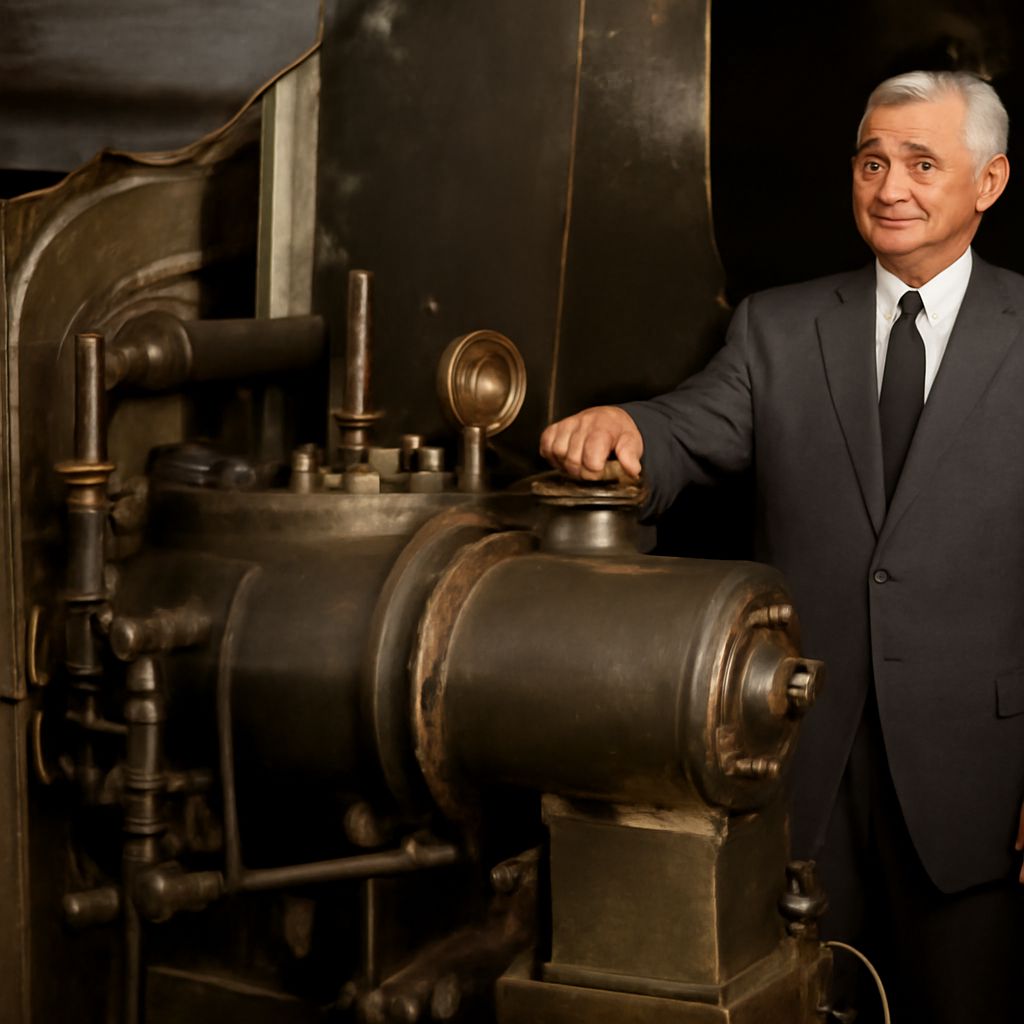
The invention of modern air conditioning is attributed to Willis Haviland Carrier, who developed the first electrical air conditioning unit in 1902. Carrier’s design was initially intended to solve a humidity problem at a printing plant, but its ability to control temperature and humidity soon found broader applications. This breakthrough earned Carrier the title of “father of air conditioning.”
While Carrier’s system was the first to combine temperature control with humidity regulation, it built upon previous innovations by others. Inventors like John Gorrie and James Harrison had previously developed ice-making machines and refrigeration systems, which laid the foundation for Carrier’s work. Nevertheless, Carrier’s contributions were pivotal, setting a new standard for climate control technology.
Key milestones in air conditioning development
The evolution of air conditioning saw several key milestones that transformed the technology into an indispensable aspect of modern life. After Carrier’s initial invention, the 1920s and 1930s witnessed widespread adoption in public buildings and theaters, enhancing comfort and drawing larger audiences. This period was crucial for demonstrating the potential of air conditioning beyond industrial applications.
The post-war era, particularly the 1950s and 1960s, marked a significant expansion into residential markets. The advent of compact and affordable window units made air conditioning accessible to ordinary households. This shift played a vital role in shaping suburban living and directly influenced architectural design trends.
In the latter half of the 20th century, advancements in energy efficiency and environmental concerns spurred further innovations. These included the development of more sustainable refrigerants and the integration of digital controls, making systems smarter and more responsive to user needs.
The impact of air conditioning on society
The widespread adoption of air conditioning has had profound effects on society. In warmer climates, it has enabled economic growth by making regions more habitable and conducive to business operations. Additionally, air conditioning has improved public health by preventing heat-related illnesses and enhancing indoor air quality.
However, the technology’s proliferation has also contributed to increased energy consumption and environmental impact. The demand for electricity to power air conditioning units presents a challenge, particularly during peak usage periods. As a result, there is a growing emphasis on developing energy-efficient systems and exploring alternative cooling methods to mitigate environmental concerns.
Modern innovations in air conditioning technology
Today, air conditioning technology continues to evolve rapidly. Modern systems boast significant improvements in energy efficiency and environmental sustainability. Innovations such as inverter technology and smart thermostats allow for more precise temperature control and reduced energy consumption. These advancements not only save costs but also minimize the carbon footprint of air conditioning systems.
Moreover, the industry is exploring cutting-edge solutions like geothermal cooling and solar-powered air conditioning. These technologies aim to harness renewable energy sources, reducing reliance on traditional electricity grids. As the focus on sustainability intensifies, such innovations are expected to play a crucial role in the future of climate control.
Another area of development is the integration of artificial intelligence and the Internet of Things (IoT) in air conditioning systems. These smart technologies offer enhanced user experiences through features like predictive maintenance and personalized comfort settings, further optimizing energy use and system performance.
The continuous advancement of air conditioning technology reflects the ongoing commitment to improving quality of life while addressing the environmental challenges posed by the demand for artificial cooling.
Safety recap: When discussing air conditioning systems, it is essential to prioritize safety and proper maintenance. Regular servicing of units ensures optimal performance and prevents potential hazards. Additionally, using energy-efficient models can help reduce environmental impact and lower operational costs in the long term.