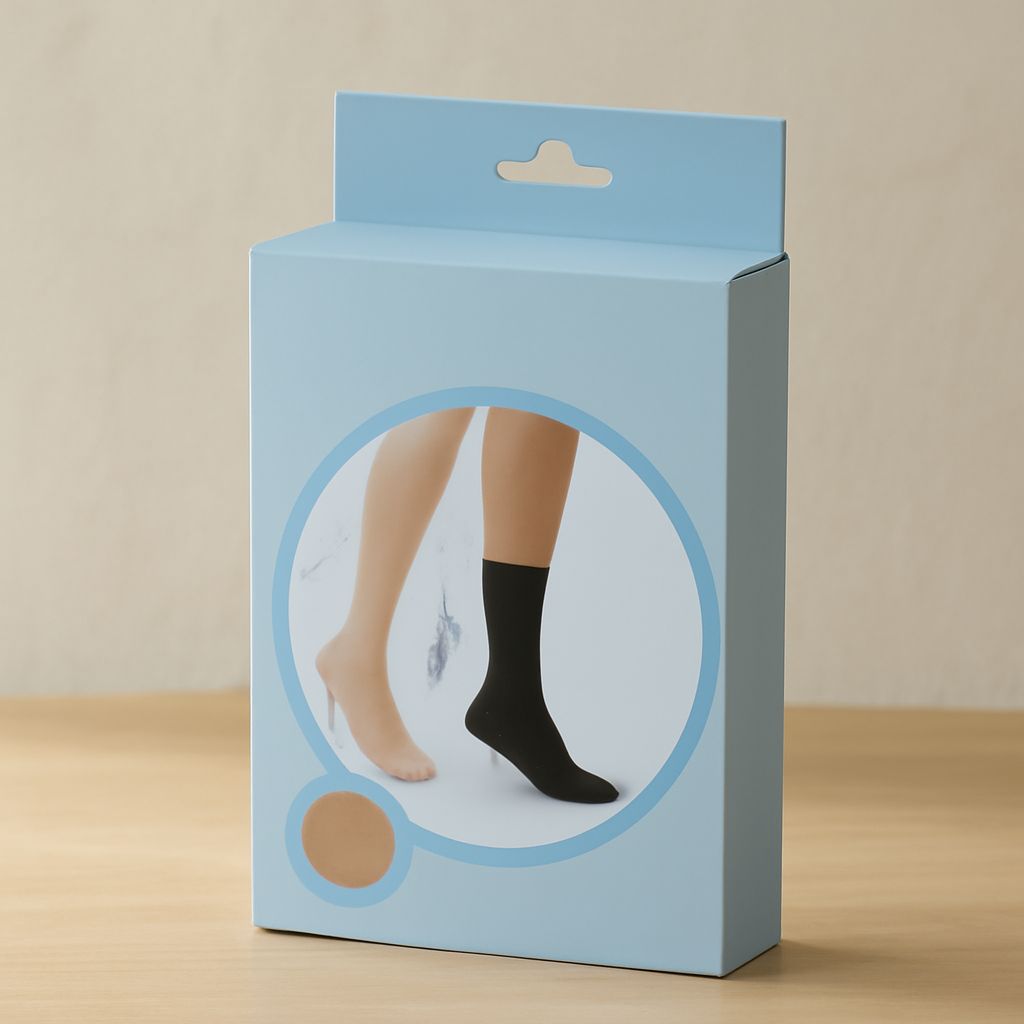
Compression stockings 20-30 mmhg are essential for people seeking to improve circulation and overall leg health. These specialized socks and knee-high options deliver effective pressure to aid in health and comfort, making them a valuable addition to many individuals’ daily routines. In this guide, we will explore the benefits and usage of 20-30 mmhg compression stockings, providing insight into why these garments are recommended by health professionals.
Understanding 20-30 mmhg compression socks
What does 20-30 mmhg mean?
The term “20-30 mmhg” refers to the level of pressure exerted by the compression socks. MMHG stands for millimeters of mercury, which is a standard unit of pressure measurement. Compression stockings 20-30 mmhg provide moderate to firm compression, making them suitable for various medical and non-medical applications. This pressure range is often recommended for those with varicose veins, mild to moderate swelling, or after certain surgeries.
The science behind compression socks
Compression socks work through graduated pressure, where the highest compression is at the ankle and decreases up the leg. This design helps promote blood flow, reducing the risk of blood pooling and clot formation. The science behind compression socks is rooted in enhancing venous return, ensuring that blood efficiently moves back towards the heart. As a result, individuals experience improved circulation and reduced discomfort in the legs.
Benefits of wearing compression stockings 20-30 mmhg
Improved circulation
One of the primary advantages of wearing compression stockings 20-30 mmhg is their ability to enhance circulation. The consistent pressure encourages blood flow from the legs to the upper body, helping to prevent complications such as deep vein thrombosis. Improved circulation also contributes to overall leg health and can alleviate symptoms associated with poor blood flow.
Reduced swelling
Compression socks are effective in reducing swelling, particularly for individuals who stand or sit for extended periods. By promoting fluid movement and preventing stagnation, these socks can significantly decrease leg swelling. For those with conditions like lymphedema or chronic venous insufficiency, the reduction in swelling offers considerable relief and enhances mobility.
Enhanced athletic performance
Athletes often use 20-30 mmhg compression stockings to boost performance and recovery. The increased blood flow aids in oxygen delivery to muscles, improving endurance and reducing fatigue. Moreover, post-exercise use of compression socks can facilitate recovery by minimizing muscle soreness and accelerating the removal of metabolic waste.
Choosing the right 20-30 mmhg compression stockings
Knee-high vs. full-length
When selecting compression stockings, deciding between knee-high and full-length options is crucial. Knee-high compression stockings 20-30 mmhg are ideal for most users, providing sufficient coverage for common ailments. Full-length stockings may be recommended for individuals with extensive varicose veins or those needing additional support. Consider medical guidance when choosing the appropriate style for your needs.
Materials and durability
Compression socks are available in various materials, including nylon and spandex, which offer elasticity and comfort. It’s essential to choose socks made from high-quality materials to ensure durability and effectiveness. Compression stockings 20-30 mmhg designed from robust fabrics maintain their pressure levels over time, providing long-lasting support for users.
How to wear compression socks 20-30
Proper fit and sizing
A proper fit is vital for the efficacy of compression socks. When wearing compression socks, ensure that they are neither too tight nor too loose. Accurate sizing will prevent discomfort and maximize benefits. Measure your legs according to manufacturer guidelines to find the suitable size, ensuring optimal pressure distribution for effective results.
Tips for effective usage
For best results, wear compression socks throughout the day, especially during activities that require prolonged standing or sitting. Avoid folding or rolling them down, as this can constrict blood flow. It is advisable to put on compression stockings early in the morning when swelling is minimal for easier application and maximum benefit.
FAQs about 20-30 mmhg compression stockings knee high
Common questions
Individuals often inquire about the usage duration and care for compression stockings. A common question is how long they should be worn each day. Typically, users are advised to wear them during waking hours for optimal benefit.
Expert answers
Experts recommend regular washing of compression socks to maintain hygiene and elasticity. Hand washing or using a gentle cycle in cold water will preserve the material’s integrity. Additionally, alternating between pairs can extend the life of the socks, ensuring continuous pressure support.
Safety recap: When wearing compression socks 20-30 mmhg, ensure a proper fit to prevent complications. Consult with healthcare providers for personalized advice if you have underlying health conditions.