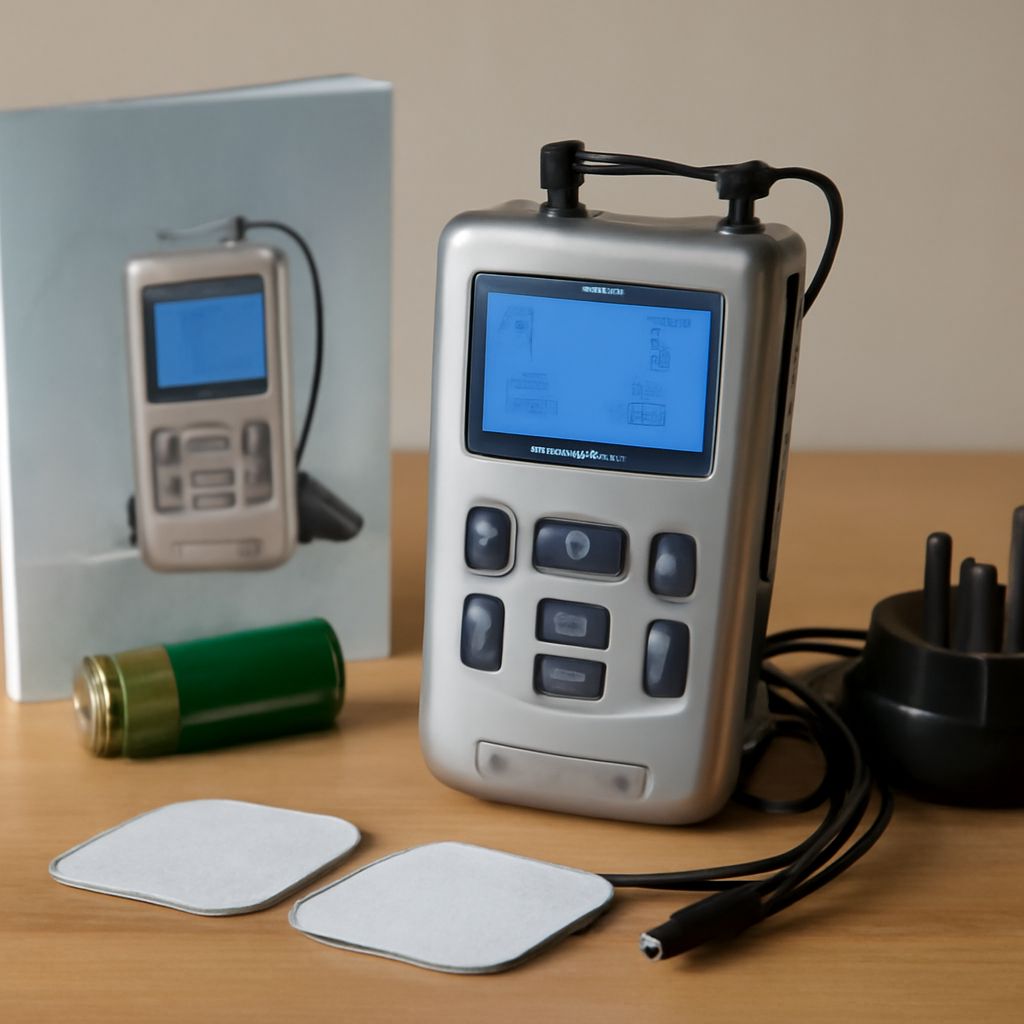
With the increasing demand for pain management solutions and therapeutic muscle stimulation, understanding the distinctions between EMS vs TENS is vital. Both TENS and EMS units offer unique benefits, catering to different needs. While EMS devices are focused on stimulating muscle contractions, TENS units primarily target pain relief. This article delves into the intricacies of TENS unit vs EMS, offering insights into their functionalities and applications, helping users make informed decisions.
Introduction to tens and ems
TENS and EMS are both electrical devices used in physical therapy and pain management. They can be confused due to their similar appearances, but their functions and applications differ significantly. TENS, which stands for Transcutaneous Electrical Nerve Stimulation, focuses on pain relief. Meanwhile, EMS, or Electrical Muscle Stimulation, is used to evoke muscle contractions, aiding in muscle recovery and strengthening. Understanding these differences is crucial for effective use in therapeutic practices.
What is a tens unit?
A TENS unit is a device that uses electrical impulses to stimulate nerves for the purpose of pain relief. It works by sending small electrical currents through electrodes placed on the skin near the painful area. This stimulation interferes with pain signals sent to the brain, providing relief from chronic pain conditions and acute injuries.
TENS units are often employed to manage conditions such as arthritis, fibromyalgia, and other chronic pain syndromes. Unlike EMS devices, TENS units do not stimulate muscle contractions but rather focus on disrupting the pain pathways. This makes them particularly useful for patients looking to manage pain without medication.
What is an ems device?
An EMS device, or Electrical Muscle Stimulation unit, is designed to stimulate muscle contractions through electrical impulses. These impulses mimic the action potential that comes from the central nervous system, causing the muscles to contract. EMS is often used in physical rehabilitation settings to strengthen weak muscles and improve muscle endurance without stress on joints.
EMS devices are particularly beneficial for athletes and individuals recovering from injuries, providing a low-impact method to enhance muscle performance. By targeting specific muscle groups, EMS can aid in muscle recovery and offer a supplemental workout for those unable to perform traditional exercises.
Key differences between tens and ems
While both TENS and EMS units use electrical currents, their applications and effects differ. The primary difference between tens and ems lies in their purpose and outcomes. TENS units are specifically designed for pain management, targeting nerves rather than muscles. In contrast, EMS units focus on muscle stimulation, promoting muscle contractions and recovery.
Another significant difference is in their application settings. TENS units are often used for chronic pain relief in conditions like back pain or neuropathy without causing muscle fatigue. Conversely, EMS units are used in sports and rehabilitation to improve muscle strength and endurance, often incorporating various electrotherapy settings to optimize muscle response.
Benefits and applications of tens vs ems
The benefits of TENS units include non-invasive pain management, reduction in the need for pain medications, and ease of use at home. They are versatile tools for managing various types of pain, offering relief that can enhance quality of life for individuals suffering from chronic conditions.
EMS devices provide benefits in muscle strength improvement, rehabilitation, and even muscle toning. For athletes, EMS can serve as an adjunct to regular training, enhancing muscle stamina and reducing recovery time after intense physical activity.
Both TENS and EMS units offer therapeutic benefits, but understanding when to use each is key. TENS units are ideal for those focusing on pain relief, while EMS devices are better suited for muscle rehabilitation and enhancement.
Choosing between tens and ems for your needs
When deciding between a TENS unit vs EMS, consider the primary goal: pain relief or muscle stimulation. For chronic pain sufferers, a TENS unit is likely the better choice due to its capabilities in disrupting pain signals without causing discomfort. Meanwhile, if the aim is to improve muscle function or recover from muscular injuries, an EMS device would be more appropriate.
Consultation with healthcare providers is advised to determine the most suitable option based on individual needs and health conditions. Both devices offer substantial benefits when used correctly, but selecting the right one ensures optimal results and improved therapeutic outcomes.
Bottom line: TENS and EMS units are valuable tools in pain management and muscle rehabilitation. Understanding the difference between tens and ems allows users to select the appropriate device for their specific needs, enhancing therapeutic efficiency and overall wellness.