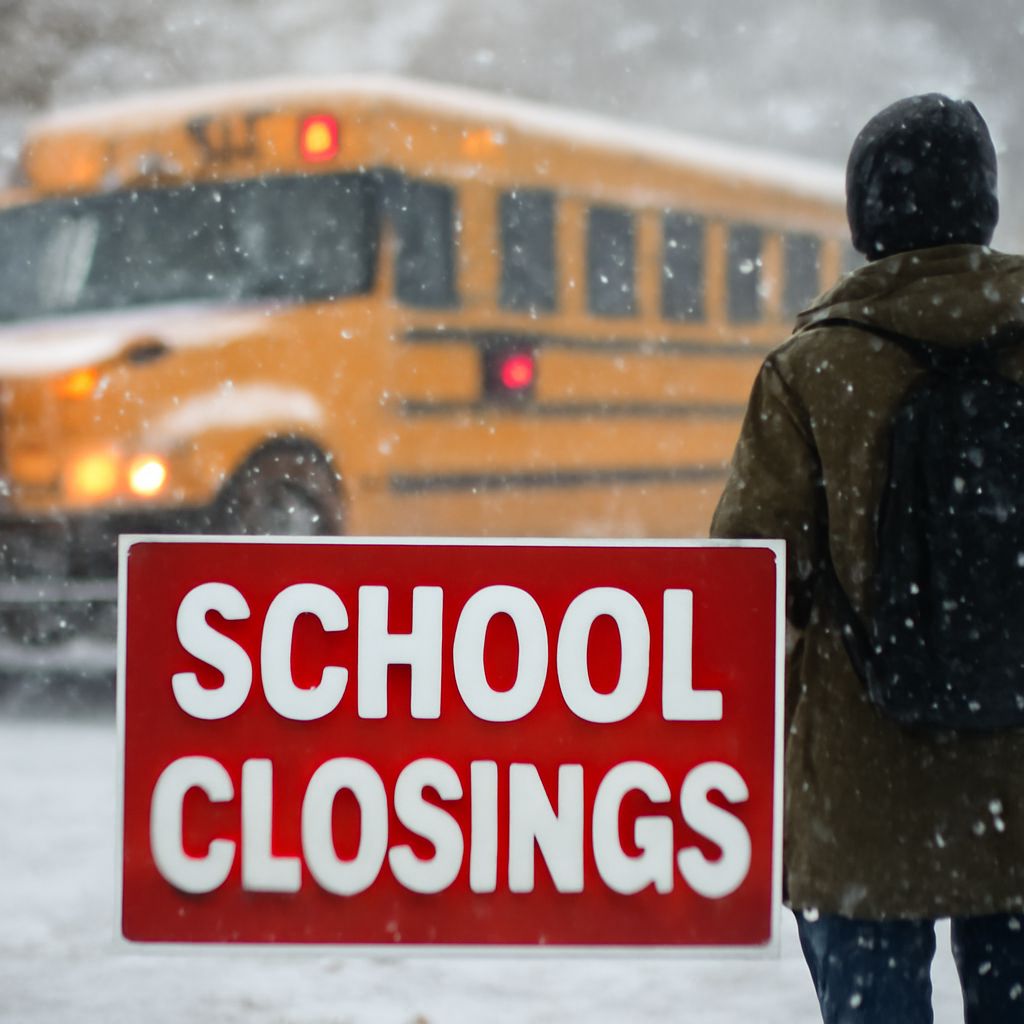
School cancellations can significantly affect daily routines, making it crucial to stay updated on school closings today. Understanding why schools closed today gives insight into the complex decision-making processes involved. Being aware of the list of schools closed today ensures that individuals can better plan their day and manage any disruptions effectively.
The impact of school cancellations
School cancellations can have widespread effects on communities. They disrupt educational plans and can lead to logistical challenges for families, such as finding childcare at short notice. For students, the interruption in learning can affect academic progress, particularly if school closures are frequent or prolonged. Moreover, many children rely on school services such as meals and counseling, highlighting the importance of minimizing cancellations whenever possible.
Teachers and staff also face repercussions. They must adapt lesson plans and sometimes extend the academic year to cover missed material. Furthermore, school cancellations can strain local economies, especially in regions where school-related activities are integral to community life.
Reasons for school closings today
Schools closed today for various reasons, ranging from weather conditions to public health concerns. Severe weather, including snowstorms or hurricanes, often leads to closures to ensure student and staff safety. Health emergencies, such as outbreaks of contagious diseases, can also necessitate shutting down schools temporarily.
Infrastructure issues, like power outages or plumbing problems, are other reasons why schools closed today. Occasionally, schools may close due to national events or security threats, emphasizing the need for effective communication and preparedness in such situations.
How to find out if schools are closed
Using online resources
Accessing online resources is a convenient way to check if schools are closed. Many school districts maintain websites with real-time updates on closures. Social media platforms and mobile apps also provide alerts and notifications, ensuring that parents and students receive timely information.
Checking local news
Local news outlets are another reliable source for information on school closings today. Television and radio broadcasts often include updates during morning and evening newscasts. Additionally, news websites typically have sections dedicated to community alerts, where school closure details are regularly updated.
List of schools closed today
Compiling a list of schools closed today helps parents, students, and staff plan accordingly. Such lists are usually provided by school districts and local news channels, detailing the areas affected and the expected duration of closures. These lists often include contact information for further inquiries, ensuring that families can receive additional support if needed.
Staying informed about school closures not only aids in day-to-day planning but also helps communities support one another during disruptions, making the list of closed schools an essential resource for all stakeholders involved.
Preparing for unexpected school closures
Preparation is crucial in managing the impact of unexpected school closures. Families should have contingency plans, including identifying alternative childcare options and establishing remote learning setups. Employers can support working parents by offering flexible work arrangements or remote work opportunities.
Schools can prepare by developing comprehensive emergency plans that include virtual learning platforms and communication strategies. Regular drills and updates ensure that students, parents, and staff know what to expect and how to respond effectively to sudden closures.
Community collaboration is also vital. Local organizations can provide resources and support to families affected by school closures, ensuring that educational disruptions are minimized and students continue to receive necessary services.
Next steps: Staying informed about school closures requires proactive measures. Regularly check reliable sources such as school district websites and local news for updates. Families and schools can collaborate to create contingency plans, ensuring that unexpected closures do not severely impact education or daily routines.