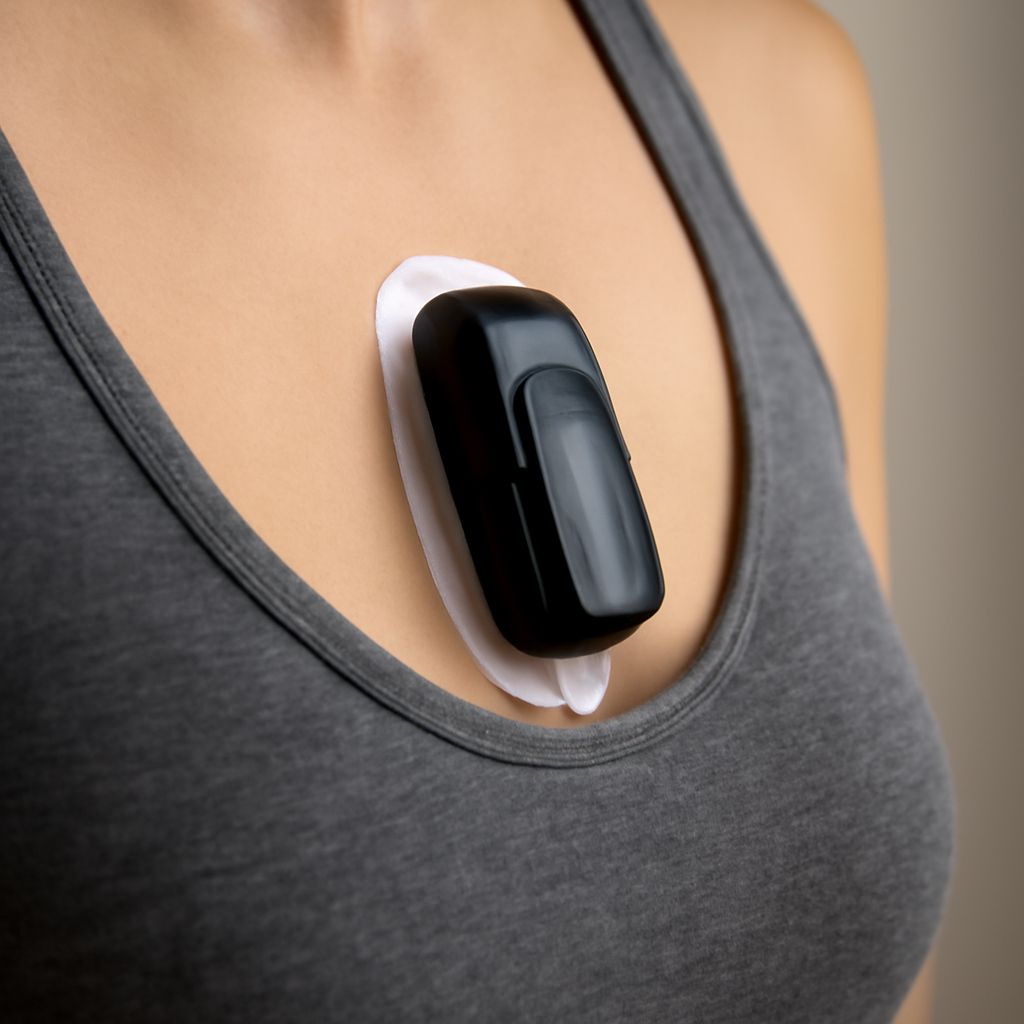
Holter monitors are indispensable tools in modern healthcare, offering continuous recording of heart activity over an extended period, usually 24 to 48 hours. This portable device provides essential data for diagnosing various cardiac conditions, making it an integral part of patient care. A common question among users is whether the holter monitor can be worn while performing daily activities, such as showering. Understanding how to safely use your holter monitor during daily activities is crucial for consumer safety, ensuring that users can effectively benefit from its diagnostic capabilities without compromising the device’s accuracy or functionality.
Introduction to holter monitors
A holter monitor is a compact, wearable device that records the electrical activity of the heart. Named after Dr. Norman Holter, who pioneered its development, this monitor is primarily used to detect irregular heartbeats that may not be captured during a standard electrocardiogram (ECG) due to their sporadic nature. The device is equipped with electrodes that are attached to the patient’s chest, transmitting heart activity data to a recorder for later analysis by healthcare professionals.
How a holter monitor works
The functionality of a holter monitor revolves around its ability to continuously record heart rhythms over an extended period. This is achieved through electrodes placed strategically on the chest, connected to the monitor via wires. The monitor captures and stores the heart’s electrical signals, allowing physicians to observe changes and irregularities in heart activity that occur during normal daily activities. This comprehensive data collection is crucial for diagnosing conditions such as arrhythmias, palpitations, and silent ischemia.
Can you shower with a holter monitor?
A prevalent concern among users is whether they can shower while wearing a holter monitor. Generally, holter monitors are not water-resistant, meaning direct exposure to water during showering or bathing can damage the device or interfere with the recording. However, some modern holter monitors are designed with limited water resistance, allowing brief exposure to moisture. It is essential for users to consult their healthcare provider or technician regarding their specific device’s capabilities and any precautions to take during use.
If showering is necessary while using a holter monitor, patients can use water-proof coverings or protective cases to safeguard the device. However, it is advised to limit water exposure to avoid potential disruptions in the data collection process. Users should also keep the electrodes dry to maintain their adherence and functionality.
Consumer safety tips for holter monitor users
Ensuring consumer safety while using a holter monitor involves several important practices. First, patients should follow all instructions provided by their healthcare provider regarding the proper attachment and care of the device. Securing the electrodes correctly is crucial for accurate data collection, and users should regularly check them to ensure they remain firmly attached.
Avoiding activities that could cause excessive sweating or moisture exposure helps maintain the integrity of the holter monitor. Additionally, users should refrain from using electronic devices that could generate interference, such as mobile phones and other wireless equipment. Keeping detailed notes about activities, symptoms, and any irregularities experienced during the monitoring period can greatly aid in data interpretation.
Common misconceptions about holter monitor usage
There are several misconceptions about holter monitor usage that can impact consumer safety. One common myth is that all holter monitors are waterproof, leading users to mistakenly expose them to water. As mentioned earlier, most holter monitors are not water-resistant, and this misunderstanding can lead to device damage or inaccurate data collection.
Another misconception is that a holter monitor can be removed at any time. Consistent and continuous use is essential for obtaining reliable heart activity data. Users should adhere strictly to the monitoring period recommended by their healthcare provider to ensure accurate and comprehensive analysis.
Overall, understanding the proper use and limitations of the holter monitor is vital for ensuring consumer safety and obtaining precise diagnostic results. By dispelling myths and adhering to best practices, users can effectively utilize this powerful tool for heart health monitoring.