Learning the notes for piano is the foundation for anyone seeking to master the instrument, whether for classical masterpieces or popular songs. As technology has advanced, finding free piano sheet music PDF resources has become more accessible, providing essential tools for mastering keyboard piano notes and improving music literacy. Knowing how to read any piano note sheet allows learners of all ages to progress efficiently and independently, unlocking a world of musical possibilities.
This comprehensive guide offers clear explanations, practical strategies, and a curated list of reputable sources to help you find, read, and practice with downloadable piano music. Whether you are a beginner or looking to expand your repertoire, understanding these concepts will support ongoing improvement and enjoyment at the piano.
Understanding notes for piano: The basics
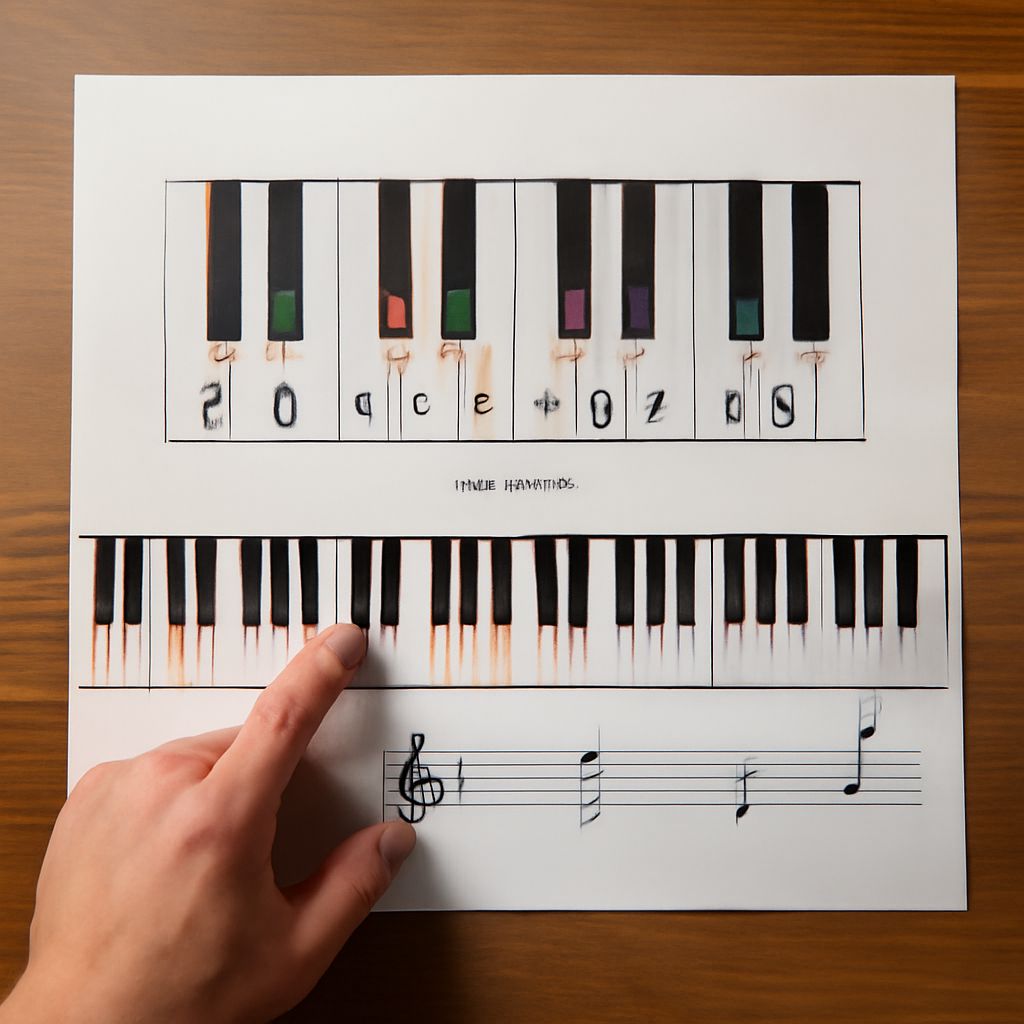
Every aspiring pianist needs a solid grasp of the fundamental notes for piano. The modern keyboard consists of 88 keys, each representing a specific pitch, and these notes are organized into repeating patterns of white and black keys. The white keys are named after the musical alphabet: A, B, C, D, E, F, and G. The black keys are known as sharps and flats, providing the half-step intervals between some white keys. Recognizing these notes on the keyboard is the first step toward reading and performing music fluently.
Basic music theory underpins the ability to interpret keyboard piano notes and their placement within a piece. Each note on the staff corresponds to a particular key on the piano, with middle C often serving as a central reference point for orientation. Beginners often benefit from associating staff notes with finger positions and familiarizing themselves with common patterns, such as scales and simple melodies. This foundation enables more advanced skills, including sight-reading and improvisation.
Learning to identify notes for piano visually and aurally also accelerates progress. Regular practice with note flashcards, ear-training exercises, and familiar tunes helps reinforce the connection between written notes and their sounds. This essential knowledge allows students to approach any piano note sheet with confidence, supporting both solo and ensemble performance.
For those who wish to explore more complex arrangements, understanding the structure of chords and intervals is crucial. These concepts expand a student’s ability to interpret harmonies and play more expressive music. With consistent practice, the relationship between notes, rhythm, and dynamics becomes clearer, making the study of piano both systematic and rewarding.
How to read keyboard piano notes effectively
Developing the skill to read keyboard piano notes is a cornerstone of music education. Sheet music is written on the grand staff, which combines the treble and bass clefs. The treble clef typically indicates notes played with the right hand, while the bass clef covers the left hand. Each line and space represents a specific pitch, with mnemonic devices like “Every Good Boy Does Fine” and “FACE” aiding memorization for beginners.
Translating written notes for piano into actual playing requires an understanding of rhythm, tempo, and articulation marks. Time signatures indicate how many beats are in each measure, while note values (such as quarter, half, and whole notes) determine the duration each key should be held. Dynamic and expression markings further guide interpretation, enabling musicians to deliver nuanced performances.
Reading a piano note sheet becomes easier with systematic practice. Start by focusing on short passages, gradually increasing complexity as reading fluency improves. Many educators suggest tracing finger numbers above notes, especially in early stages, to reinforce hand positioning and coordination. Regular exposure to a variety of genres builds versatility and confidence in approaching unfamiliar scores.
Interactive apps and digital tools now make it possible to practice keyboard piano notes with instant feedback. These resources often gamify the learning process, helping students of all ages stay motivated. By combining traditional sheet music with modern support, learners can accelerate their growth and broaden their understanding of musical notation.
Where to find free piano sheet music PDF online
A major advantage for today’s learners is the wealth of free piano sheet music PDF collections available online. These platforms offer thousands of pieces covering classical, jazz, pop, and folk genres, catering to every skill level. IMSLP (International Music Score Library Project) is a leading resource, providing public domain scores for works by renowned composers such as Bach, Beethoven, and Chopin.
Other reputable sites that host piano note sheet PDFs include MuseScore, 8notes, and Mutopia Project. Each database allows users to search by composer, difficulty, or style, making it easy to find suitable material for practice. Downloading keyboard piano notes in PDF format ensures that learners can print or view music on any device, supporting flexible study habits.
For those interested in more contemporary or popular music, websites like MusicNotes and Free-scores.com offer a range of arrangements, though some may require free registration or feature both complimentary and paid options. Always verify the copyright status before sharing or performing newly discovered sheet music, as not all works are in the public domain.
Utilizing free piano sheet music PDF sites not only expands a personal library but also encourages exploration of new genres and composers. This variety ensures that learners remain engaged and can tailor their repertoire to their interests and goals.
Tips for practicing with piano note sheet downloads
Effective practice with downloaded piano note sheets involves more than simply playing through a piece. Start by reviewing the tempo, key signature, and any difficult passages before attempting a full performance. Marking tricky measures and practicing them slowly improves accuracy and reduces frustration.
Breaking music into smaller sections aids memorization and mastery of keyboard piano notes. Focus on hands separately when first learning complex pieces, then gradually combine left and right hands. Using a metronome helps develop consistent timing and rhythm awareness, both essential for reliable performance.
Recording practice sessions allows for self-evaluation and tracking progress. Listening to professional recordings of the same piece can provide guidance on interpretation and dynamics. Experimenting with various fingerings and hand positions may reveal easier approaches to challenging segments.
Regularly rotating pieces from your piano note sheet collection keeps practice sessions fresh and motivating. Challenging oneself with both familiar melodies and new works develops well-rounded musicianship. Consistency is key; even short, daily practice sessions lead to steady improvement in reading and playing piano music.
Top recommended resources for piano learners
For those beginning their journey with notes for piano, several educational websites and platforms offer structured courses, exercises, and sheet music. PianoNanny, Hoffman Academy, and Zebra Keys deliver beginner-friendly lessons with interactive activities to reinforce note recognition and music theory. These resources often incorporate video tutorials and printable materials for comprehensive support.
Sheet music repositories like IMSLP and MuseScore remain invaluable for finding free piano sheet music PDF downloads. Both experienced players and novices benefit from the diversity of music available, from solo arrangements to ensemble parts. Many platforms include community features for sharing insights and receiving feedback.
Mobile apps such as Simply Piano, Flowkey, and Yousician blend technology with traditional learning, offering guided practice sessions and real-time feedback. These tools are particularly effective in reinforcing keyboard piano notes through repetition and immediate correction. Learners can supplement self-study with online forums and teacher recommendations for continued growth.
Ultimately, a combination of quality piano note sheet resources and dedicated practice leads to lasting musical development. Exploring a variety of instructional materials and interactive platforms ensures that students remain engaged and supported throughout their learning process.
Key takeaways: Understanding notes for piano, mastering how to read them, and accessing free piano sheet music PDF sources support every stage of musical growth. Consistent practice with diverse materials builds confidence and fluency. Reliable resources and clear strategies pave the way for both enjoyable learning and refined performance.