Understanding the importance of a class A fire extinguisher is crucial for ensuring safety in various environments. Fire extinguishers come in different types, each designed for specific fire sources. Knowing how to distinguish and properly use these firefighting tools can significantly reduce the risk of fire damage and enhance personal safety. This guide will help you learn more about the different types of fire extinguishers and their uses.
Introduction to Different Types of Fire Extinguishers
Fire extinguishers are indispensable safety devices found in homes, offices, and industrial settings. They are classified into different types based on the kind of fire they are designed to combat. This classification ensures that users can quickly identify and use the correct extinguisher in an emergency. Each type of fire extinguisher is filled with specific chemicals or agents suited for extinguishing certain categories of fires.
What is a Class A Fire Extinguisher?
A class A fire extinguisher is specifically designed to combat fires involving ordinary combustibles such as wood, paper, fabric, and some types of plastics. These extinguishers typically contain water or foam, which effectively cools the burning material and cuts off the fire’s oxygen supply. The class A fire extinguisher is a universal tool found in many settings, providing a reliable solution for common fire hazards.
For safety and effectiveness, it is important to ensure that a class A fire extinguisher is easily accessible in areas prone to such fires. Regular checks should be performed to confirm that the extinguisher is fully charged and in good working condition.
Exploring Other Fire Extinguisher Types
Beyond the class A fire extinguisher, several other types are designed for different fire classes:
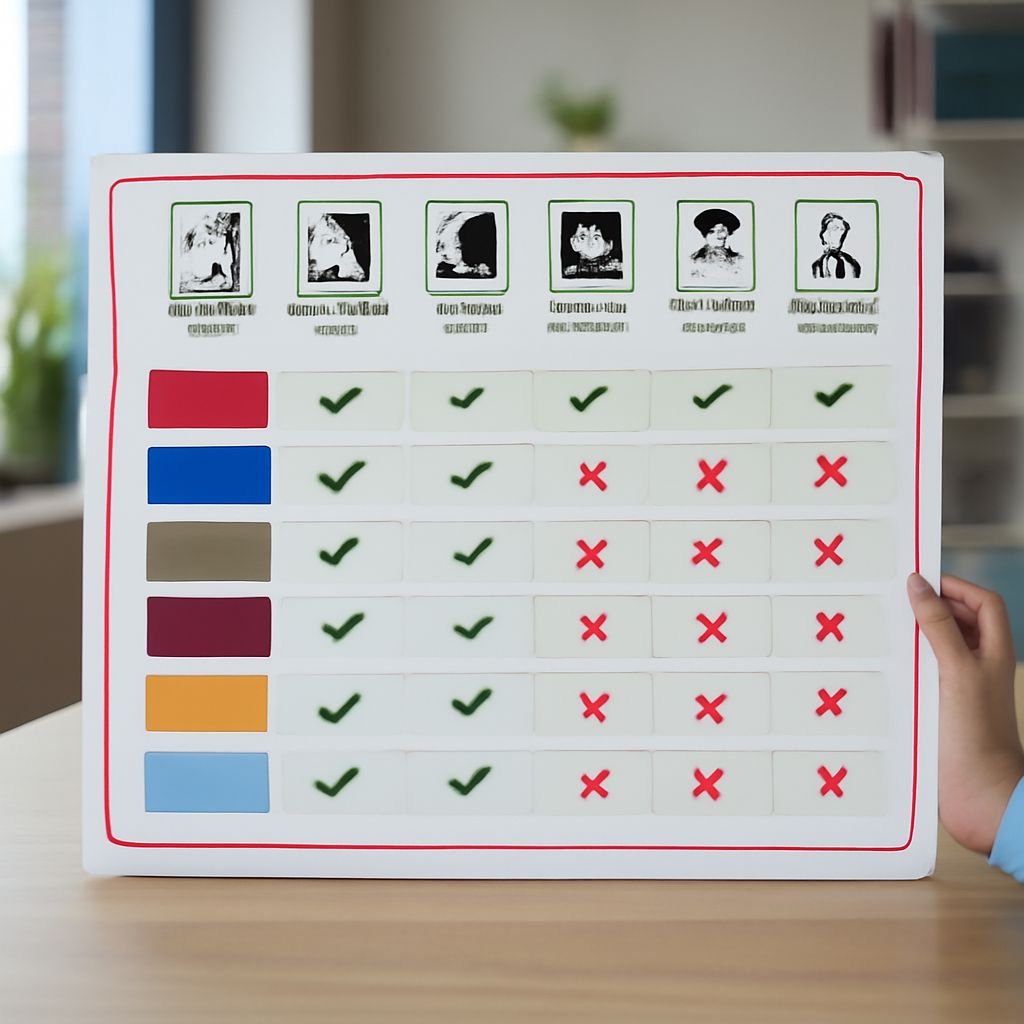
- Class B Extinguishers: These are used for flammable liquid fires such as oil, gasoline, and paints. They often contain carbon dioxide or dry chemical agents to smother the flames.
- Class C Extinguishers: Specifically for electrical fires, these extinguishers contain non-conductive substances like carbon dioxide or dry chemicals.
- Class D Extinguishers: Used for fires involving combustible metals such as magnesium and sodium, and generally found in industrial settings.
- Class K Extinguishers: Designed for kitchen fires involving cooking oils and fats, these contain wet chemical agents to effectively cool and smother the fire.
Each type is marked with a distinct label to assist users in selecting the appropriate extinguisher quickly during an emergency.
Choosing the Right Fire Extinguisher for Your Needs
To choose the correct fire extinguisher, consider the potential fire risks in the environment. A combination of different extinguisher types may be necessary for comprehensive coverage. For instance, homes may benefit from both class A and class B extinguishers, while commercial kitchens should have class K extinguishers within reach.
Consulting with fire safety professionals can provide valuable insights tailored to specific needs, ensuring that the chosen extinguishers meet safety regulations and offer optimal protection against varying fire hazards.
Maintenance and Safety Tips for Fire Extinguishers
Regular maintenance of fire extinguishers is essential to ensure their functionality during emergencies. Here are key maintenance steps:
- Conduct monthly inspections to check the pressure gauge and ensure the extinguisher is charged.
- Verify that the nozzle or other parts are free from obstructions.
- Ensure that the extinguisher is easily accessible and not blocked by any objects.
- Schedule professional inspections annually to maintain compliance with safety standards.
Training in the proper use of fire extinguishers is also crucial. Familiarization with operating procedures enhances readiness and ensures effective response in case of a fire outbreak.
Safety Recap: Understanding and maintaining fire extinguishers are vital for effective fire safety. Regular inspections and appropriate selection significantly contribute to safety preparedness and minimize risks associated with fire emergencies.