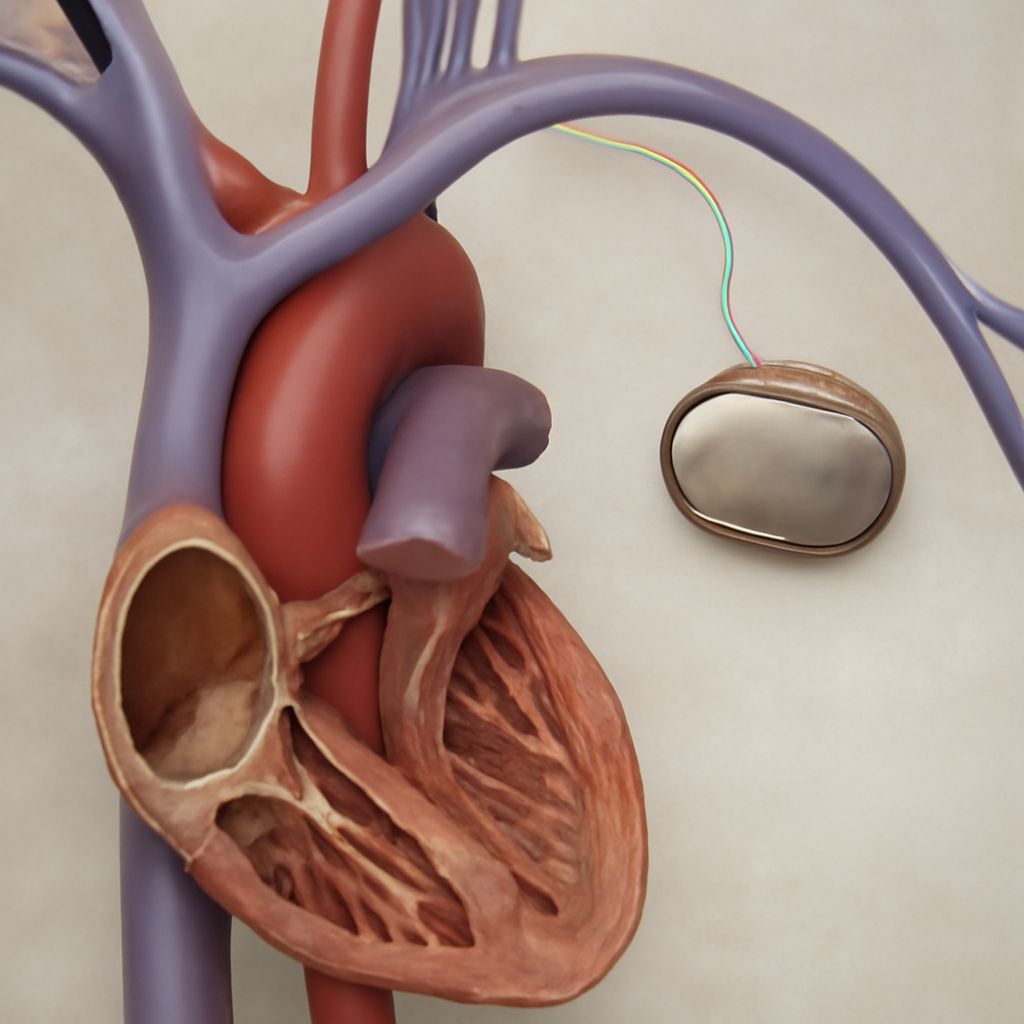
Ensuring the safety of individuals living with serious heart conditions is a top priority. For many, an ICD implant offers life-saving protection against dangerous heart rhythms. This device, known as an implantable cardioverter-defibrillator, is designed to monitor and correct irregular heartbeats. Understanding both the process and important safety aspects of ICD implant safety can empower patients and their families to make informed decisions and maintain the highest possible quality of life.
Education about implantable cardioverter-defibrillators is essential for those considering or already living with these devices. By exploring how an ICD works, who benefits most, the procedure for implantation, and the practical realities of daily living, individuals can better safeguard their health and well-being.
Understanding what an ICD implant is
An ICD implant, or implantable cardioverter-defibrillator, is a small electronic device placed under the skin, typically near the collarbone. Its primary function is to continuously monitor heart rhythms and deliver electrical therapy if a life-threatening arrhythmia, such as ventricular tachycardia or ventricular fibrillation, is detected. The device can deliver a shock or pacing impulses to restore a normal heart rhythm and prevent sudden cardiac arrest.
ICDs differ from pacemakers, which only help regulate slow heartbeats. While both devices are implanted in a similar manner, the ICD is equipped to treat rapid, dangerous rhythms that could lead to cardiac arrest. Advances in medical technology have made ICDs smaller, more durable, and increasingly effective in preventing sudden death in high-risk individuals.
Patients considering an ICD should be aware that although the device is highly reliable, it requires ongoing monitoring and care. The ICD’s battery and internal components must function properly to ensure that it can deliver therapy when needed. Regular follow-ups with a cardiologist are necessary to check device performance and battery status, providing an added layer of safety for those who rely on this technology.
Understanding the purpose and functionality of an ICD implant helps demystify the device and sets the stage for informed decision-making. Education and awareness are critical components of ICD implant safety, supporting patients and caregivers in adopting best practices for health maintenance.
Who might need an implantable cardioverter-defibrillator
An implantable cardioverter-defibrillator is most often recommended for individuals at high risk of life-threatening arrhythmias. People who have survived sudden cardiac arrest, experienced ventricular fibrillation, or have sustained ventricular tachycardia are common candidates for ICD therapy. Additionally, those with certain inherited heart conditions, such as long QT syndrome or hypertrophic cardiomyopathy, may benefit from an ICD to reduce the risk of sudden death.
Doctors assess a range of factors before recommending an ICD implant. These may include a patient’s heart function, typically measured by ejection fraction, medical history, and the likelihood of experiencing further arrhythmic episodes. In some cases, individuals with advanced heart failure or previous heart attacks may qualify for an ICD as a preventive measure, even if they have not yet experienced a major arrhythmia.
The decision to proceed with an implantable cardioverter-defibrillator is based on a comprehensive evaluation of risks and benefits. Cardiologists may use diagnostic tests, such as electrocardiograms or stress tests, to gather information about the heart’s electrical system. Family history of sudden cardiac death may also influence the recommendation for an ICD, especially in younger patients or those with genetic heart conditions.
Open communication with healthcare providers ensures that individuals are fully informed about their options. Understanding personal risk factors and the protective role of an ICD implant is a crucial part of making a safe and effective treatment choice.
How the ICD implant procedure works
The process of receiving an ICD implant is typically performed under local anesthesia with sedation in a hospital setting. During the procedure, the cardiologist makes a small incision near the collarbone and inserts one or more thin leads (wires) through a vein into the heart. These leads connect the heart’s chambers to the ICD device, which is implanted just beneath the skin.
Once positioned, the implantable cardioverter-defibrillator is tested to ensure it can accurately detect and treat abnormal heart rhythms. The procedure usually takes one to two hours, and most patients can expect to stay in the hospital for monitoring overnight. After implantation, wound care and limited arm movement are necessary for a short period to promote healing.
Recovery from ICD surgery is generally straightforward, though patients should avoid strenuous activity and heavy lifting for several weeks. Follow-up appointments allow the care team to assess healing and program the device’s settings to the patient’s specific needs. Remote monitoring technology may also be used to track the ICD’s performance, further supporting ICD implant safety.
Understanding the steps of the implantation process helps reduce anxiety and prepares individuals for what to expect, ultimately promoting smoother recovery and better long-term outcomes.
Safety considerations with an ICD implant
Proper management of an ICD implant minimizes risks and ensures optimal functioning. Patients should be aware that strong electromagnetic fields, such as those produced by MRI machines or industrial equipment, can potentially interfere with the device. Medical personnel should always be informed about the presence of an implantable cardioverter-defibrillator before any procedure involving electrical currents or strong magnets.
Everyday electronic devices, such as cell phones and microwaves, are generally safe to use when kept at a reasonable distance from the ICD. Patients are advised to avoid placing cell phones directly over their device site and to use the opposite ear for phone conversations. Regular checkups are essential to assess ICD battery life and to confirm that the device is functioning as intended.
Travel is generally safe for individuals living with an ICD implant, though precautions may be needed when passing through airport security. Metal detectors and security wands may detect the device, but will not harm it. Carrying a medical device identification card is recommended for smoother passage through security screenings.
Immediate medical attention should be sought if shocks are delivered by the ICD unexpectedly or if symptoms such as chest pain, dizziness, or palpitations occur. Proactive communication with a healthcare team supports ongoing ICD implant safety and helps address any concerns promptly.
Living with an implantable cardioverter-defibrillator
Adjusting to life with an implantable cardioverter-defibrillator involves both physical and emotional considerations. Activities of daily living can typically be resumed after recovery from surgery, though individuals may need to modify certain behaviors to protect the device and reduce infection risk. Participation in most forms of exercise, with guidance from a physician, remains possible for many patients.
Emotional support is important for those adapting to an ICD implant. Feelings of anxiety or fear regarding potential device shocks or limitations are common. Support groups, counseling, and educational resources can help individuals and their families navigate these challenges and foster confidence in living safely with the device.
Device maintenance includes regular follow-ups with a cardiologist to review the ICD’s settings and battery status. Many devices also offer remote monitoring, allowing for ongoing oversight and early detection of potential issues. Understanding device alerts and knowing when to seek help are important aspects of ICD implant safety.
With appropriate care and awareness, most people with an implantable cardioverter-defibrillator enjoy a high quality of life and meaningful reduction in the risk of sudden cardiac death. Adopting recommended safety precautions allows for greater independence and peace of mind.
Next steps: Anyone living with an ICD implant should maintain regular communication with their healthcare team, attend scheduled follow-ups, and remain vigilant about device safety in daily life. Continual education and adherence to medical advice are key to maximizing the benefits of an implantable cardioverter-defibrillator and maintaining optimal health.