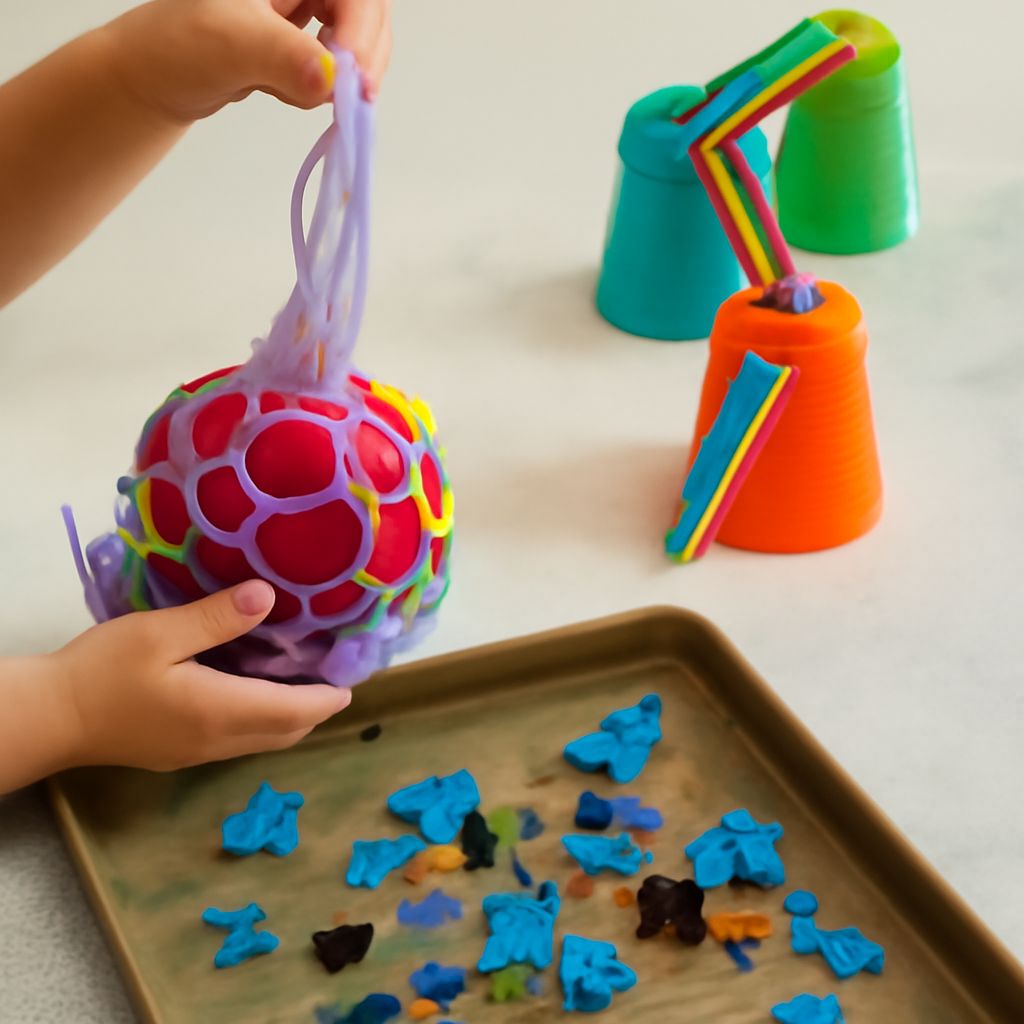
Fine motor activities for preschoolers are crucial in developing the skills necessary for everyday tasks. These activities involve small muscle movements, primarily in the hands and fingers, and are foundational in preparing children for more complex tasks. Understanding and incorporating fine motor skills for preschoolers into daily routines can significantly enhance their learning experiences. Engaging in toddler fine motor activities not only boosts coordination but also nurtures cognitive and social development.
Understanding fine motor skills for preschoolers
Fine motor skills refer to the coordination of small muscle movements in the hands and fingers. These skills enable preschoolers to perform tasks such as writing, buttoning clothes, and using utensils. Developing fine motor skills is essential for independence and self-care.
Preschool fine motor activities often involve tasks that require precision and control. Activities such as drawing, cutting with scissors, and stacking blocks are common examples. These tasks not only enhance dexterity but also improve hand-eye coordination, essential for cognitive development.
By engaging in these activities, children learn to manipulate objects with increasing control and accuracy, which supports their overall development. The emphasis on preschool fine motor activities helps lay the foundation for academic and personal success.
Why fine motor activities are important
Fine motor activities are vital because they directly impact a child’s ability to perform essential tasks. These tasks include writing, which is integral to academic achievement. Without developed fine motor skills, children may struggle with these basic functions, affecting their educational progress.
Engaging in toddler fine motor activities also supports cognitive development. Activities such as puzzles and bead threading require problem-solving skills and promote patience, which are crucial in a child’s learning journey. These activities foster critical thinking and creativity, essential for holistic development.
Moreover, fine motor activities encourage social interaction. Group activities, such as building blocks or crafting, provide opportunities for children to interact and collaborate, enhancing their social skills and emotional intelligence.
Top fine motor activities for preschoolers
There are numerous engaging activities designed to enhance fine motor skills for preschoolers. Some popular activities include:
- Playdough Manipulation: Kneading, rolling, and shaping playdough helps strengthen hand muscles and improve dexterity.
- Threading Beads: This activity improves hand-eye coordination and precision as children string together beads to create patterns.
- Scissor Cutting: Cutting paper along lines helps children develop control and accuracy in their hand movements.
- Building with Blocks: Stacking and constructing with blocks enhances spatial awareness and coordination.
- Drawing and Coloring: These activities promote creativity and fine motor control essential for writing skills.
Incorporating these engaging activities can significantly boost fine motor development, preparing children for more advanced tasks as they grow.
Incorporating toddler fine motor activities at home
Parents and caregivers can easily integrate fine motor activities into daily routines at home. Simple tasks such as sorting laundry, peeling stickers, or using tweezers to pick up small objects can be both fun and educational.
Creating a dedicated space for these activities encourages regular practice. A small table with accessible materials allows children to explore and practice independently, fostering their confidence and problem-solving abilities.
For a more structured approach, parents can set specific times for engaging in fine motor activities. This routine helps children expect and look forward to these sessions, reinforcing their importance in daily life.
Choosing the right materials for motor skill development
Selecting appropriate materials is essential for successful skill development. Materials should be age-appropriate, safe, and engaging to hold a child’s interest.
Soft materials like playdough and clay are excellent for molding and shaping activities. These materials allow children to express creativity while strengthening their hands and fingers.
Tools such as child-friendly scissors, tweezers, and beads in different shapes and sizes provide varied challenges and help children refine their motor skills. Ensuring that the materials are colorful and varied can enhance engagement and motivation.
Providing a variety of materials not only supports the development of fine motor skills but also caters to different learning styles and preferences, ensuring a comprehensive learning experience.
Integrating a variety of materials and activities helps maintain a child’s interest and encourages consistent practice, which is key to developing proficient fine motor skills.
Key takeaways
Fine motor activities for preschoolers are essential in fostering independence, cognitive development, and social skills. Through engaging and structured practices, children can develop the fine motor skills necessary for academic success and personal growth. By understanding and incorporating these activities at home and choosing the right materials, caregivers can support a child’s holistic development effectively.