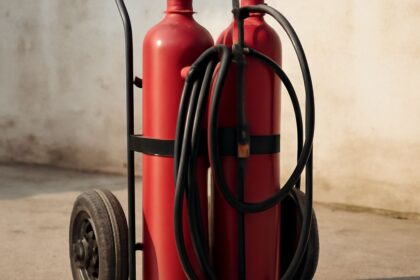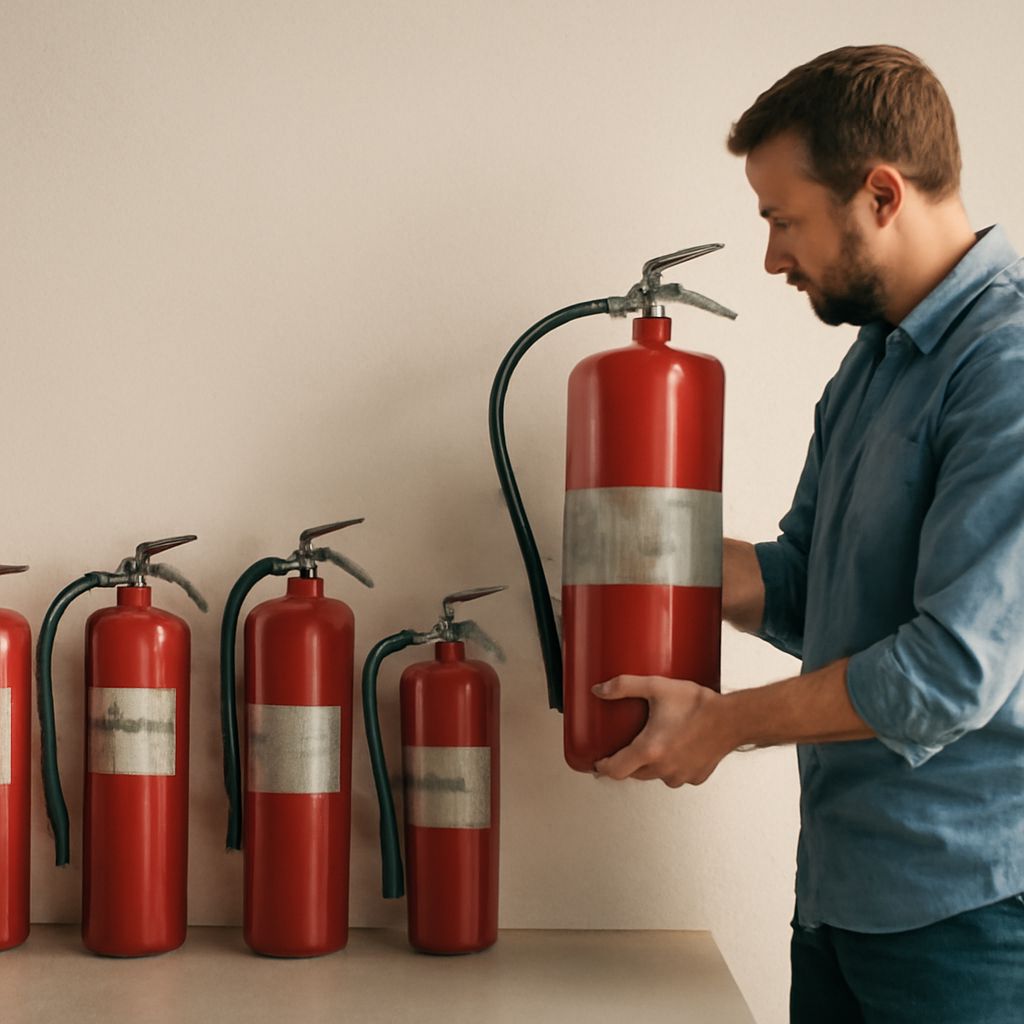
In today’s world, ensuring the safety of our homes and workplaces is paramount. One of the critical tools in fire safety is the fire extinguisher for electrical fires, commonly referred to as the type C fire extinguisher. Understanding the differences among fire extinguishers, including the class A extinguisher, and the various types of fire extinguishers ABC, is essential for maintaining a safe environment. This guide will provide comprehensive insights into the classifications, functions, and maintenance of these indispensable safety devices.
Understanding fire extinguishers and their classifications
What are the different types of fire extinguishers? Fire extinguishers are categorized into various classes based on the types of fires they are designed to combat. Each class is tailored to tackle specific fire sources effectively. The main types of fire extinguishers include Class A, Class B, Class C, Class D, and Class K. These classifications ensure that users can promptly identify and utilize the correct extinguisher for any fire scenario. Using the wrong type can be ineffective or even dangerous, emphasizing the need for awareness and education in fire safety practices.
Overview of class A, B, and C extinguishers
Class A extinguishers are designed for ordinary combustible fires involving materials such as wood, paper, and cloth. Class B extinguishers target flammable liquid fires, including those involving gasoline, oil, and grease. The class C fire extinguisher, in contrast, is specifically designed for electrical fires caused by energized electrical equipment like appliances, wiring, and circuit breakers. Understanding these distinctions helps ensure that each extinguisher type is used correctly, minimizing the risk of fire damage and enhancing safety.
All about the class C fire extinguisher
How does a class C fire extinguisher work?
A class C fire extinguisher is filled with non-conductive extinguishing agents such as dry chemical powders or carbon dioxide. These agents suppress electrical fires by interrupting the chemical reaction of the fire triangle: heat, fuel, and oxygen. The non-conductive nature of the extinguishing agents ensures they do not conduct electricity, making them safe for use on energized electrical equipment. This feature is crucial, as using a conductive extinguishing agent could lead to further electrical hazards.
Why is it important for electrical fires?
Electrical fires pose unique risks due to the presence of live electrical currents. The type C fire extinguisher is essential in these situations because it can effectively extinguish the fire without conducting electricity, which prevents the risk of electrical shock. Furthermore, these extinguishers are designed to safely suppress fires involving a variety of electrical sources, providing versatile protection in residential, commercial, and industrial settings. This adaptability makes the class C fire extinguisher a fundamental component of any comprehensive fire safety plan.
Choosing the right fire extinguisher for electrical fires
Comparing class C and class A extinguishers
When selecting a fire extinguisher, it is important to consider the specific fire risks present in the environment. While a class A extinguisher is suitable for ordinary combustibles, it is not effective against electrical fires. In contrast, a class C fire extinguisher is specifically designed to combat fires involving live electrical equipment. Ensuring that the appropriate extinguisher is on hand is critical for effective fire suppression and safety.
Tips for selecting a type C fire extinguisher When choosing a type C fire extinguisher, consider the environment in which it will be used. Factors such as the size of the area, the type of electrical equipment present, and the extinguisher’s ease of use should be evaluated. It is also important to check the extinguisher’s UL rating, which indicates its effectiveness against electrical fires. By taking these considerations into account, individuals can select an extinguisher that provides optimal protection and peace of mind.
Maintaining your fire extinguisher for optimal safety
Regular inspection and maintenance
Regular inspection and maintenance of fire extinguishers are crucial for ensuring their effectiveness in an emergency. It is recommended to conduct visual inspections monthly, checking for any signs of damage, corrosion, or leakage. Additionally, ensure that the pressure gauge is within the operational range and that the safety pin is intact. Professional maintenance should be performed annually, including a thorough inspection by a certified technician to verify the extinguisher’s functionality.
When to replace your fire extinguisher
Knowing when to replace a fire extinguisher is essential for maintaining a safe environment. Most extinguishers have a lifespan of 5 to 15 years, depending on the manufacturer and type. However, if an extinguisher shows signs of damage, leaking, or fails a pressure test, it should be replaced immediately. Keeping track of the expiration date and adhering to regular maintenance schedules will ensure that your fire extinguisher is ready to perform when needed.
Pro tips recap: Selecting and maintaining the right fire extinguisher is essential for effective fire safety. Always use a type C fire extinguisher for electrical fires and ensure it is regularly inspected and maintained. Understanding the different classes of extinguishers and their specific uses will enhance safety and preparedness in any environment.