The verb poder in Spanish is an essential part of understanding the language’s versatility and richness. Recognizing the poder stem change is crucial for accurately using this verb in various tenses. When learners focus on mastering the forms of poder, they unlock a powerful tool for expressing possibilities and abilities in past contexts. This article aims to provide comprehensive insights into the conjugations of poder while highlighting practical usage tips.
Understanding poder in Spanish
The significance of poder
Poder is a modal verb that signifies capability or permission, making it fundamental to Spanish conversations. Its usage spans various contexts, allowing speakers to express what they can do or what they are allowed to do. The verb’s importance is evident in daily interactions, as it helps convey a wide range of meanings related to possibility and ability.
When to use poder
In Spanish, poder is typically used when discussing potential actions or granting permission. It is essential to understand the context in which this verb appears to ensure proper usage. Poder in Spanish often indicates the subject’s ability to perform an action or the likelihood of an event occurring.
Exploring the forms of poder
Basic forms and their uses
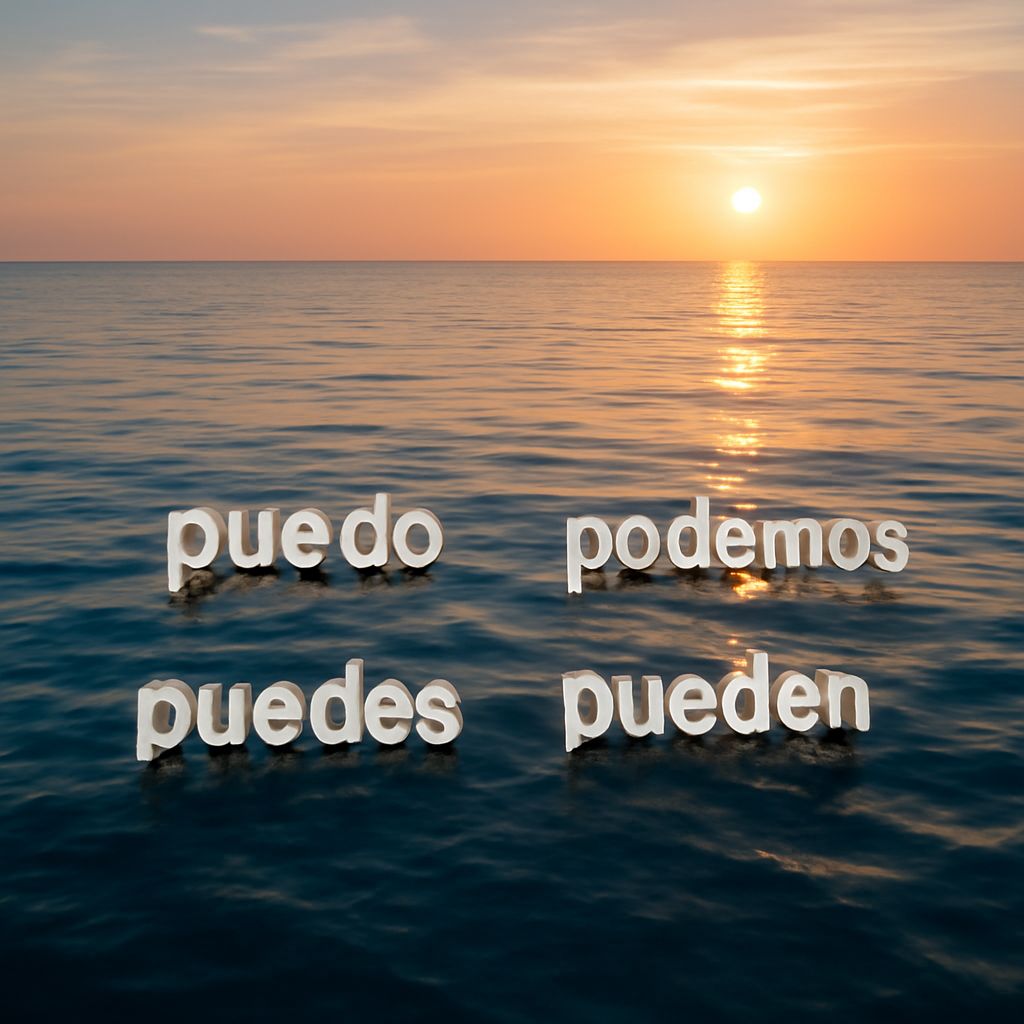
The verb poder is conjugated in various forms depending on the tense. In the present tense, poder is expressed as “puedo,” “puedes,” “puede,” “podemos,” “podéis,” and “pueden.” These forms indicate current capabilities or permissions. Understanding these basic forms is crucial for grasping how the verb operates within the language.
Differences in usage
While the basic forms of poder signal present capabilities, the preterite forms highlight specific past events. This distinction in usage is vital for learners aiming to master the verb’s versatility. The ability to differentiate between these forms ensures accurate communication of past abilities or permissions.
Mastering the poder conjugation preterite
Rules for preterite conjugation
Conjugating poder in the preterite involves altering the stem, a key feature of this verb. The preterite forms are “pude,” “pudiste,” “pudo,” “pudimos,” “pudisteis,” and “pudieron.” These forms illustrate actions completed in the past, often with an emphasis on whether the subject was able to complete an action or not.
Common mistakes to avoid
When learning the poder conjugation preterite, learners often struggle with mixing up forms or misapplying the stem changes. To avoid these common mistakes, it’s important to focus on memorizing the specific alterations involved and practicing with varied sentence structures to reinforce understanding.
Decoding the poder stem change
How stem changes affect conjugation
The stem change in poder is a crucial aspect of its conjugation process. In the preterite tense, the stem changes from “o” to “u,” forming the base for conjugation. This alteration must be consistently applied to ensure accurate usage in sentences, particularly in expressing past events.
Examples of stem changes in sentences
Understanding how the poder stem change manifests in sentences is essential for learners. For example, “Ella pudo terminar el proyecto” illustrates the correct application of the stem change in expressing a completed action. Practicing with such sentences aids in internalizing the stem change effectively.
Practical tips for mastering conjugations of poder
Study techniques for retention
Effective study techniques for mastering conjugations of poder involve consistent practice and repetition. Flashcards, conjugation charts, and interactive exercises are useful tools for reinforcing memory retention. Engaging with these resources regularly can significantly enhance the learning process.
Resources for further learning
For learners seeking to deepen their understanding, numerous online platforms offer comprehensive resources on Spanish verbs, including poder. Websites dedicated to language learning provide interactive exercises, quizzes, and forums that foster community-based learning and support.