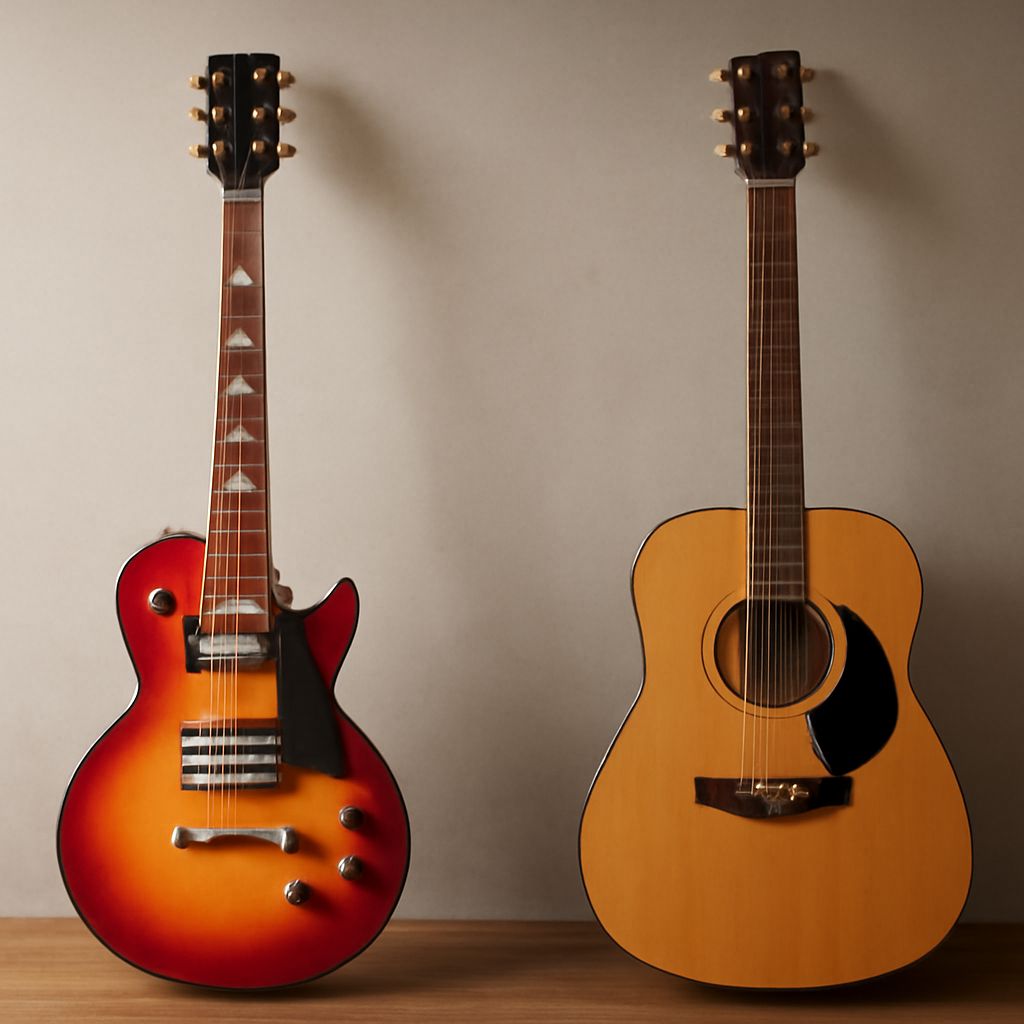
Understanding the parts of a guitar is essential for anyone looking to play or maintain this beloved instrument. Whether you’re a beginner or a seasoned player, knowing each component can enhance your playing experience and ensure your guitar stays in optimal condition. This guide provides an acoustic guitar diagram to help you visually identify each part, from the headstock to the body. By exploring the detailed anatomy of an acoustic guitar, readers will gain valuable insight into its construction and functionality.
Understanding the parts of a guitar
Overview of guitar anatomy
Guitars, whether acoustic or electric, share a similar structure composed of distinct parts. The primary segments include the headstock, neck, and body. Each of these components plays a crucial role in the instrument’s sound production and playability. By familiarizing oneself with these elements, players can better understand how to care for their guitars and make informed decisions when repairing or upgrading parts.
Importance of knowing the parts
The significance of knowing the parts of a guitar extends beyond mere curiosity. It enables players to troubleshoot issues, customize their instruments, and communicate effectively with technicians. For instance, understanding the role of tuning pegs can help in maintaining the instrument’s intonation, while knowledge of the body can aid in selecting suitable accessories, like straps or cases. Thus, an informed player is better equipped to enhance their musical journey.
Detailed acoustic guitar anatomy
Headstock and tuning pegs
The headstock, located at the end of the guitar neck, houses the tuning pegs. These pegs, or tuners, are crucial for adjusting string tension, which directly affects the pitch. Proper maintenance of this area ensures stable tuning and optimal sound quality. In the acoustic guitar diagram, the headstock is typically positioned at the top, showcasing its integral role in string management.
Neck and fretboard
The neck of the guitar connects the headstock to the body and includes the fretboard. The fretboard contains frets, which are metal strips that divide the neck into segments. Each segment represents a different musical note, allowing players to produce various pitches. A well-maintained neck and fretboard are vital for smooth playability and accurate intonation.
Body and soundhole
The body of an acoustic guitar is the largest part and serves as the main resonating chamber. It typically features a soundhole, which amplifies the sound produced by the strings. The body can vary in shape and size, influencing the guitar’s tonal characteristics. In a detailed acoustic guitar anatomy, understanding the body helps players select instruments that suit their musical styles.
Exploring an acoustic guitar diagram
Visual guide to guitar components
An acoustic guitar diagram provides a visual representation of the instrument’s parts. This diagram is an invaluable resource for both beginners learning the names and functions of each component and experienced musicians seeking a deeper understanding of their instrument. By studying this guide, players can develop a comprehensive overview of how each part contributes to the overall performance.
How to read a guitar parts diagram
Reading a guitar parts diagram involves identifying and understanding the labeled components. Each part, from the bridge to the pickguard, is typically marked and described. By familiarizing themselves with this layout, players can efficiently locate and address issues as they arise. This skill is particularly useful for those interested in modifications or repairs.
Common questions about guitar parts
Frequently asked questions
Many guitarists have questions regarding the maintenance and functionality of their instruments. Common inquiries include how to properly clean and store a guitar, how to replace strings, and the best practices for protecting the fretboard. An understanding of guitar parts can provide insightful answers to these questions, aiding in the longevity and performance of the instrument.
Tips for care and maintenance
Proper care and maintenance of a guitar are paramount for preserving its sound quality and structural integrity. Regular cleaning, careful handling, and climate-controlled storage are recommended to prevent damage. Additionally, periodic checks of the tuning pegs and fretboard can prevent potential issues, ensuring the guitar remains in top playing condition.
Bottom line: Gaining a thorough understanding of guitar parts through an acoustic guitar diagram not only enhances a player’s ability to maintain their instrument but also enriches their overall playing experience. By being well-versed in the anatomy of a guitar, musicians can make better decisions for care, customization, and performance.