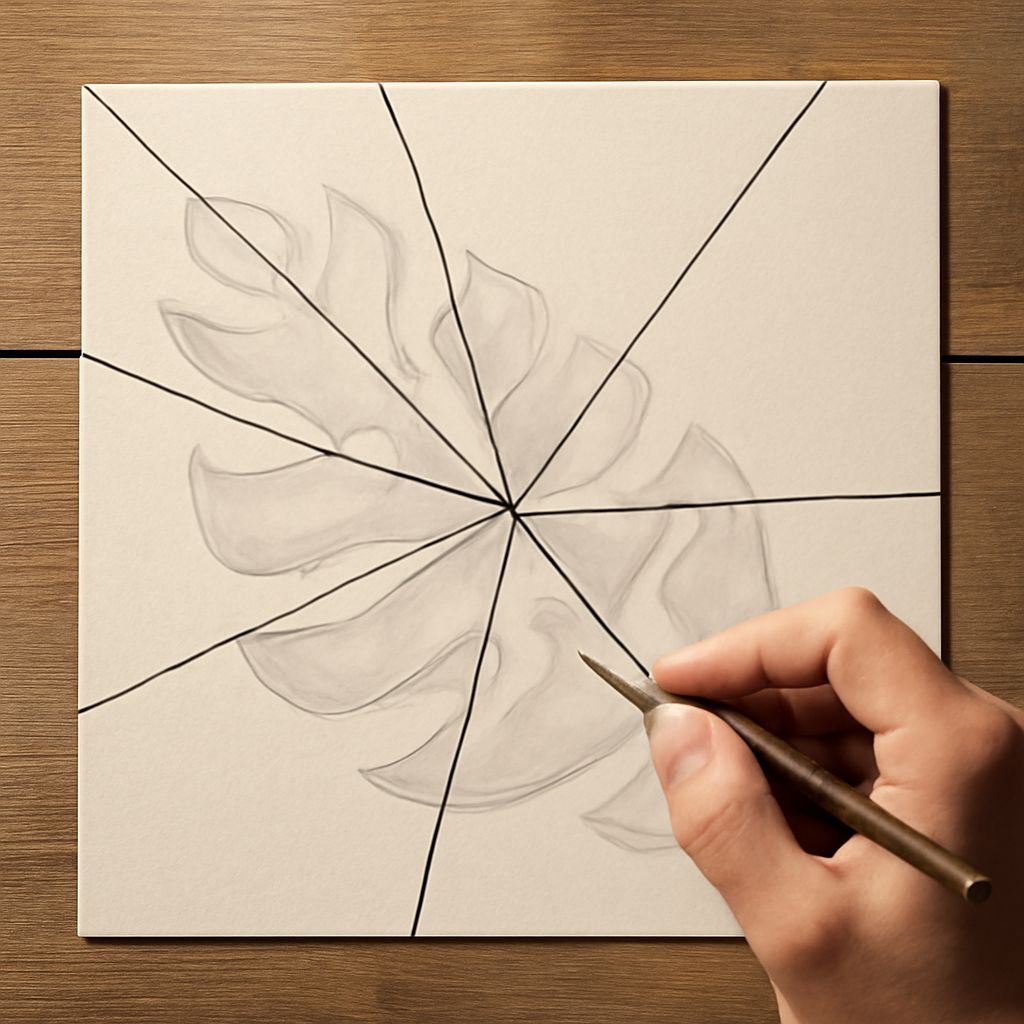
Art is a language that communicates through visual elements, and seven elements of art form its foundation. Understanding what are the 7 elements of art is crucial for any artist or art enthusiast. These elements are like building blocks, enabling artists to express ideas and emotions effectively. Exploring elements of art examples can provide valuable insights into how these components function in harmony to create stunning pieces. This guide aims to deepen your understanding of the seven elements of art, offering both historical context and practical applications.
Introduction to the 7 elements of art
Definition and importance
The seven elements of art—line, shape, form, space, color, value, and texture—are fundamental components that define the visual language of art. Each element serves a unique purpose, contributing to the overall composition and allowing artists to convey complex narratives through their work. These elements are integral to the creation and interpretation of art, providing a framework that guides artistic expression.
Historical perspective of the seven elements of art
The concept of the seven elements of art has evolved over centuries. Ancient artists intuitively utilized these elements in their work, while Renaissance theorists began formalizing their understanding, laying the groundwork for modern artistic principles. Recognizing what are the 7 elements of art has allowed artists to systematically analyze and refine their techniques, leading to the diverse array of styles we see today.
Understanding each element of art
Line
Lines guide the viewer’s eye, create movement, and define shapes. They can be straight, curved, or angular, each carrying different emotional and visual nuances. In elements of art examples, lines often form the skeleton upon which artists structure their compositions.
Shape
Shapes are enclosed areas defined by lines or color, ranging from geometric to organic forms. Shapes contribute to the visual balance and harmony within a piece, influencing how viewers perceive and interpret the artwork.
Form
Form refers to three-dimensional aspects of objects, providing depth and volume. Artists manipulate form to create illusions of space and solidity, adding realism or abstraction to their work.
Space
Space concerns the area between and around objects, affecting the overall balance and composition. Positive space is occupied by objects, while negative space surrounds them, together shaping the viewer’s perception.
Color
Color adds emotion and mood to art, influencing the viewer’s response. Through elements of art examples, artists utilize color theory to create contrast, harmony, and emphasis, enhancing visual storytelling.
Value
Value refers to the lightness or darkness of colors and tones, crucial in setting mood and perspective. By playing with value contrasts, artists add dimension and focus, guiding the viewer’s experience.
Texture
Texture conveys tactile sensations visually, ranging from smooth to rough surfaces. Artists use texture to evoke emotional responses, adding depth and interest to their work.
How the 7 elements of art work together
Interrelationship of elements
The elements of art do not exist in isolation; they interact and complement each other to form cohesive compositions. Lines define shapes, color adds emotion, space provides context, and form brings solidity. Understanding what are the 7 elements of art helps artists create dynamic and engaging pieces.
Impact on composition
Effective use of the seven elements of art results in balanced and harmonious compositions. Artists strategically manipulate these elements, considering their interrelationships to guide the viewer’s interpretation and emotional response.
Practical examples of the elements of art
Classical art examples
Classical art provides rich elements of art examples, showcasing the mastery of ancient and Renaissance artists. Works such as Michelangelo’s sculptures and Van Gogh’s paintings illustrate the intricate use of line, form, and color to convey depth and emotion.
Modern art applications
Modern artists continue to experiment with the seven elements of art, pushing boundaries and exploring new techniques. Abstract and contemporary pieces often manipulate space and texture innovatively, offering fresh perspectives and experiences.
Applying the 7 elements of art in your creations
Tips for beginners
Beginners should start by focusing on individual elements before combining them. Practicing with line sketches and simple color studies can build confidence and understanding, serving as a foundation for exploring more complex compositions.
Advanced techniques
Experienced artists can refine their skills by experimenting with unconventional applications of the seven elements of art. Techniques such as mixed media and digital art allow for innovative expression, utilizing the elements to challenge traditional artistic norms.
Conclusion
Recap of the seven elements of art
The seven elements of art—line, shape, form, space, color, value, and texture—are essential to artistic creation. They form the backbone of visual communication, guiding artists in crafting compelling and meaningful works.
Next steps in artistic exploration
Artists are encouraged to continuously explore and experiment with the elements, seeking inspiration from elements of art examples across genres and eras. This exploration fosters creativity and innovation, enriching both personal and collective artistic landscapes.
Safety recap: When using tools or color care, prioritize safety by handling materials responsibly and adhering to best practices to prevent accidents and ensure the longevity of your creations.