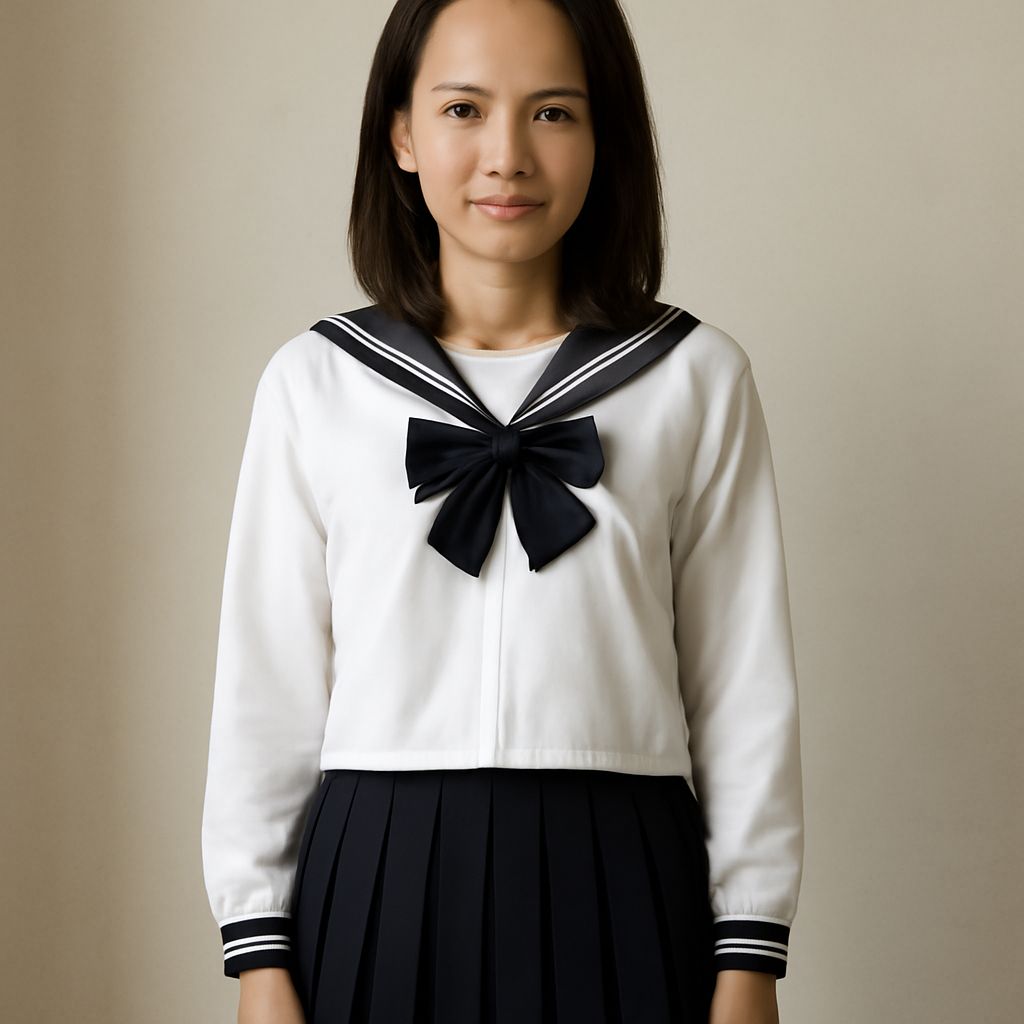
Japanese school uniforms are a distinctive feature of the educational landscape in Japan, merging cultural heritage and modern trends. These uniforms, known as “seifuku” in Japanese, hold great cultural significance and are cherished by many. From their historical roots to their evolution into the contemporary styles seen today, Japanese high school uniforms remain a symbol of both tradition and modernity. As we delve into the history of Japan school uniforms, it is important to acknowledge their impact on student life and their role in shaping cultural identity.
The history and evolution of Japanese school uniforms
The journey of Japanese school uniforms began in the late 19th century, influenced heavily by Western fashion. Initially introduced in military academies, the concept quickly spread to public schools, becoming an integral part of the educational system. The Japan school uniforms were designed to foster discipline and equality among students.
Throughout the decades, these uniforms have undergone significant transformations. In the early 20th century, girls wore sailor-style outfits, a style inspired by European naval uniforms. Meanwhile, boys donned militaristic stand-collar jackets, known as gakuran. As societal norms shifted, these designs evolved, reflecting the changing attitudes towards gender and education.
By the 1980s, the Japanese high school uniform had embraced a more modern look, incorporating blazers and ties. Today, Japanese school uniforms continue to evolve, embracing both global fashion trends and traditional elements, maintaining their status as cultural icons.
The design and components of Japanese high school uniform
The Japanese high school uniform is a carefully crafted blend of tradition and modernity. Common components include blazers, skirts for girls, and trousers for boys. Sailor suits remain popular in many schools, often featuring distinctive colors and emblems unique to each institution.
In addition to the primary garments, accessories such as neckties, ribbons, and socks play a crucial role in the overall aesthetic. These elements not only add to the uniformity but also allow for subtle personal expression within the boundaries of school regulations.
The materials used in Japan school uniforms are chosen for durability and comfort, addressing the practical needs of students’ daily activities. Designs are often tailored to reflect the seasons, with lighter fabrics for summer and thicker materials for winter, ensuring adaptability to Japan’s varied climate.
Cultural significance of Japanese school uniform in Japan
The Japanese school uniform holds deep cultural significance in Japan, symbolizing discipline, unity, and respect. This cultural icon is seen as a rite of passage for students, marking their transition through different stages of their education.
Beyond its practical use, the uniform serves as an equalizer, diminishing differences in socioeconomic status among students. It instills a sense of community and belonging, reinforcing the collective identity of the student body.
Moreover, the Japanese high school uniform is often celebrated in popular culture, depicted in anime, movies, and magazines, further cementing its place in Japanese society. It is a tangible representation of the nation’s values, connecting generations through shared experiences and memories.
Modern trends in Japan school uniforms
Modern trends in Japan school uniforms reflect a dynamic interplay between tradition and innovation. While many schools adhere to classic designs, others are embracing new styles that incorporate contemporary fashion elements.
Customization and personalization are increasingly popular, with students adding unique touches to their uniforms, such as colorful socks or creative badges. These modifications allow for self-expression within the constraints of school regulations, reflecting a shift towards individuality.
Technological advancements have also influenced the design of Japanese high school uniforms, with innovations such as temperature-regulating fabrics and eco-friendly materials gaining traction. These developments highlight the evolving nature of school attire, balancing functionality with fashion.
The impact of Japanese school uniforms high school on student life
The Japanese school uniforms high school experience significantly impacts student life, shaping both daily routines and long-term memories. Uniforms instill a sense of discipline and responsibility, preparing students for future professional environments.
Socially, Japanese school uniforms facilitate group identity, creating a shared sense of belonging among peers. They encourage camaraderie and reduce distractions, allowing students to focus on their studies and extracurricular activities.
While some critique the rigidity of uniform policies, many argue that the benefits outweigh the drawbacks. By fostering equality and unity, Japan school uniforms contribute positively to the educational experience, enhancing student engagement and school spirit.
Next steps
As Japanese school uniforms continue to evolve, it is crucial for educators and policymakers to balance tradition with innovation. Schools should consider student feedback and global trends when updating uniform policies, ensuring that they remain relevant and inclusive. By maintaining a dialogue with stakeholders, Japan can preserve the cultural significance of its school uniforms while adapting to the needs of future generations.