In the realm of fire safety, understanding the “pass fire extinguisher” method is essential for effective emergency management. This technique, combined with comprehensive fire safety pass knowledge, forms a fundamental aspect of maintaining safety in both residential and commercial environments. These skills are not just about possessing a fire extinguisher but knowing how and when to use it effectively.
Understanding the pass fire extinguisher method
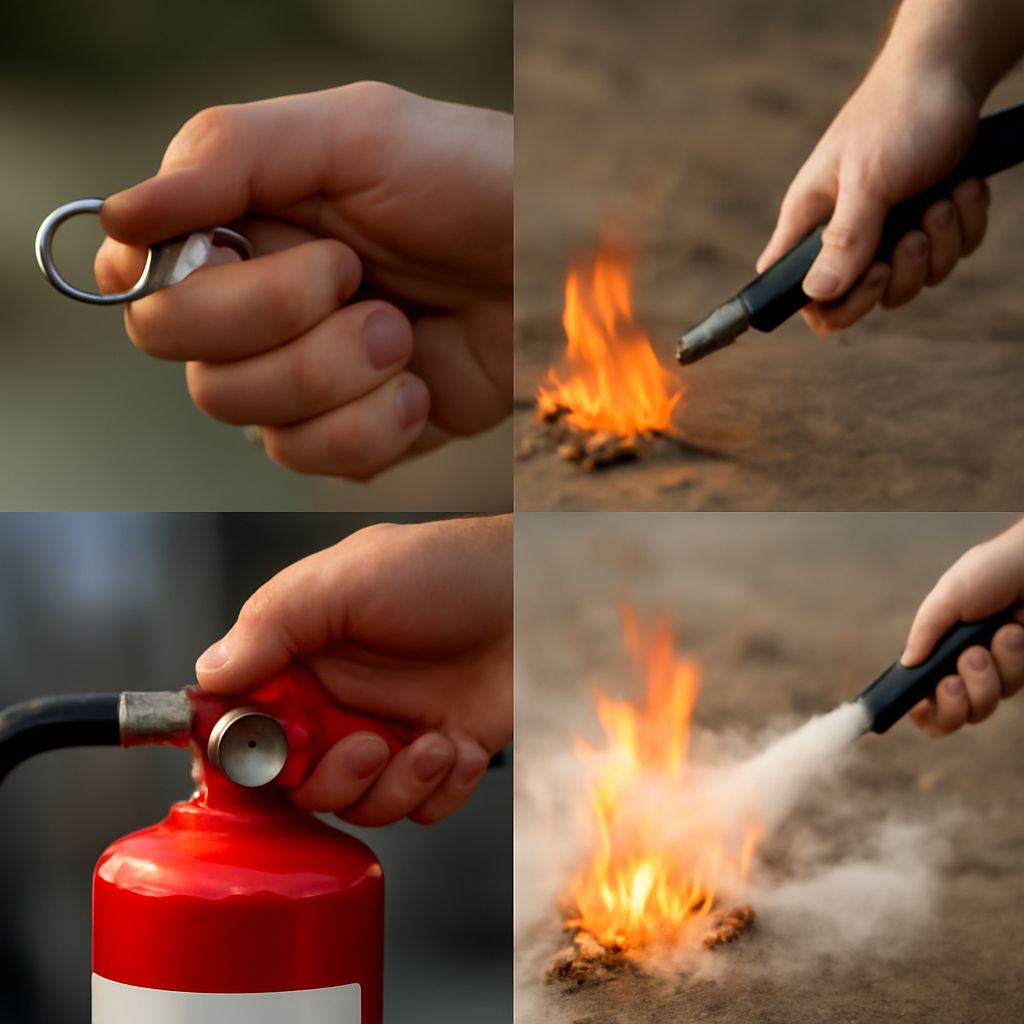
The “pass fire extinguisher” method is a simple yet effective way to remember the steps necessary to use a fire extinguisher properly. PASS stands for Pull, Aim, Squeeze, and Sweep. This acronym helps individuals recall the sequence of actions required to operate an extinguisher during a fire emergency.
Pull the pin to unlock the mechanism, aim the nozzle at the base of the fire, squeeze the handle to release the extinguishing agent, and sweep the nozzle from side to side to cover the area effectively. Each step of this method is crucial for ensuring the fire is tackled efficiently and safely.
Why fire safety pass knowledge is crucial
Fire safety pass knowledge is crucial because it empowers individuals to take immediate action during emergencies. Understanding these techniques reduces panic and increases the chances of effectively managing smaller fires before they escalate.
Employers and building managers often provide fire safety training that includes the fire safety pass principles. This training ensures that occupants are prepared to respond appropriately, minimizing potential damage and injury. Having a well-informed team can significantly improve the overall safety of any premises.
Steps to effectively use a pass fire extinguisher
To use a pass fire extinguisher effectively, begin by assessing the situation to ensure it is safe to approach the fire. Once you have determined it is safe, proceed with the PASS method:
- Pull the pin to break the tamper seal.
- Aim the extinguisher nozzle at the base of the fire.
- Squeeze the handle to discharge the extinguishing agent.
- Sweep the nozzle from side to side at the base of the fire until it is extinguished.
It is important to maintain a safe distance while approaching and to always keep a clear exit path behind you in case the fire grows uncontrollable.
Common mistakes to avoid with fire safety pass
Despite the simplicity of the pass fire extinguisher method, certain mistakes are common. Avoid these errors to ensure maximum effectiveness:
Firstly, do not aim at the flames. Always target the base of the fire. Secondly, ensure you squeeze the handle fully for a steady stream of the extinguishing agent. Partial pressure can result in inadequate coverage. Lastly, do not stand too close, as this might push the fire or cause personal injury.
Additionally, practice regularly to build confidence in using a fire extinguisher. Familiarity with the equipment can prevent hesitation during an actual emergency.
Maintaining your fire extinguisher for safety
Regular maintenance of fire extinguishers is vital for ensuring they function correctly when needed. Check the pressure gauge monthly to ensure it is within the operational range. Inspect the extinguisher for any physical damage or corrosion.
Annual professional inspections are recommended to certify that the extinguisher is in working order. Replace or refill any extinguisher that appears compromised or has been used.
Proper storage is also crucial. Keep extinguishers easily accessible and visible, mounted on walls or stored in designated areas without obstructions.
Next steps: To enhance fire safety readiness, conduct regular training sessions that incorporate the pass fire extinguisher techniques. Encourage all members of the household or organization to familiarize themselves with extinguisher locations and operation. Proactive practices and maintenance will contribute significantly to effective fire management and safety.