In managing certain respiratory conditions, understanding the role of a BiPAP machine becomes crucial. A BiPAP machine is a vital tool for those experiencing sleep apnea or other breathing difficulties. This medical device helps regulate airflow and ensures that users receive the necessary support to maintain optimal breathing patterns. To leverage its benefits, it is essential to grasp the various settings and safety measures involved.
Understanding what a BiPAP machine is
A BiPAP machine, or Bilevel Positive Airway Pressure machine, is a non-invasive ventilation device used primarily to aid individuals with obstructive sleep apnea, COPD, and other respiratory disorders. Unlike a CPAP machine, which provides continuous air pressure, a BiPAP delivers two levels of pressure: one for inhalation and a lower one for exhalation. This dual pressure system makes it easier for individuals to breathe comfortably, particularly those with higher pressure needs.
The primary function of the BiPAP machine is to ensure that the airway remains open by providing a steady flow of air through a mask. This helps prevent the collapse of the airway, thereby alleviating symptoms such as snoring and interrupted sleep patterns.
How does a BiPAP machine work?
The working mechanism of a BiPAP machine involves the use of a motorized fan that draws ambient air and pressurizes it to deliver the required airflow. This air is then directed through a hose and mask into the user’s airway. The machine is equipped with sensors to detect the user’s breathing cycle and adjust the air pressure accordingly, providing higher pressure during inhalation and lower pressure during exhalation.
Key components of the machine include the motor, hose, mask, humidifier, and control settings. Together, these components work synergistically to deliver therapeutic benefits by maintaining open airways and supporting natural breathing patterns for users who need them.
Common BiPAP machine settings
Understanding the settings on a BiPAP machine is vital for achieving effective results. The main settings include the inspiratory positive airway pressure (IPAP) and expiratory positive airway pressure (EPAP). IPAP assists with inhalation by providing a higher pressure to keep the airway open, while EPAP facilitates easier exhalation with a lower pressure setting.
Additional settings may include the breath rate, which ensures the machine provides a set number of breaths per minute if the user’s breathing slows or stops. The rise time setting adjusts the time taken for the machine to reach the prescribed IPAP level, allowing for customization based on comfort and need.
Safety considerations for BiPAP machine users
Safety is paramount when using a BiPAP machine. Regular cleaning of the mask, hose, and humidifier is essential to prevent infections. Users should also ensure that they are familiar with the machine’s operation, including manually adjusting settings and checking for alarms that indicate malfunctions.
It is important to have a healthcare provider regularly review the settings to ensure they remain appropriate for the user’s changing needs. Additionally, users should be aware of any contraindications, such as severe cardiac or respiratory conditions, that might require alternative treatment options.
Choosing the right BiPAP machine for your needs
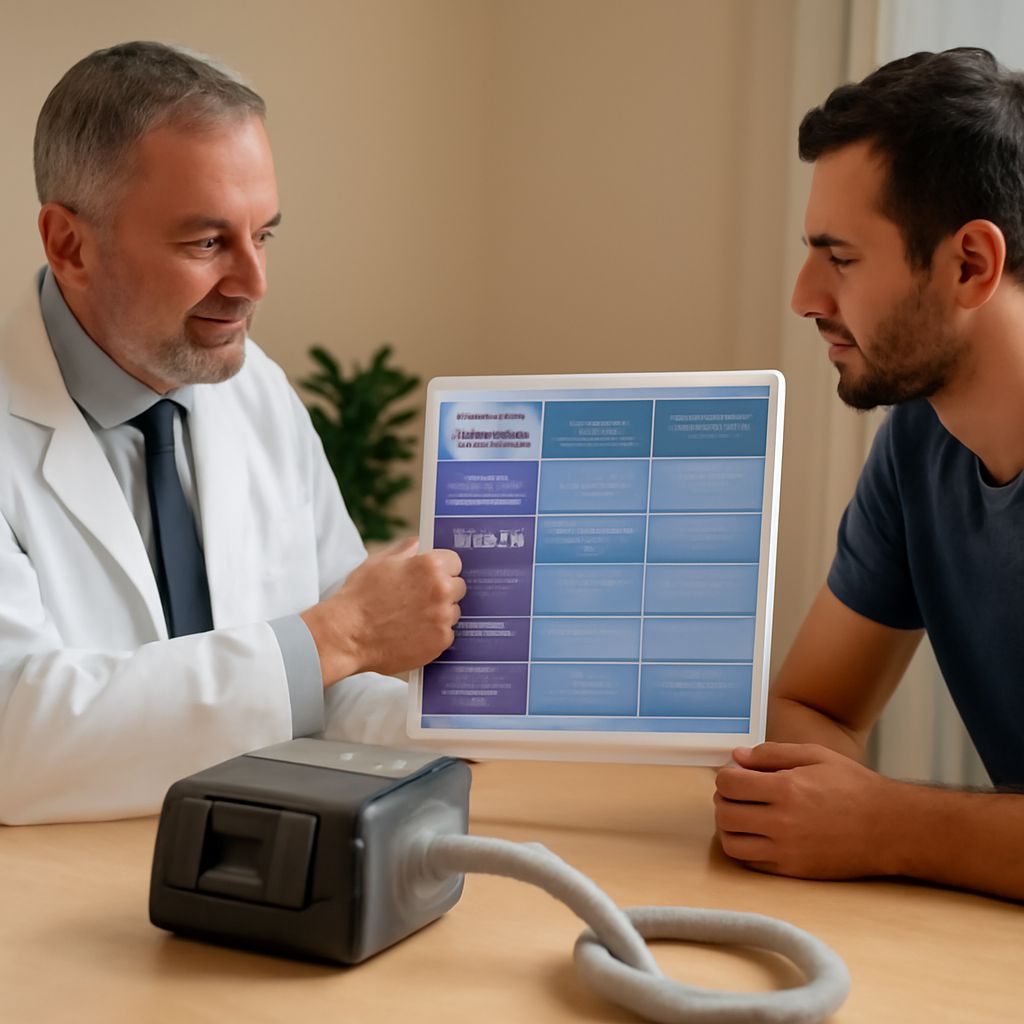
Selecting an appropriate BiPAP machine involves considering several factors such as the user’s specific medical condition, ease of use, and additional features like portability and noise level. Consulting with a healthcare professional can help determine the best model and settings for individual needs.
Moreover, it is advisable to test different masks for comfort and fit, as a well-fitted mask enhances the effectiveness of the therapy. Evaluating additional features such as built-in humidifiers or advanced data tracking can also influence the user experience and overall compliance with therapy.