Understanding the difference between GFI and GFCI is essential for anyone concerned with home safety. Both devices play a critical role in preventing electrical shock and reducing the risk of electrical fires. As technology and building codes have evolved, knowing whether you need a GFI or GFCI device has become increasingly important for homeowners, electricians, and safety-conscious consumers. Proper electrical GFI protection ensures households remain secure against ground faults and unsafe wiring conditions.
This article will clarify the confusion surrounding GFI vs GFCI. It will outline their functions, key differences, practical applications, and provide actionable safety tips. With a focus on reliable information, the content is designed to support safe installation, use, and maintenance of ground fault protection devices.
What does GFI vs GFCI mean?
GFI stands for Ground Fault Interrupter, while GFCI stands for Ground Fault Circuit Interrupter. Both terms refer to devices that detect ground faults—unexpected paths between electrical current and the ground, which can cause electric shock. The terminology is often used interchangeably, which leads to confusion about their meaning and application.
Historically, the term GFI was used when these protection devices first emerged. Over time, the industry standard shifted toward GFCI, especially as the National Electrical Code (NEC) adopted GFCI as the official term for devices designed to protect against ground faults. Understanding whether you need a GFI or GFCI device starts with recognizing that the main purpose of both is to enhance electrical safety by cutting power when a fault is detected.
While GFI and GFCI are closely related, terminology may vary by manufacturer or region. Some product packaging still mentions electrical GFI protection, especially in older homes or legacy installations. Regardless of the acronym, both devices must meet the same performance standards for home safety.
Because these devices are essential for protecting people from electrical hazards, homeowners should become familiar with both terms and their intended applications. Awareness of the difference and correct usage of GFI and GFCI helps prevent misunderstandings during installation or maintenance.
The difference between GFI and GFCI explained
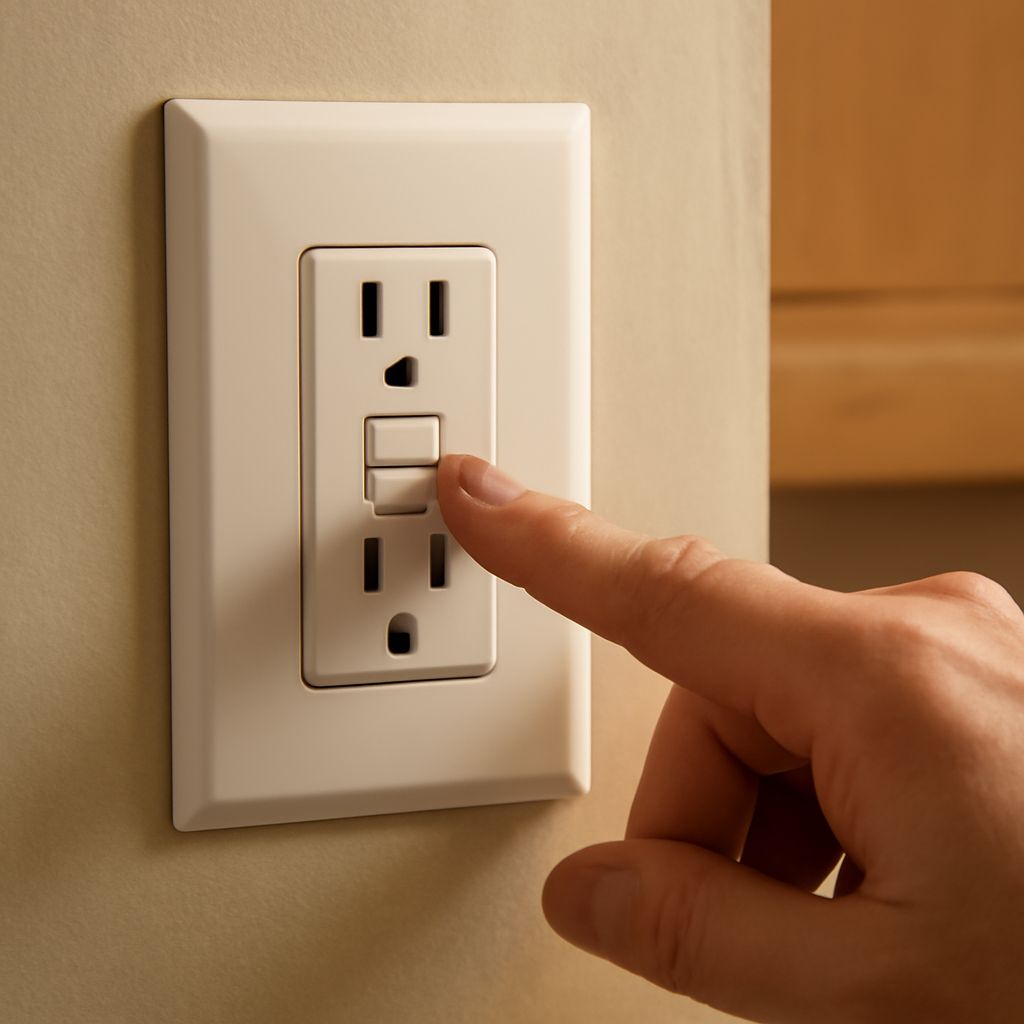
Although the difference between GFI and GFCI may appear minor, it has practical implications. A GFCI most commonly refers to the outlet or receptacle found in kitchens, bathrooms, basements, and other locations where electrical outlets are prone to moisture. These outlets feature built-in sensors and test/reset buttons, providing a convenient method for monitoring and resetting protection at the point of use.
On the other hand, the term GFI is sometimes applied to earlier versions of ground fault interrupters or circuit breakers found in the main electrical panel. These breakers protect entire circuits rather than individual outlets. In modern practice, a GFCI device refers to both outlet-based and breaker-based solutions, but some electricians and product manuals still differentiate between the two by using the terms GFI (for breaker) and GFCI (for receptacle).
Manufacturers and regulatory agencies clarify that the core function of both GFI and GFCI protection is identical: promptly disconnecting power if a ground fault is detected. However, knowing the difference between GFI and GFCI helps homeowners choose the correct product for their needs, whether it’s upgrading an old system or planning new construction that meets the latest codes. Both electrical GFI protection and GFCI devices are subject to testing and certification, ensuring their reliability in critical areas of the home.
When evaluating protection options, consumers may encounter paraphrased terms like ground fault protection, residual current device (RCD), or safety shut-off outlets—all referencing the same underlying technology. A thorough understanding of these distinctions promotes better decision-making and safer electrical environments.
When should you use a GFI or GFCI?
Determining when to use a GFI or GFCI device depends on several factors, including room type, building codes, and the level of moisture exposure. The National Electrical Code mandates GFCI protection in bathrooms, kitchens, laundry rooms, garages, basements, outdoor areas, and any location where water and electricity may come into contact. This requirement applies to both new installations and many renovation projects, making it a critical consideration for homeowners and contractors alike.
In practice, most modern homes will feature GFCI outlets in high-risk areas, while older homes may rely on panel-based GFI breakers for circuit-wide protection. Homeowners should assess their current setup and consider upgrading legacy devices to modern GFCI outlets or breakers, especially if outlets are located near sinks, bathtubs, or outdoor fixtures. Proper ground fault interrupter installation is a proactive step to ensure electrical GFI protection and bring properties up to code.
Even if the difference between GFI and GFCI seems negligible, both devices serve as essential safeguards against electrical shock and fire hazards. For specialized needs, such as protection for pool pumps or spa circuits, dedicated GFCI breakers may be required to meet enhanced safety standards. Consulting a licensed electrician helps ensure that the correct devices are installed in all required locations.
It is crucial for property owners to perform regular maintenance and testing of all ground fault protection devices. Most GFCI outlets and breakers feature a test button, which should be pressed monthly to confirm proper operation. Prompt replacement of any faulty or non-responsive devices is vital for maintaining a safe home environment.
Electrical GFI safety tips for homeowners
Homeowners play a key role in maximizing the effectiveness of GFI and GFCI protection. Start by identifying all outlets and circuits protected by ground fault interrupters. Clearly label these outlets, and educate household members about their purpose. Consistent labeling helps avoid confusion during emergencies and routine maintenance.
Testing electrical GFI protection devices is an important routine. Every GFI or GFCI outlet and breaker has a test button; pressing this button should immediately cut power to the connected circuit. If the device fails to trip or reset, replace it promptly. Many electrical fires and shocks result from neglected or malfunctioning ground fault devices, so timely action is crucial.
When installing new outlets or replacing older ones, always choose devices certified by reputable testing agencies, such as UL or ETL. Proper installation to manufacturer instructions and local code requirements is essential. For complex upgrades or unfamiliar wiring setups, hiring a professional electrician is the safest approach. This ensures all ground fault protection devices are installed and functioning correctly.
Finally, avoid using extension cords or power strips in wet areas, even if the supply outlet is GFCI-protected. Ground fault interrupters are designed for stationary outlets and may not provide complete protection if cords or plugs are damaged. Regular visual inspections and maintenance further reduce risks and help maintain a safe household electrical system.
Frequently asked questions about GFI vs GFCI
Are GFI and GFCI the same thing? Generally, both terms refer to devices that protect against ground faults, although GFCI is the modern standard. The difference between GFI and GFCI mainly relates to terminology and the type of device (outlet vs. breaker).
How do I know if my outlet has electrical GFI protection? Look for outlets with “test” and “reset” buttons. These are GFCI-protected. Some older installations may have circuit breakers labeled as GFI in the electrical panel.
Why is proper ground fault interrupter installation important? Safe installation and regular testing of GFI or GFCI devices minimize the risk of electric shock and comply with current safety codes. Devices should be checked monthly for optimal performance.
What should I do if my GFCI outlet keeps tripping? Frequent tripping may indicate a ground fault, moisture problem, or device failure. Consult a licensed electrician to inspect and resolve the issue. Do not ignore repeated trips, as this may signal a potentially dangerous electrical problem.
Pro tips recap: Consistently test all ground fault devices, promptly replace any faulty GFI or GFCI outlets, and prioritize certified products for electrical safety. Understanding when and where to install these devices, along with regular maintenance, is vital for preventing electrical accidents and ensuring lasting home protection.